
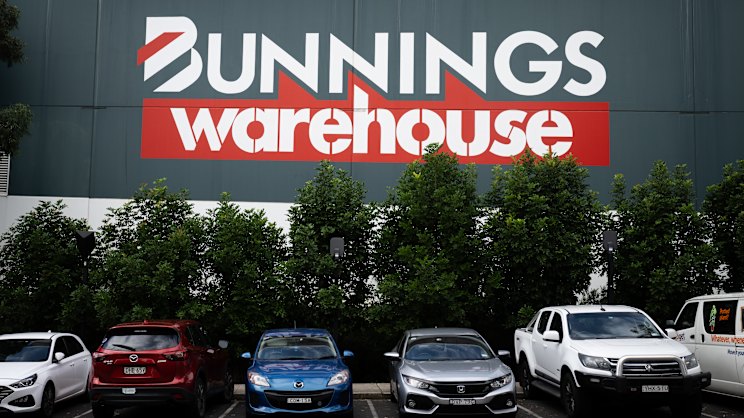
350 Australian technology roles will be affected as Bunnings shifts part of its technology operations to India and the Philippines under a new agreement with Tata Consultancy Services. The restructure involves approximately 230 permanent redundancies and the termination of 120 contractor engagements, with the transition beginning in December 2026. The Wesfarmers-owned hardware retailer says the changes will reduce technology delivery costs while supporting greater investment in artificial intelligence, customer experiences and innovation. Around 500 technology employees will remain in Australia, and in-store staff are not affected.
The Latest Economic Data
Bunnings announced the workforce changes on 17 November 2026, confirming a partnership with Mumbai-headquartered Tata Consultancy Services, commonly known as TCS.
The headline figure of 350 affected positions comprises two different employment categories: approximately 230 permanent technology employees whose roles will become redundant, and 120 contractors whose engagements will end. It does not mean 350 permanent employees are being made redundant.
The transition is scheduled to run from December 2026 through June 2027, with the replacement operating model expected to be fully operational by July 2027. Affected employees are expected to remain in their roles through Christmas, with job losses beginning in the new year.
Bunnings will retain approximately 500 members of its technology team in Australia. TCS will provide additional services through teams operating in Australia, India and the Philippines.
These are workforce restructuring figures rather than a national employment report. The supplied announcements contain no previous comparable Bunnings redundancy figure or financial forecast against which to measure the change.
What Is Driving the Change
Bunnings identifies three objectives behind its new technology operating model: cost, capability and capacity. Its leadership says changing shopping habits, growing competition and the speed of technological development require a different approach to delivering digital services.
Chief information officer Genevie Elliott explained the decision to employees during a virtual meeting. She said the technology function had been strengthened over the previous two years through changes to its structure, working practices and project priorities.
The latest decision builds on that work rather than reversing it, according to Elliott. Bunnings wants a delivery model that can respond more quickly to customer expectations while changing how technology resources are allocated.
Artificial intelligence is another part of the retailer's strategy. Bunnings has invested in an AI-powered shopping assistant called Buddy, supported by Google's Gemini Enterprise technology. The retailer has been identified as the first Australian retailer to introduce an AI shopping agent using Google's Gemini platform.
However, the announcement does not establish that AI directly replaced any particular employee. The confirmed change is a combination of outsourcing, workforce restructuring and continued investment in digital customer services.
The company says the arrangement should reduce technology delivery costs and allow additional investment in customer experiences, innovation and growth. It has not disclosed a specific savings target for the Bunnings restructure in the supplied reports.
Why It Matters
For affected Australian technology workers, the consequences are immediate and personal. Permanent employees face redundancy, while contractors face the conclusion of existing engagements. The transition timetable means the effects will extend into 2027 rather than occurring in a single round of departures.
Bunnings managing director Mike Schneider says employees will receive support including redundancy packages, career transition assistance, wellbeing services and redeployment opportunities wherever possible.
The company has also made clear that in-store employees are not affected. Its restructuring is focused on the technology division supporting the wider retail business.

For customers, the intended benefit is improved digital service and continued investment in shopping technology. Whether those investments deliver measurable improvements has not been established by the announcement.
The decision also follows a similar move elsewhere within Wesfarmers. Officeworks announced plans in May to offshore hundreds of Australian roles to India and the Philippines as part of a $15 million cost-saving restructure.
That comparison matters because it shows outsourcing is not confined to one Wesfarmers retail business. Both decisions involve changing where technology work is delivered, although the reported $15 million savings figure relates to Officeworks, not Bunnings.
What It Could Mean for Policy
The Bunnings decision illustrates a workforce issue facing Australian businesses investing in new digital systems: how to balance technology spending, local employment and outsourced service delivery.
It also demonstrates why the distinction between automation and offshoring matters. Bunnings is expanding its use of AI-powered customer tools while separately transferring technology services to an international provider. The available information does not quantify how much of the restructuring is attributable to automation.
No new government policy, regulatory intervention or central-bank response has been announced in connection with the decision in the supplied reporting.
Any wider implications for Australian employment policy would therefore be a matter for future consideration, not an announced outcome of the Bunnings agreement.
What to Watch Next
The first milestone is the start of the transition in December 2026. Employees facing redundancy are expected to remain through Christmas, with departures beginning in the new year.
Attention will then turn to how many affected permanent employees secure redeployment, how the contractor arrangements conclude and whether the handover proceeds according to schedule.
The transition is due to finish in June 2027, followed by the new technology model becoming fully operational in July.
Further details about actual cost savings, employee redeployment outcomes and customer-service improvements would provide a clearer measure of whether the restructuring achieves its stated objectives.
For the original reporting, see ABC News coverage of the employee announcement and Nine's report on the transition timetable.
Frequently Asked Questions
How many jobs is Bunnings cutting?
Approximately 350 Australian technology positions are affected, comprising 230 permanent redundancies and 120 contractor engagements that will end.
Why is Bunnings cutting technology jobs?
Bunnings says the restructure will reduce technology delivery costs, expand access to technology capabilities and support investment in customer experiences and innovation.
Where are Bunnings technology jobs moving?
Some technology services will be delivered by Tata Consultancy Services teams in India and the Philippines, alongside teams based in Australia.
Are Bunnings store workers losing their jobs?
No. Bunnings says the announced cuts affect its technology division, not employees working in stores.
When will the Bunnings redundancies happen?
The transition starts in December 2026, with affected employees remaining through Christmas and job losses beginning in 2027. The new operating model is scheduled for July 2027.
Is Bunnings replacing workers with artificial intelligence?
Bunnings is investing in AI-powered shopping services, including Buddy, while outsourcing technology operations. The company has not disclosed how many roles, if any, are directly replaced by AI.