133.9 points disappeared from the S&P/ASX 200 in the opening minutes of trade this morning, carving a 1.5 per cent dent into local share portfolios. The sharp drop to an intraday low of 8931.2 followed an overnight rout in New York where technology giants led an aggressive global retreat. For everyday Australians watching their superannuation and investment accounts, the volatility delivers a sudden reminder of how tightly tied domestic wealth remains to international market shifts.
What Changed
The Australian sharemarket experienced a sudden reversal just 24 hours after an $80 billion relief rally lifted the benchmark index to 9065.1. Seven of the eleven market sectors opened in the red, with technology and mining shares taking the brunt of the immediate selloff. By late morning, the benchmark trimmed its earlier drop to trade down 0.8 per cent as domestic buyers began rotating capital into defensive holdings including commercial banks, Telstra, and major supermarket chains.
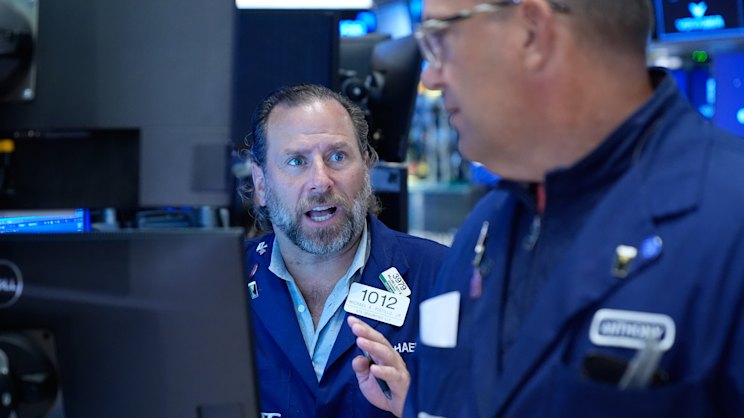
The catalyst originated overseas, where the tech-heavy NASDAQ plunged 6.3 per cent and the broader S&P 500 sank 4.3 per cent in a single trading session. Algorithmic software accelerated the downward momentum across global desks. In Asia, South Korea's KOSPI tumbled 9 per cent to trigger an emergency trading halt, while Japan's Nikkei slipped under the 60,000 mark as semiconductor manufacturers took heavy hits.
Everything exposed to future AI growth is a bloodbath today. Anything touching silicon is getting creamed.
Who Is Affected
Working Australians and self-funded retirees hold the largest stake in these market swings. Australia's superannuation pool manages roughly $4.5 trillion in retirement assets, with approximately 20 per cent of those funds directly exposed to Wall Street equity markets. When overseas tech benchmarks retreat, the ripple effect reaches balanced and growth super options within days.
Direct equity investors are also navigating contrasting sector performance. While local technology names like WiseTech and Xero pulled back from previous double-digit rallies, banking shares showed resilience despite David Jones collapsing into administration and National Australia Bank reporting an annual profit drop of 9 per cent to $6.1 billion. Retail property owners Scentre and Vicinity faced modest pressure, down 0.4 per cent and 0.3 per cent respectively.
What It Means for Your Money
Sharp index swings often look alarming on a banking app, but paper losses do not automatically translate into realized setbacks unless an investor sells during the dip. For long-term superannuation members who are decades from retirement, routine market corrections provide fund managers with opportunities to accumulate quality holdings at lower valuations.
For older Australians transitioning into pension phase, extended volatility requires closer monitoring of drawdowns. In parallel, capital seeking shelter pushed safe-haven assets higher: gold rebounded above $US4,100 an ounce, while sovereign debt rallied, bringing the US 10-year Treasury yield down to 4.84 per cent. Meanwhile, benchmark crude oil tumbled by 8 per cent to slip below $US95 a barrel, offering potential medium-term relief for household transport costs.
The Wider Economic Context
Global markets spent the week adjusting to major political shifts following the United States midterm elections, where Democrats secured control of both chambers of Congress. Market participants initially celebrated the result, anticipating clearer regulatory parameters, before abruptly pricing in stricter scrutiny, planning moratoriums, and potential delays for power-heavy artificial intelligence data centres.
The chip rout is the 'blue trade' doing the damage. Markets are treating a Democratic Congress as a brake on the AI build-out, but [US President Donald] Trump still has his veto, so this is largely a sentiment shock rather than a change in fundamentals.
The sudden reassessment caused Wall Street's benchmark volatility indicator, the VIX index, to jump 70 per cent to 28 points, signaling heightened nervousness across institutional dealing rooms. While resource heavyweights BHP, Rio Tinto, and Fortescue helped anchor the ASX following earlier multi-percent gains, the broader economic mood remains sensitive to international corporate spending projections.
Important Dates and Next Steps
Investors and super fund members should watch key indicators over the coming weeks:
- Next trading sessions: Fund managers are monitoring whether Wall Street stabilizes or tests lower support levels as automated trading flows clear out.
- Quarterly superannuation statements: Check fund asset allocations across domestic shares, global equities, and cash to ensure risk profiles align with personal retirement horizons.
- Energy and fuel price lags: Watch for wholesale crude declines below $US95 to filter through to domestic bowsers over the regular two-week retail cycle.
- Policy and regulatory hearings: Track legislative agendas in Washington regarding technology infrastructure permits and trade policies.
Frequently Asked Questions
- Why did the ASX 200 fall this morning?
- The local market dropped following an overnight selloff on Wall Street, where the NASDAQ fell 6.3 per cent due to regulatory concerns surrounding artificial intelligence data centre expansions. The ASX 200 fell as much as 133.9 points before recovering some ground on defensive buying.
- How does an international share selloff affect Australian superannuation?
- Australian super funds hold roughly $4.5 trillion in total assets, with about 20 per cent invested directly in US financial markets. Major swings on Wall Street directly impact the daily unit pricing of balanced and high-growth superannuation options.
- Which sectors on the ASX were hit hardest?
- Technology and mining companies led the initial decline, with seven of eleven market sectors starting the day in negative territory. In contrast, defensive blue chips like commercial banks and major supermarket retailers attracted support to help steady the index.
- Are oil prices and gold moving in the same direction as shares?
- No, commodities diverged during the selloff. Crude oil fell 8 per cent below $US95 a barrel on political expectations, while safe-haven demand pushed spot gold back above $US4,100 an ounce.