
RBA Hikes Cash Rate to 4.6% as Inflation Pressure Mounts
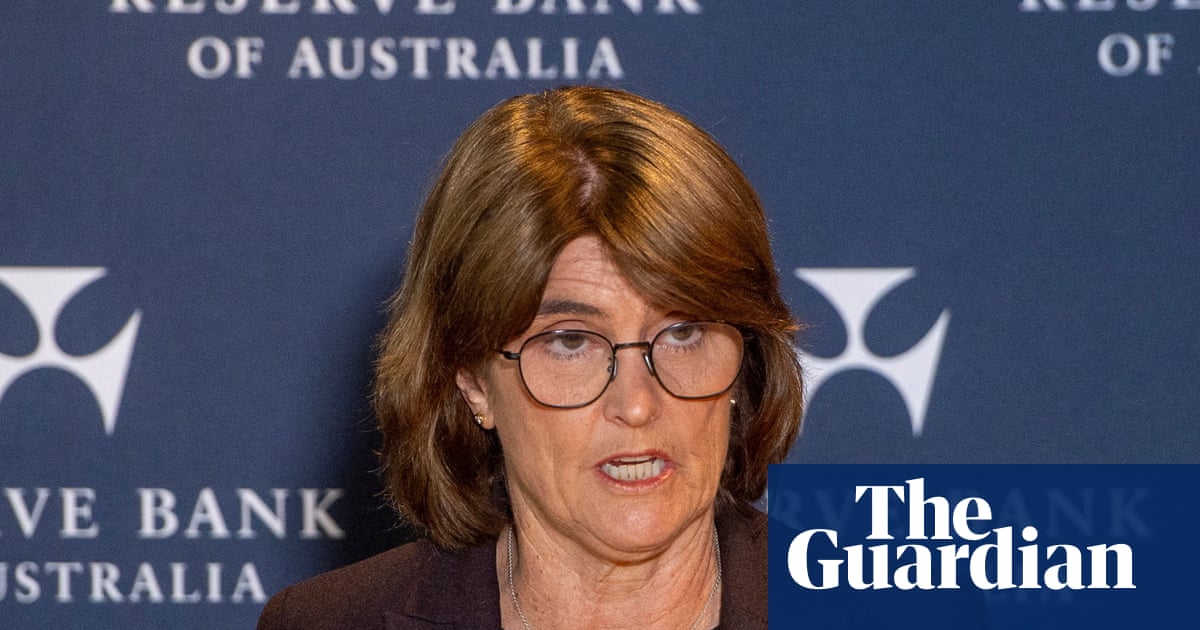
Australia's official cash rate has climbed to 4.6 per cent following a unanimous decision by the Reserve Bank of Australia board, marking the highest level seen in the country since 2011. RBA Governor Michele Bullock acknowledged the heavy burden the adjustment places on households, noting that high inflation continues to erode the purchasing power of everyday Australians.
Why This Is Trending
The Reserve Bank's decision to increase the cash rate by 0.25 percentage points for the fourth time this year has sent immediate shockwaves through the financial sector and residential property market. With headline inflation sitting at 3.5 per cent and underlying core inflation remaining stubborn, the central bank acted to cool an overheated economy where demand continues to outpace domestic capacity.
What Happened
All nine members of the RBA monetary policy board voted in favor of lifting the benchmark target to 4.6 per cent. Financial institutions moved quickly to pass on the changes, with Macquarie Bank announcing it would increase its variable home loan reference rates by 0.25 per cent per annum effective from October 15. The adjustment adds more than $90 a month to repayments on a typical $600,000 mortgage with 25 years remaining, compounding earlier pressures from rising fuel and living costs.
What We Know So Far
Global factors have played a major role in driving up price pressures, according to central bank statements. The prolonged conflict in the Middle East has disrupted global oil supplies and pushed energy and transport expenses higher. Additionally, global demand fueled by the artificial intelligence boom has driven rapid growth in prices for technology-related goods and data center construction materials.
Treasurer Jim Chalmers stated that Australian workers are paying a heavy price for international conflicts that have turbocharged inflation worldwide. Meanwhile, opposition figures criticized government spending levels, arguing that fiscal policy is counteracting monetary efforts to stabilize prices.
Why It Matters
The ongoing tightening of financial conditions directly affects millions of Australians balancing mortgages, rental agreements, and savings accounts. While individuals with high-interest savings accounts benefit from improved returns, borrowers face a constrained housing market where property values have fallen for five consecutive months. Economists warn that persistent price pressures could prompt further monetary tightening before the end of the year.
What Happens Next
The RBA board has left the door open for additional interest rate increases if inflation fails to track sustainably back toward the 2 to 3 per cent target band. Market watchers will closely monitor upcoming quarterly consumer price index reports and employment figures to gauge whether economic growth is slowing sufficiently to ease domestic capacity constraints.
Frequently Asked Questions
What is the current official cash rate in Australia?
The Reserve Bank of Australia cash rate target is 4.60 per cent following a 25 basis point increase.
How does the rate hike affect my mortgage?
Lenders are passing on the increase to variable home loan rates, adding roughly $90 a month to repayments on a typical $600,000 mortgage.
Why did the RBA decide to raise interest rates again?
The central bank acted to combat persistent inflation running at 3.5 per cent, driven by domestic demand, higher global energy costs, and AI-related supply chain pressures.
Will there be more rate hikes this year?
The RBA board stated it remains prepared to lift interest rates further if necessary to ensure inflation returns to its target range.

Resources
Sources and references cited in this article.