
Four people were taken to hospital after lightning struck a campsite at the Strawberry Fields music festival in Tocumwal, near the NSW–Victoria border. One festivalgoer described being thrown to the ground, experiencing ringing ears and losing strength in his left hand. The incident occurred as severe thunderstorms swept across northern Victoria, producing more than 250,000 lightning strikes overnight. All four patients have since been discharged from hospital, while organisers have resumed the festival after repeatedly suspending performances for safety.
The Current Event
The sold-out, three-day Strawberry Fields festival began on Friday on the banks of the Murray River at Tocumwal. What should have been an evening of music turned into a medical emergency when lightning struck a gazebo at a campsite.
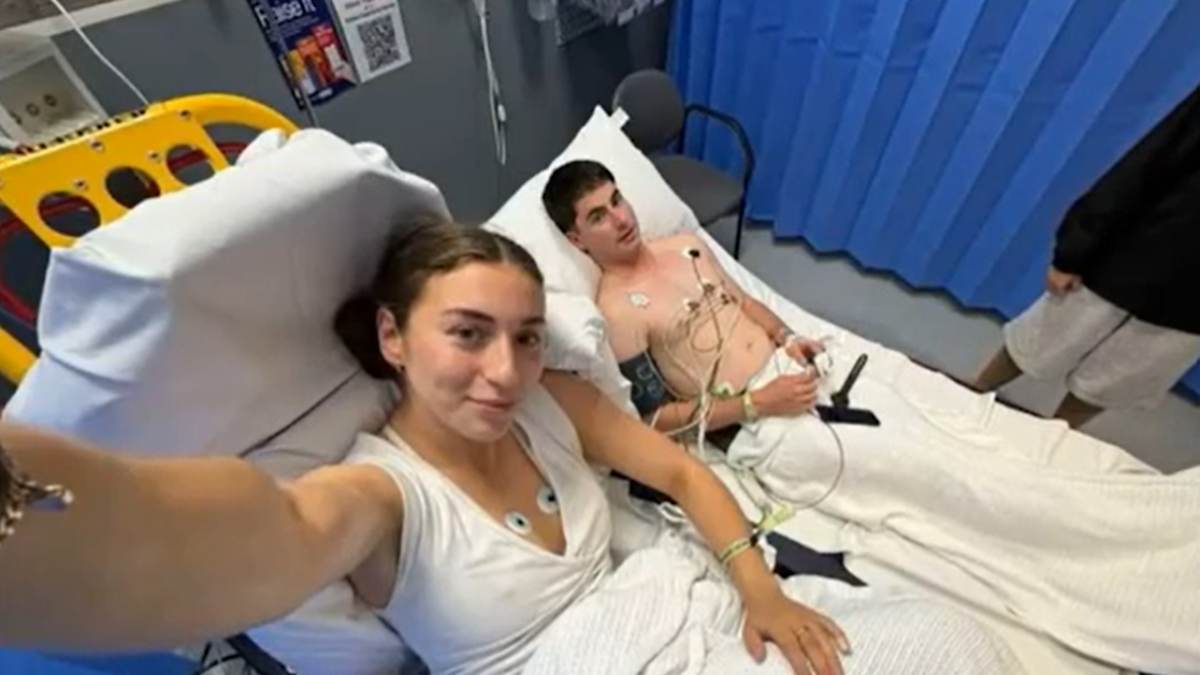
Harry Gordon, Caitlin Thomas and Taylah Henderson had just finished setting up their campsite when the strike occurred. Gordon described the immediate physical effects to 9News.
Then I just got flung to the ground, like someone threw me to the ground, my ears were ringing
Gordon also reported pins and needles in his left arm for approximately an hour, followed by numbness and reduced grip strength in his left hand for two hours.
Two men were transported to Shepparton Hospital in Victoria, while a 23-year-old man and a 23-year-old woman received treatment at Deniliquin Health Service in NSW. One of the men taken to Shepparton, Seb Young, was airlifted to hospital, while his friend travelled by road.
Health authorities subsequently confirmed that all four patients had been discharged. Festival organisers described their injuries as non-life-threatening and confirmed that affected families had been contacted.
Music performances were suspended several times between Friday afternoon and early Saturday morning as attendees sought shelter. Despite extensive rainwater across the festival grounds, organisers announced that normal programming would resume on Saturday.
Is Climate Change a Factor?
The thunderstorms were part of a broader severe-weather episode affecting northern Victoria and areas immediately across the NSW border. Heavy rainfall, lightning and localised flash flooding accompanied the storm system.
Neither the ABC nor Nine reports cited a climate-attribution study examining this particular event. Consequently, the available evidence does not establish whether human-caused climate change influenced the storm's intensity, frequency or lightning activity.
Weather-event attribution requires more than documenting an unusually intense thunderstorm. Researchers must assess how the likelihood or severity of comparable conditions differs between the present climate and a climate without human influence. No such assessment was provided for the Tocumwal incident.
For festivalgoers, the immediate danger was clear regardless of the storm's longer-term climatic context: lightning reached an occupied campsite while severe weather was affecting a large outdoor gathering.
How Conditions Have Changed
The scale of the overnight lightning activity was striking. According to Nine's weather coverage, more than 250,000 lightning strikes were recorded across Victoria overnight.
The Bureau of Meteorology characterised the conditions as particularly intense. Storms developed first in western Victoria before moving north, with humid conditions giving way to torrential rainfall.
Mount Buffalo and Chestnut, in north-eastern Victoria, recorded rainfall totals of 79 millimetres. Emergency services responded to 28 requests for assistance overnight, including three flooding incidents, 18 fallen-tree reports and six damaged buildings.
Those figures demonstrate the geographical reach of the weather system. They do not, however, establish a historical record or show that thunderstorms in the region have become more severe over time.
The supplied reporting contains no comparable long-term lightning or rainfall dataset. A reliable assessment of changing conditions would require historical observations covering similar locations, seasons and weather events.
Who Is Most Exposed
The Strawberry Fields incident illustrates the exposure faced by people attending outdoor events during thunderstorms. The affected festivalgoers were at a campsite when lightning struck their gazebo, demonstrating how quickly an apparently ordinary camping arrangement can become dangerous.
Festival organisers faced a broader challenge because the event occupied an outdoor site beside the Murray River. Heavy rainfall left parts of the grounds inundated, while lightning forced repeated interruptions to performances.
Beyond Tocumwal, communities across northern and north-eastern Victoria experienced the storm through intense rainfall, fallen trees, damaged buildings and localised flooding. The emergency-service figures show that the consequences extended well beyond the music festival.
The four hospitalisations also demonstrate why lightning incidents require medical assessment even when injuries are initially described as non-life-threatening. In this case, all four patients were discharged after receiving care.
Adaptation and Future Risk
Strawberry Fields organisers activated their severe-weather plan, suspended performances and coordinated with medical teams and emergency services. Those measures formed the immediate response to conditions affecting the festival site.
According to ABC News, organisers committed to monitoring conditions alongside relevant agencies as the event continued.
The incident demonstrates the practical value of weather monitoring, clearly communicated performance suspensions and rapid medical access at large outdoor gatherings. These are measures directly connected to the problems encountered at Tocumwal.
Further thunderstorms were forecast for Victoria, with the next system expected to bring additional lightning, damaging winds and potentially large hail. Emergency advice emphasised preparation and attention to official warnings.
Although organisers reported that the worst conditions at Strawberry Fields had passed, the broader forecast showed why the improvement at one location did not eliminate weather risks elsewhere in the state.
Frequently Asked Questions
How many people were struck by lightning at Strawberry Fields?
Four festivalgoers were struck during severe thunderstorms at the Tocumwal event. Two were treated at Shepparton Hospital in Victoria and two at Deniliquin Health Service in NSW.
Were the Strawberry Fields lightning victims seriously injured?
Festival organisers described all four injuries as non-life-threatening. Health authorities confirmed that all four people had subsequently been discharged from hospital.
Where did the Strawberry Fields lightning strike happen?
The incident occurred at the Strawberry Fields music festival in Tocumwal, NSW, beside the Murray River near the Victorian border. Witnesses described lightning striking a gazebo at a campsite.
Did Strawberry Fields festival get cancelled after the storm?
No. Organisers temporarily suspended music performances several times because of dangerous conditions, then announced that normal programming would resume on Saturday.
How many lightning strikes occurred across Victoria?
Nine reported more than 250,000 lightning strikes across Victoria overnight. The thunderstorms also brought heavy rainfall, flash flooding and reports of fallen trees and damaged buildings.
Was climate change responsible for the Strawberry Fields storm?
The supplied reports do not contain research attributing this specific thunderstorm to climate change. The reported lightning and rainfall figures describe the event's severity but cannot independently establish its climatic cause.