
Last updated: 17 November 2026, 13:30 UTC
Five years and one month in prison. That is the sentence confronting Iranian filmmaker Jafar Panahi, whose latest legal troubles have prompted an unusually forceful intervention from the Cannes Film Festival. The festival has condemned what it calls his judicial persecution and urged international action to prevent his imprisonment. For a director who won Cannes' highest honour in 2025, the dispute has become a confrontation over artistic freedom and the consequences of returning to Iran.
What Sparked the Controversy
The immediate trigger was news in mid-October that Panahi had received another prison sentence after returning to Iran following an international awards campaign.
According to reporting by Deadline on the legal proceedings, his lawyer Mostafa Nili said Branch 26 of the Tehran Revolutionary Court imposed a five-year sentence, alongside restrictions on travel and social media activity and an order concerning his possessions and assets.
Reports describe the overall prison term as five years and one month. The distinction between that total and the five-year sentence described by Nili has not been fully explained in the supplied accounts.
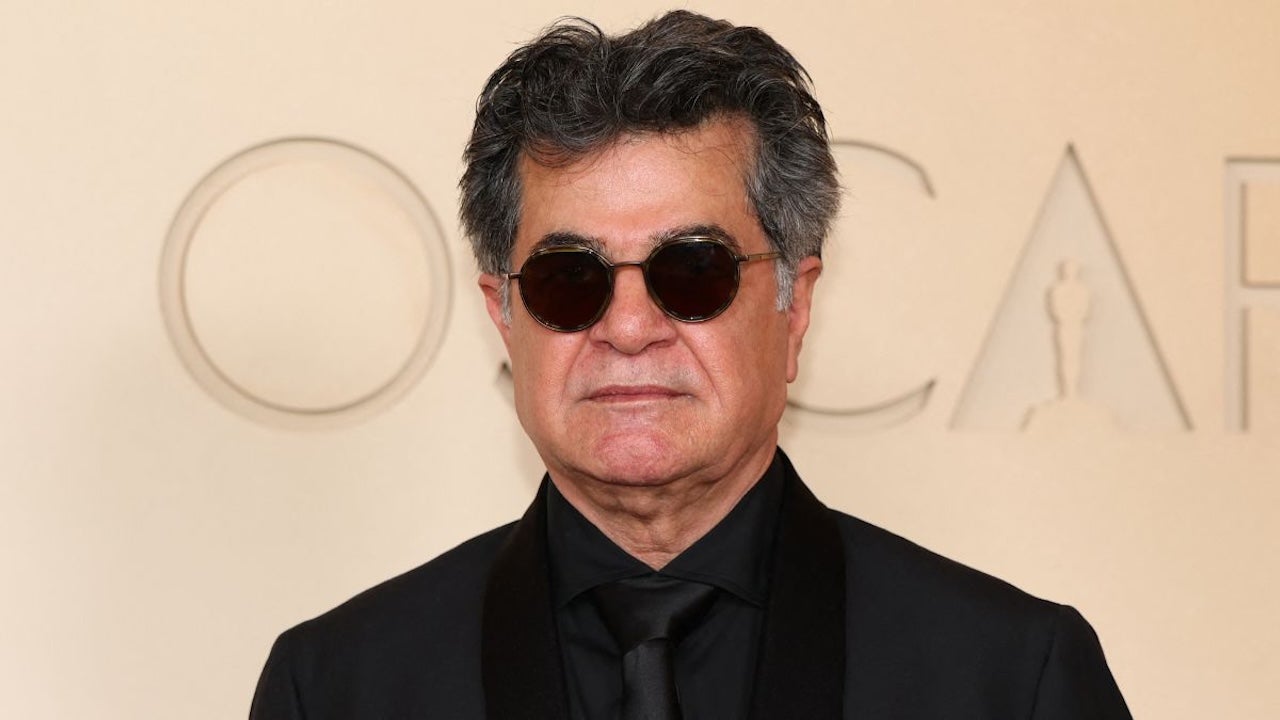
Panahi had returned home after the Academy Awards ceremony on 15 March 2026, where his film It Was Just an Accident had been nominated. Despite previous imprisonment and continuing legal pressure, he had publicly committed to returning to Iran.
The festival's intervention followed approximately three weeks after the latest sentencing news emerged.
What Is Confirmed
Panahi faces three open legal cases in Iran, according to Nili. The lawyer also reported discovering a conviction in absentia during a visit with Panahi to the Sentence Enforcement Unit of the Culture and Media Prosecutor's Office.
Nili said his client had not been officially summoned for hearings despite being present in the country.
The reported sanctions include:
- A prison term reported as five years and one month.
- A two-year restriction on social media activity.
- A two-year travel ban.
- An order for confiscation of possessions and assets.
These developments follow a separate one-year prison sentence and two-year travel restriction imposed in 2025 over allegations of propaganda activities against the Iranian system.

His history with Iranian authorities stretches back considerably further. A six-year sentence originally imposed in 2010 was reactivated following his arrest in July 2022. He spent seven months in Evin prison before being released in February 2023 after a hunger strike.
The filmmaker's connection with Cannes is equally longstanding. His debut The White Balloon won the Caméra d'Or in 1995, while Crimson Gold received an Un Certain Regard Jury Prize in 2003. 3 Faces won Best Screenplay in 2018.
In 2025, It Was Just an Accident secured the Palme d'Or, the festival's top prize, after Panahi was permitted to attend Cannes for the first time in 15 years.
What Each Side Has Said
The Cannes Film Festival has made its position explicit, calling for the removal of restrictions preventing Panahi from travelling, making films and expressing himself freely.
The Festival de Cannes strongly condemns the judicial persecution of Jafar Panahi and calls for the lifting of all restrictions that prevent him from traveling, creating, and expressing himself freely.
The festival also appealed to cultural organisations and the international community to oppose his imprisonment. Its statement connected Panahi's case to the broader rights of artists rather than treating it solely as a dispute involving an award-winning director.
Panahi's own actions have been consistent with his stated intention to remain connected to his country. He returned after completing his awards commitments despite the political situation and potential consequences for his freedom.
His lawyer, Mostafa Nili, has provided the most specific publicly reported account of the court proceedings, including the sentencing details and the existence of additional cases.
The supplied reports do not include a direct response from Iranian judicial authorities to the festival's latest condemnation. Their reasoning beyond the reported legal allegations therefore cannot be independently detailed from these accounts.
What Is Still Unclear
Several consequential questions remain unanswered. The reports do not establish when Panahi might be required to begin serving the latest sentence or provide a complete procedural timetable for his three cases.
They also do not explain the precise difference between the five-year sentence described by his lawyer and the reported total of five years and one month.
The status of any appeal against the latest judgment is not specified. Nor do the accounts establish whether the confiscation order has already been executed.
These gaps matter because a court sentence, its enforcement and any subsequent legal challenge are separate developments. Treating them as interchangeable would misrepresent Panahi's current position.
What Happens Next
Cannes is seeking international pressure to prevent the filmmaker's imprisonment and remove restrictions on his professional and personal freedom.
Attention now turns to the enforcement of the reported sentences, the progress of the three legal proceedings and any further statements from Panahi's legal representatives or Iranian authorities.
The case also carries significance for film audiences beyond Iran. Panahi's career demonstrates how a director can receive international recognition while facing restrictions on filmmaking, travel and public expression at home.
For Australian film audiences following international cinema and the Cannes awards, the immediate question is whether the director behind the 2025 Palme d'Or winner will retain the freedom to continue working.
Frequently Asked Questions
Why has Cannes condemned Iran over Jafar Panahi?
Cannes has condemned legal sanctions against the Iranian filmmaker, including a reported prison sentence of five years and one month. The festival is calling for restrictions on his travel, filmmaking and expression to be lifted.
What is Jafar Panahi's latest prison sentence?
Reports describe a sentence totalling five years and one month. His lawyer Mostafa Nili has separately described a five-year sentence imposed by Branch 26 of the Tehran Revolutionary Court.
Has Jafar Panahi returned to Iran?
Yes. Panahi returned following the Academy Awards ceremony on 15 March 2026 and, according to the supplied reporting, has not subsequently left Iran.
Which film won Jafar Panahi the Palme d'Or?
It Was Just an Accident won the Palme d'Or at Cannes in 2025. The film was subsequently nominated for the Academy Award for Best International Feature Film as France's entry.
Has Jafar Panahi been imprisoned before?
Yes. He was arrested in July 2022 and spent seven months in Evin prison before his release in February 2023 following a hunger strike. His earlier legal restrictions included a six-year sentence originally imposed in 2010.
When will Jafar Panahi's new sentence be enforced?
The supplied reports do not specify an enforcement date. His lawyer has reported three open legal cases, but no complete timetable for their resolution has been provided.