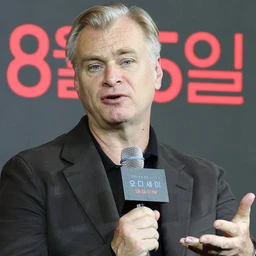
Australian actor Zoe Terakes was among the performers helping to bring transgender representation into mainstream cinema just three years ago. Now, a dramatic decline in transgender characters across American television and film is raising questions about whether Hollywood is retreating from that progress. A new GLAAD study found just seven transgender television characters in the 2025–26 season, down from 33 the previous year. Behind those figures, established actors describe disappearing auditions, lost income and growing uncertainty about their careers.
The Biggest Moment
The clearest evidence of the industry's retreat comes from GLAAD's latest Where We Are on TV report, which examined scripted broadcast, cable and streaming programming between 1 June 2025 and 31 May 2026.
Researchers identified seven transgender characters among 369 LGBTQ+ characters, representing a 79% fall from the previous season's 33 transgender characters. The seven comprised six women and one man.
More strikingly, none of those seven characters is scheduled to return in the following television season. Three appeared in cancelled or concluding programmes, while four belonged to limited series.
The findings suggest a problem extending beyond individual casting decisions: transgender characters are disappearing from the continuing programmes that allow audiences to follow their stories over several seasons.
Key Results and Highlights
The research documents a broader contraction in LGBTQ+ representation, although transgender characters experienced a particularly steep decline.
- 369 LGBTQ+ television characters were recorded, down from 489 in the preceding season, a 25% reduction.
- Seven transgender characters appeared, compared with 33 previously and a record 42 in the 2021–22 season.
- 141 LGBTQ+ characters, or 38% of the total, will not return because of factors including programme endings, cancellations and character departures.
- 44% of LGBTQ+ characters were people of colour, down from 51%, reaching an eight-year low.
- Zero transgender characters appeared in the 225 films examined across 10 major distributors in GLAAD's separate film study.
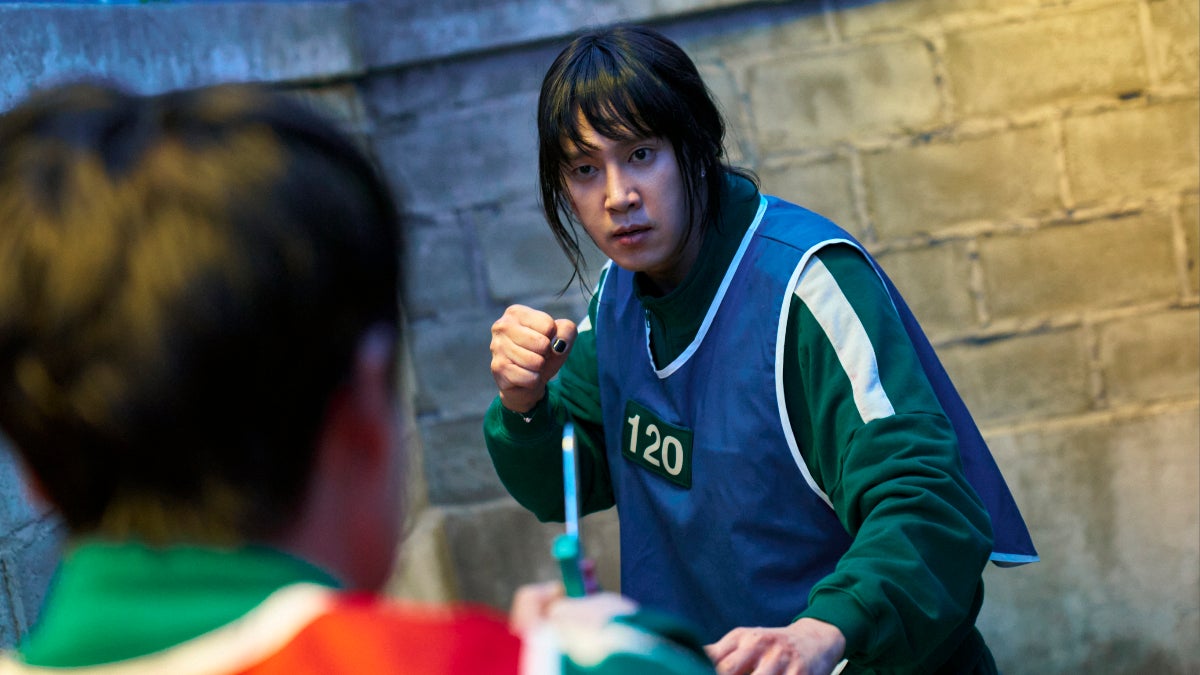
According to TheWrap's coverage of the findings, the programmes containing those seven characters included The Family Law, Community Squad, Squid Game, The Dead Girls, Monster: The Ed Gein Story, Unspeakable Sins and Wayward.
The figures describe characters rather than the total number of transgender actors employed. Nevertheless, they reveal how few substantial opportunities remain visible in major television programming.
What Happened on Stage
The consequences are evident in the experiences of performers who previously appeared to have established successful careers.
Trace Lysette received an Independent Spirit Award nomination for her leading performance in Monica and appeared alongside Patricia Clarkson in publicity for the film. She also secured work on the Quantum Leap revival. Yet she subsequently experienced a prolonged shortage of offers.
Lysette estimates that she auditioned for approximately seven roles during 2026 and had received no auditions since late spring. She also disclosed losing her SAG-AFTRA health insurance two years earlier.
Actor Jack Haven publicly sought paid production work to qualify for union health insurance, requesting employment worth $4,000. Haven subsequently reported receiving numerous offers following the appeal.
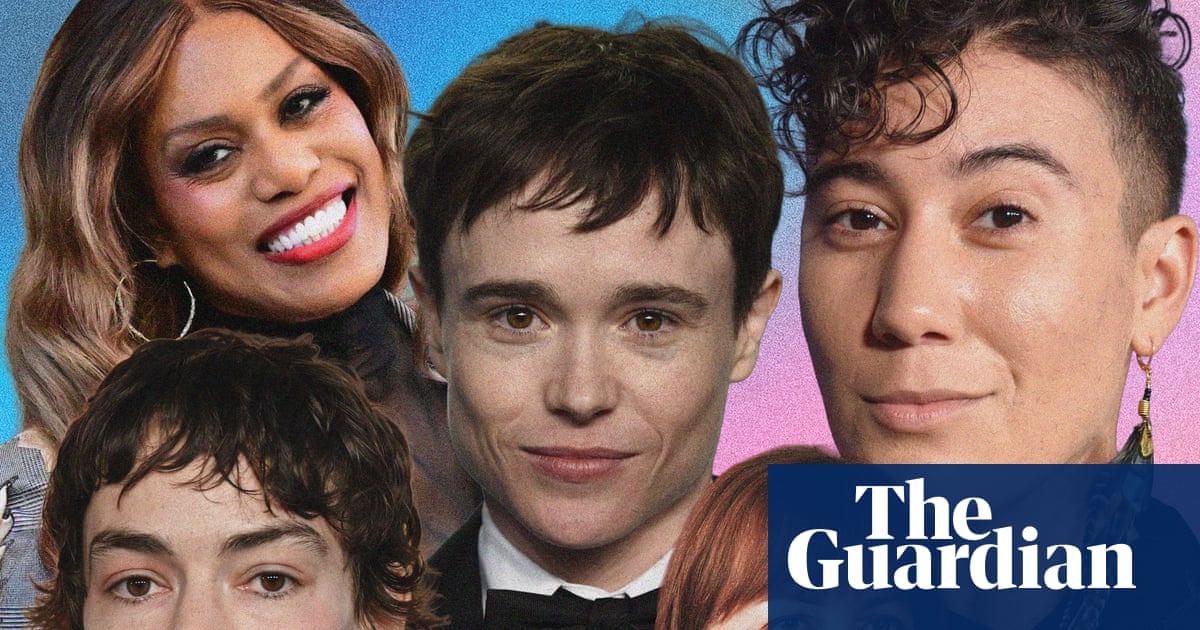
Other established performers have described similar difficulties. Laverne Cox reported losing approximately 90% of her income over two years, while Elliot Page acknowledged having no next project arranged despite appearing in Christopher Nolan's The Odyssey.
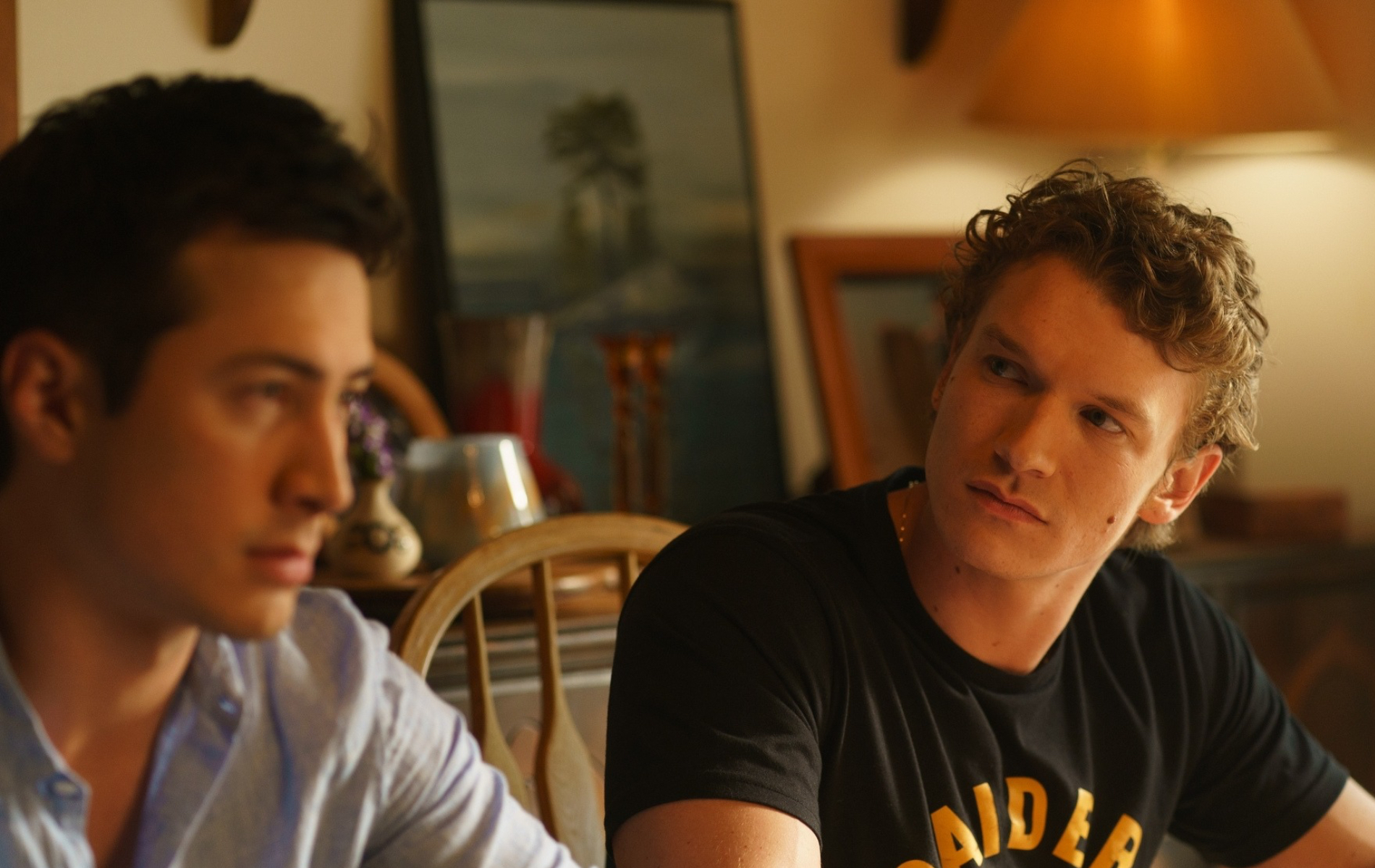
For Australian audiences, Terakes provides a particularly relevant comparison. Their supporting role in the Australian horror film Talk to Me demonstrated how a transgender performer could portray a character whose gender identity was not the focus of the storyline.
Audience and Industry Reaction
The reduction in representation contrasts with evidence of substantial audience demand for LGBTQ+ programming.
Heated Rivalry became HBO Max's most-watched acquired scripted series, reaching a reported peak of 52 times average demand. Netflix's The Hunting Wives doubled its viewership during its second week and secured renewals for additional seasons.
These successes do not establish demand for every type of LGBTQ+ story, but they challenge the assumption that inclusive programming necessarily discourages viewers.
GLAAD research director Megan Townsend also highlighted younger American audiences: 23% of Americans under 30 identify as LGBTQ+, according to Gallup figures cited in the reporting.
Industry representatives have linked declining opportunities to political hostility towards transgender people, alongside reduced television production following the streaming contraction and the 2023 Hollywood strikes. The available figures do not establish how much each factor contributed.
As PinkNews reported, GLAAD president Sarah Kate Ellis argued that reducing LGBTQ+ stories while audience demand grows represents a poor commercial decision.
What This Means Next
There are still examples of transgender performers securing prominent work. Josie Totah appears in Amazon's Carrie series, while Hunter Schafer is set to lead its Blade Runner television production. Independent projects and voice acting are also providing alternative opportunities for performers such as Vico Ortiz.
However, isolated productions do not reverse the decline documented across the preceding television season.
For Australian filmmakers and audiences, the contrast between Terakes' earlier mainstream breakthrough and the current Hollywood figures highlights an industry question: whether performers can continue obtaining varied roles without their gender identity determining which characters they are permitted to portray.
The next meaningful measure will be whether new productions introduce transgender characters with continuing roles, rather than relying on short-lived appearances. The distinction matters for sustained employment as much as for representation on screen.
Frequently Asked Questions
How many transgender characters were on TV in 2025–26?
GLAAD counted seven transgender characters across scripted broadcast, cable and streaming television, compared with 33 the previous season.
Why are transgender characters disappearing from television?
Industry participants cite political backlash, fewer commissioned programmes and reduced casting opportunities. The research does not quantify each factor's contribution.
Will any of the seven transgender characters return next season?
No. All seven appeared in programmes that were cancelled, concluded or produced as limited series.
Which Australian actor appeared in Talk to Me?
Australian actor Zoe Terakes played Haley in the horror film Talk to Me, a role that did not explicitly centre the character's gender identity.
Are LGBTQ+ television characters declining overall?
Yes. GLAAD recorded 369 LGBTQ+ characters in 2025–26, down 25% from 489 in the preceding season.
Are there successful LGBTQ+ television shows?
Yes. Heated Rivalry became HBO Max's most-watched acquired scripted series, while The Hunting Wives doubled its viewership in its second week.