
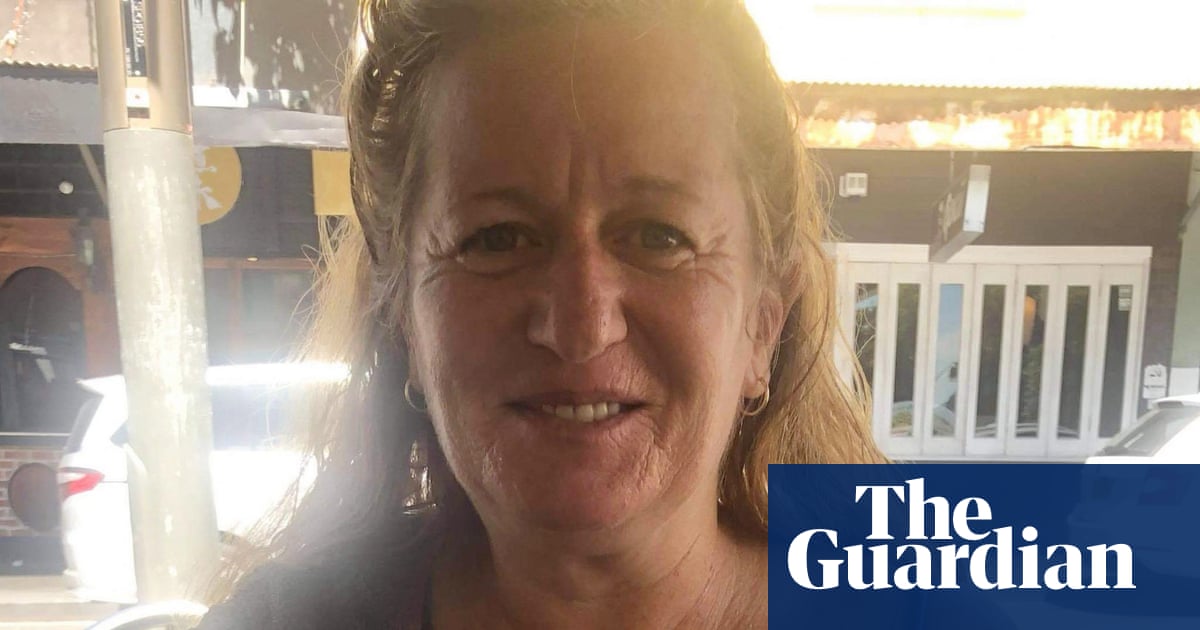
An Aboriginal mother of five died in a New South Wales prison after drinking at least 20 litres of water, despite being subject to a monitoring plan requiring checks every 30 minutes. State coroner Teresa O'Sullivan has found that Tammy Michelle Shipley's death was preventable and exposed serious failures across police, courts, prison supervision and mental health care. The 47-year-old died at Silverwater Women's Correctional Centre on 20 December 2022, just 11 days after being taken into custody over shoplifting offences. The findings have prompted 10 recommendations aimed at preventing similar deaths.
What the Investigation or Allegation Is About
The coronial inquest examined how a woman with a documented history of serious mental illness remained in custody without adequate psychiatric assessment, supervision or timely emergency treatment.
Shipley lived with schizoaffective disorder, a mental health condition involving symptoms associated with both psychosis and mood disturbance. She had been taking her prescribed medication inconsistently before her arrest.
According to ABC News' account of the inquest, police had previously encountered Shipley during mental health crises and directed her to hospital. Those incidents were recorded in the NSW Police Force's Computerised Operational Policing System, known as COPS.
When officers arrested her over shoplifting goods worth approximately $23, they did not consult that history. The subsequent custody documentation incorrectly indicated that she had no mental illness.
The inquest examined how those omissions affected later decisions about bail, detention and clinical care.
What Has Been Established
O'Sullivan determined that Shipley died from hyponatraemia, a dangerously low concentration of sodium in the blood, following excessive water consumption associated with complications of her psychiatric condition.
Prison surveillance footage showed her repeatedly drinking substantial quantities of water over several days. Staff failed to identify the behaviour and intervene.
Following two self-harm attempts, Shipley's risk management plan required physical observations every 30 minutes and electronic monitoring. The coroner found those requirements were not properly followed.
Broken blinds permanently obscured the cell door, while officers described surveillance monitors as too small to provide a clear view.
Shipley was never assessed by a psychiatrist or mental health nurse during her 11 days in custody. The coroner considered this unsatisfactory and identified psychiatric intervention as another opportunity to prevent her death.
On her final day, Shipley began vomiting after 10am, experienced seizures shortly before noon and was subsequently observed lying face down in her cell. Resuscitation did not begin until 23 minutes after she was first seen on the floor.
The coroner found that delay unacceptable. She also criticised an officer who closed Shipley's cell after detecting faeces rather than ensuring she received appropriate assistance.
A further administrative failure emerged after her death. As reported by The Canberra Times, Shipley was convicted in her absence of outstanding shoplifting charges and fined $1,000 weeks after she died because the court had not been informed of her death.
Who Is Involved
Teresa O'Sullivan, the NSW state coroner, conducted the inquest and delivered findings identifying failures across multiple public institutions.
NSW Police held records of Shipley's earlier mental health crises but failed to bring that information into the arrest and court processes.
Corrective Services NSW was responsible for supervising Shipley inside Silverwater Women's Correctional Centre, including implementing her observation plan.
Justice Health was among the agencies addressed in the coroner's recommendations concerning health care and institutional procedures.
The court system also featured prominently. When Shipley appeared at Campbelltown Local Court, inaccurate records suggested she was on bail for other matters when bail had actually been refused. The coroner found the magistrate had sought to secure her release without receiving the information needed to consider alternative options.
Shipley's mother, Vicki Shipley, and brother, Joel Moseley, welcomed the findings. Her family attended the inquest and supported the public presentation of distressing surveillance evidence to expose the conditions in which she died.
What Is Still Unresolved
Although the coroner established that Shipley's death was preventable, one question could not be conclusively answered: whether the conditions of her confinement contributed directly to the excessive drinking behaviour.
Shipley was housed in the Mum Shirl Unit, intended to provide a therapeutic environment. O'Sullivan described its conditions as austere and depressing and expressed grave concern about its suitability.
The unit is named after Aboriginal prisoner welfare advocate Mum Shirl. The coroner found that its physical environment did not support the welfare observations and human interaction recommended for Shipley.
The findings also leave an institutional accountability question: how comprehensively the agencies involved will implement the recommendations. Corrective Services NSW has acknowledged the death and said it will carefully consider the findings.
The supplied reporting does not identify disciplinary penalties against individual officers arising from the inquest.
What Happens Next
O'Sullivan has issued 10 recommendations directed at NSW Police, Corrective Services NSW and Justice Health.
They include checking police records for existing mental health information, reconciling police and court records, reviewing conditions inside the Mum Shirl Unit, improving surveillance monitoring and maintaining equipment needed for welfare observations.
The coroner acknowledged that Silverwater had already introduced changes following Shipley's death. However, the findings establish further measures for the relevant agencies to consider.
For Australian families and mental health advocates, the case illustrates how failures at separate stages of the justice system can compound. In Shipley's case, information missed during arrest affected court proceedings, while inadequate supervision and delayed medical intervention removed further opportunities to protect her life.
Vicki Shipley has urged the NSW government to implement the recommendations quickly, warning that other families could experience similar tragedies without meaningful change.
The full findings and recommendations are detailed in The Guardian's reporting on the inquest.
Frequently Asked Questions
Who was Tammy Shipley?
Tammy Michelle Shipley was a 47-year-old Aboriginal mother of five who died at Silverwater Women's Correctional Centre in NSW. She had schizoaffective disorder and was being held on remand following shoplifting charges.
How did Tammy Shipley die in prison?
The coroner found she died after consuming at least 20 litres of water, causing dangerously low blood sodium levels. Her excessive drinking was associated with complications of her psychiatric condition.
Why did the coroner say her death was preventable?
Required half-hourly welfare checks were not properly conducted, and Shipley did not receive appropriate psychiatric assessment. The inquest also identified delays in medical intervention and failures to share relevant mental health information.
What is the Mum Shirl Unit at Silverwater?
It is a specialist unit intended to provide a therapeutic environment for women in custody. The NSW coroner criticised its conditions and recommended a review of its environment and monitoring arrangements.
What recommendations were made after Tammy Shipley's death?
The coroner made 10 recommendations covering police mental health record checks, court record accuracy, prison observation procedures and the conditions of the Mum Shirl Unit. They were directed at NSW Police, Corrective Services NSW and Justice Health.
Has Corrective Services NSW responded to the findings?
A Corrective Services NSW spokeswoman expressed sympathy to Shipley's family and said the organisation would carefully consider the findings. The coroner also acknowledged that changes had already been made at the prison following her death.