Australians relying on government assessments could soon face automated systems operating without public scrutiny or mandatory safeguards. Legal experts and parliamentary crossbenchers have warned the Albanese government that its expanding use of artificial intelligence in public administration risks repeating the catastrophic failures of the unlawful debt recovery scheme. The scrutiny intensified following findings that algorithmic tools are already altering support allocations for vulnerable citizens without clear avenues for appeal.
What the New Law or Rule Does
The proposed legislative reforms target automated decision-making (ADM) systems deployed across Commonwealth departments. A report published by the Centre for Public Integrity titled 'Computer Says No' outlines 8 binding recommendations to establish mandatory transparency, regular compliance audits, and a searchable public register listing every algorithmic tool used to assess public entitlements. A parallel private member's bill introduced by independent MP Kate Chaney seeks to establish the first legislated statutory framework to constrain how federal agencies automate decisions that determine citizen benefits.
Under the proposed oversight measures, an independent regulatory body would receive statutory powers to monitor, audit, and investigate administrative software deployed by the Australian Public Service. The framework aims to enforce human review protocols and ban policies that prevent frontline civil servants from correcting algorithmic outputs when errors occur.
Who It Affects
The regulatory push directly affects public service agencies and Australians navigating federal welfare and care programs. Vulnerable older Australians currently seeking home assistance face direct impacts under the integrated assessment tool (IAT), an algorithmic instrument deployed to evaluate care entitlements. Under existing administrative guidelines, frontline aged care assessors have been barred by the government from overriding algorithmic calculations even when the tool under-assesses an individual's physical needs.

The rules would also constrain administrative teams across the public sector who rely on automated software to screen submissions and determine eligibility thresholds. Public servants would face mandatory documentation standards before deploying automated models on members of the public.
Why It Was Passed
Calls for binding legislation follow mounting evidence that Commonwealth agencies continue to deploy automated software without adequate oversight. An October report by the Commonwealth Ombudsman revealed that transparency recommendations delivered by the Royal Commission into the Robodebt Scheme were disregarded during the construction and rollout of the integrated assessment tool. The Royal Commission previously exposed how computer averaging miscalculated Centrelink obligations, generating unlawful debts and devastating thousands of families across Australia.
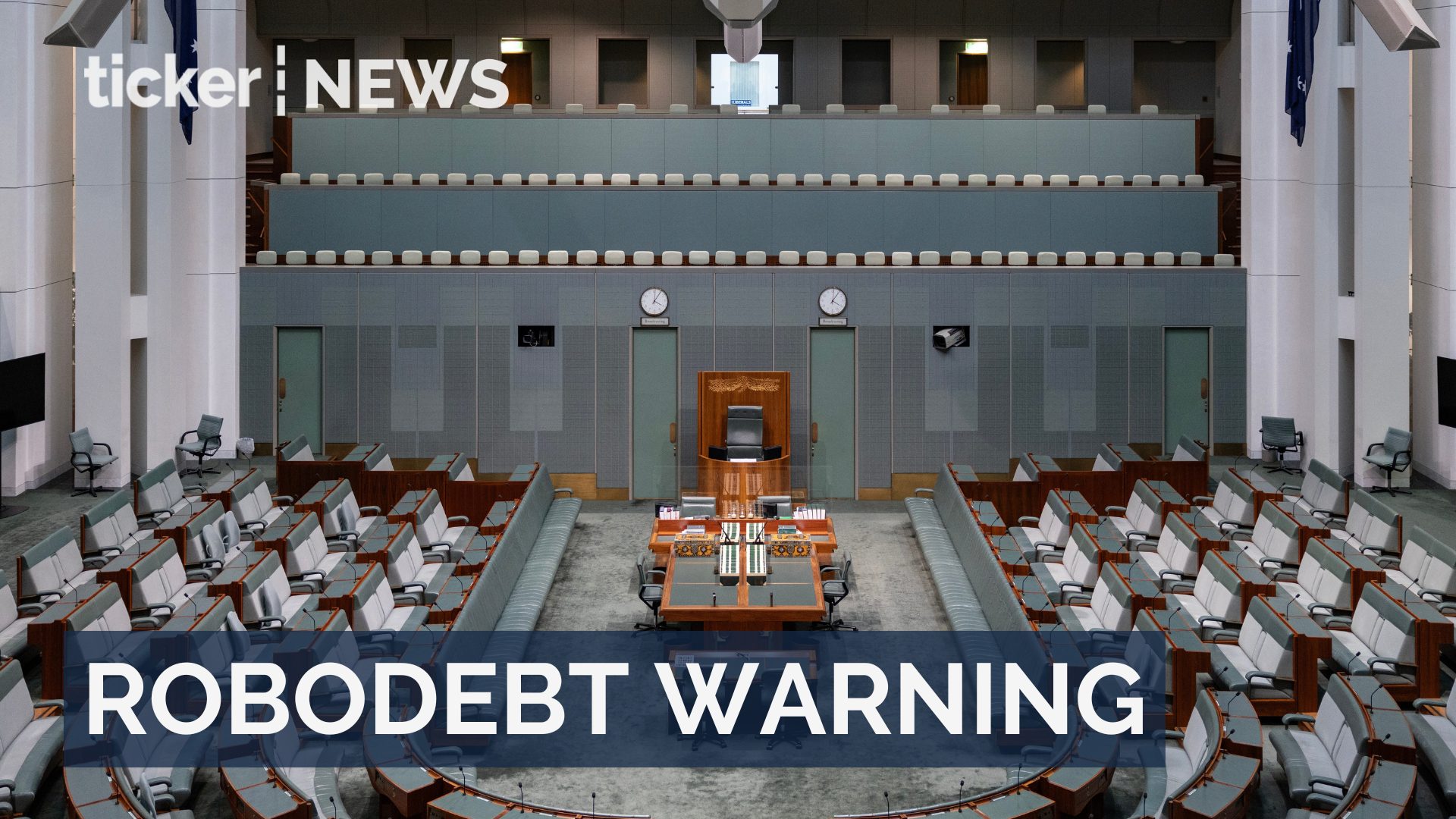
It feels as though we are sleepwalking into another robodebt scenario, and that’s why we’ve decided to put this work forward now, in the hope also that it can help inform any framework that the government does propose in relation to ADM.
Integrity advocates warn that public trust in administrative fairness deteriorates rapidly when citizens cannot understand why an automated system rejected their claim or reduced their daily care support.
Key Dates and Requirements
Public consultation managed by the Attorney-General's Department regarding an administrative automated decision-making framework concluded in January 2025. Independent MP Kate Chaney introduced a private member's bill in September 2026 to mandate compliance across federal departments, citing prolonged delays in ministerial delivery.
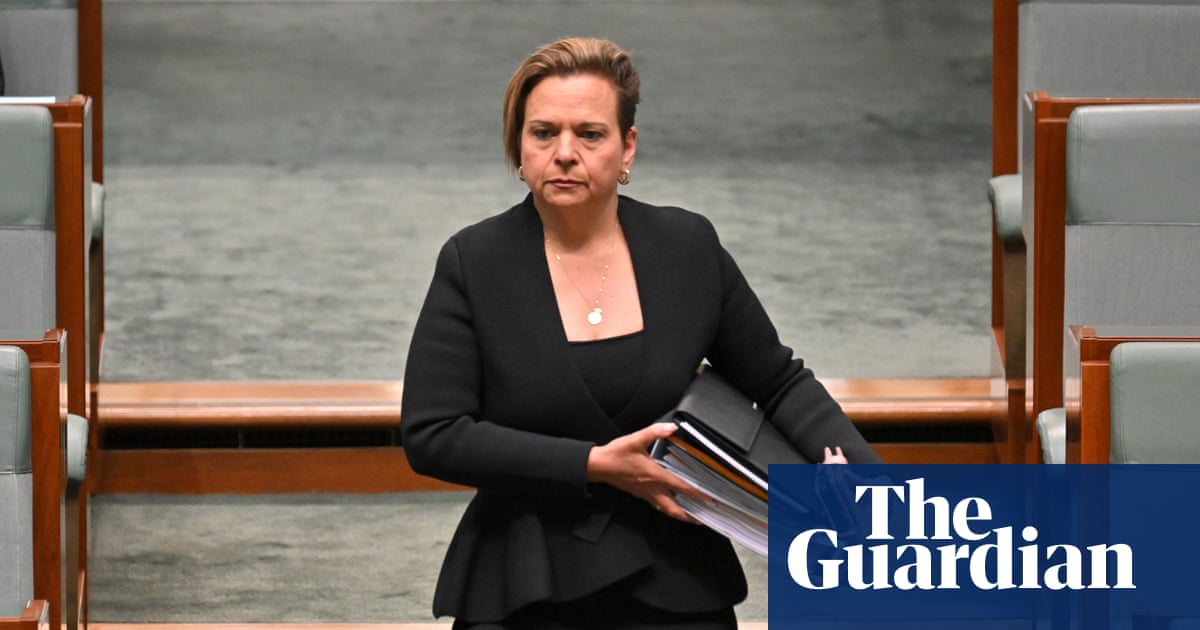
Attorney-General Michelle Rowland confirmed the federal government remains committed to implementing recommendations stemming from the robodebt inquiry to deliver lawful public administration. However, the Attorney-General has not published a finalized timetable for introducing the government's official bill, nor has she clarified whether the forthcoming statutory standards will apply retrospectively to automated models already operating in federal agencies.
Debate and Legal Challenges
Integrity watchdogs and crossbench parliamentarians argue that statutory obligations represent the only viable shield against administrative abuse. Independent MP Kate Chaney highlighted that while departments view automated systems as an instrument for internal budget savings, operating without clear review pathways leaves individuals defenseless against algorithmic miscalculations. Watchdogs maintain that without an independent monitoring entity, public service departments will continue prioritizing processing efficiency over individual rights.
The federal government maintains that automated decision-making remains vital for lifting public sector productivity and ensuring timely, consistent outcomes across high-volume departments. Attorney-General Michelle Rowland stated that the department's forthcoming framework will embed robust safeguards and preserve human oversight while expediting service delivery for the community. The debate remains focused on whether discretionary agency guidelines are sufficient or if formal statutory enforcement is required to avoid systemic administrative injustice.
Frequently Asked Questions
What is automated decision-making in government services?
Automated decision-making refers to software systems, computational models, or artificial intelligence algorithms used by government agencies to process personal information, assess entitlement claims, or make administrative determinations regarding citizen services.
Why are watchdogs comparing current programs to robodebt?
The Centre for Public Integrity warned that deploying systems like the integrated assessment tool without transparent rules or the ability for human assessors to correct faulty algorithmic outputs mirrors the automated debt-averaging failures exposed by the robodebt royal commission.
Has the Commonwealth Ombudsman investigated these tools?
Yes. A report released by the Commonwealth Ombudsman in October found that the federal government failed to incorporate key transparency recommendations from the robodebt royal commission when developing and introducing its integrated assessment tool.
When will the federal government release its regulatory framework?
Public consultations led by the Attorney-General's Department concluded in January 2025. Attorney-General Michelle Rowland has confirmed work is ongoing to design robust safeguards, though an exact release date has not been announced.