
The Australian Federal Government is preparing emergency measures as a severe fuel supply squeeze triggers localized shortages across service stations nationwide. Prime Minister Anthony Albanese has flagged potential conservation strategies, including working from home and carpooling, to mitigate the impact of disrupted shipping routes. State governments have begun taking extraordinary actions to secure remaining reserves for essential services.

TL;DR
- Six fuel ships destined for Australia have been cancelled or deferred due to Middle East tensions.
- The Federal Government is urging voluntary fuel conservation through WFH and carpooling.
- Independent retailers are reporting they have been pushed to the back of the queue for deliveries.
- National Cabinet will meet next week to discuss formal rationing and supply security.
What Happened
Australia entered a critical fuel supply phase on March 25, 2026, following the cancellation or deferral of 6 major fuel tankers originally bound for local ports. The disruption stems from escalating conflict in the Middle East involving Iran, which has left Asian oil refiners scrambling for alternative crude sources. As a result, several service stations in regional and metropolitan areas have reported running dry, while independent fuel retailers claim they are being deprioritized in favor of major brand outlets.
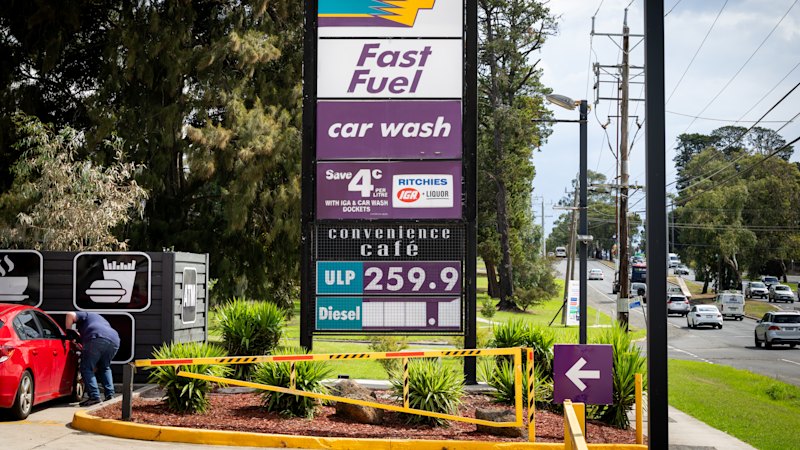
New South Wales has already invoked extraordinary powers to manage its fuel stock, ensuring that emergency services and logistics chains remain operational. Bite the bullet is the sentiment shared by many transport operators as they face rising costs and uncertain availability at the bowser. Business leaders have urged the Prime Minister to take decisive control to avoid a repeat of the logistical chaos seen during the COVID-19 pandemic.
Key Developments
The Australian government has outlined a multi-tiered response plan to manage the dwindling reserves. While the immediate gap from the 6 cancelled ships has been partially filled by rerouting other vessels, the long-term outlook remains volatile. Minister for Climate Change and Energy, Chris Bowen, confirmed that the Liquid Fuel Emergency Act provides the framework for federal intervention if the situation deteriorates further.
We are looking at all sensible measures to reduce demand, including encouraging people to work from home where possible and carpool to save on every litre.
Current data indicates that fuel shortages are most acute in regional hubs where delivery frequencies are lower. The government has not yet moved to compulsory rationing, but the option remains on the table for the National Cabinet meeting scheduled for next week.
Why This Matters
Australia relies on imports for over 90% of its liquid fuel needs, making the economy highly vulnerable to maritime disruptions. A prolonged shortage threatens the national supply chain, specifically the delivery of groceries and essential medicines which rely on diesel transport. The current crunch is testing the resilience of Australia's fuel security protocols for the first time since the 1970s.
What Happens Next
The National Cabinet will convene next week to decide on a unified state and federal response to the crisis. High-priority items include the potential formalization of WFH recommendations and the allocation of fuel quotas for essential industries. Consumers can monitor local availability through the national fuel shortage tracker to identify which service stations still have stock. Motorists are advised not to panic-buy, as this could lead to an immediate collapse of the retail network.
Key Terms & Concepts
- Liquid Fuel Emergency Act
- A federal law that gives the government power to control the sale, transfer, and use of liquid fuels during a national shortage.
- Bowser
- A common Australian term for a fuel pump at a service station.
- National Cabinet
- An intergovernmental decision-making body composed of the Prime Minister and the premiers and chief ministers of the states and territories.
Frequently Asked Questions
Is the Australian government rationing fuel right now?
No, there is currently no mandatory nationwide rationing for the general public. However, the government has suggested voluntary measures like working from home and carpooling, while some states have taken internal steps to secure fuel for emergency services.
Why is there a fuel shortage in Australia?
The shortage was triggered by the cancellation or delay of 6 fuel ships due to conflict in the Middle East. This has caused a supply squeeze at Asian refineries that provide the bulk of Australia's imported fuel.
Will petrol prices go up because of the shortage?
Yes, the reduction in supply and the increased costs of sourcing fuel from alternative routes are expected to drive prices higher at the pump across all Australian states.
How can I find out which petrol stations have fuel?
Motorists are encouraged to use digital fuel tracking apps and state-based petrol price monitors to check availability before traveling to a station, as some independent retailers are currently reporting empty tanks.
What happened to the 6 cancelled fuel ships?
The 6 ships were deferred or cancelled due to security risks in shipping lanes near Iran. While some supply has been recovered by rerouting other vessels, the net loss has created a temporary deficit in the national reserve.