
Last updated: April 8, 2026
Ceasefire Talks Gain Momentum as Trump Floats Two-Week Pause — Global Stakes Rise
Australians are watching closely as tensions in the Middle East ripple into fuel prices, trade routes, and regional security. A proposed ceasefire linked to escalating conflict involving Iran has suddenly taken centre stage. Former US President Donald Trump has floated a two-week pause, while Pakistan has also pushed for diplomatic breathing space. It’s a fast-moving situation — and one that could hit closer to home than it first appears.
The Backstory
The current crisis didn’t come out of nowhere. Tensions between Iran, Israel, and the United States have been simmering for years — fuelled by sanctions, regional proxy conflicts, and nuclear concerns. What’s changed is the pace. Over the past week, military exchanges have intensified, drawing in global attention.
Meanwhile, diplomatic channels have struggled to keep up. Countries like Pakistan have stepped in, proposing a ceasefire as a way to cool things down before the situation spirals further. It’s a familiar playbook — pause the fighting, open talks, and hope cooler heads prevail.
But here’s the catch: previous ceasefire attempts in similar conflicts have often been fragile. As Aussies know from watching global markets, even a short disruption can send oil prices jumping overnight. That’s where things get real for us back home.
Here's What Happened
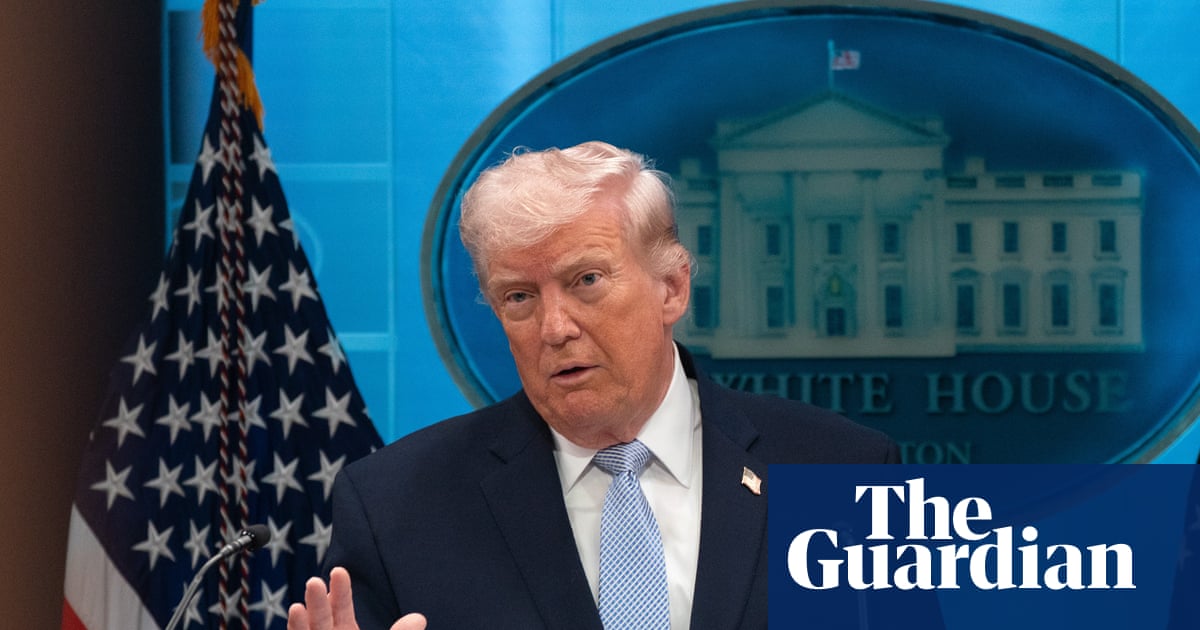
In a series of rapid developments, Donald Trump publicly backed a two-week ceasefire proposal. The idea? Hit pause on military actions to allow negotiations to take shape. At the same time, Pakistan reportedly put forward its own ceasefire suggestion, signalling growing international pressure for de-escalation.
Coverage across multiple outlets shows just how volatile things are. One moment, there’s talk of diplomacy. The next, warnings of broader escalation. Trump’s rhetoric has also raised eyebrows, with strong language about potential consequences if the conflict continues unchecked.
Live updates have pointed to ongoing negotiations behind the scenes, though no formal agreement has been locked in. You can follow the unfolding coverage via live updates here.
And if you’re wondering whether this is just political theatre — well, the stakes suggest otherwise. Military assets remain active, and each side appears to be weighing its next move carefully. No one wants to blink first.
What People Are Saying
Leaders and analysts are split. Some see the proposed ceasefire as a necessary step to avoid a wider regional war. Others worry it could simply delay an inevitable escalation.
“A temporary ceasefire could create space for diplomacy, but only if all sides commit to genuine negotiations.”
Trump, for his part, has framed the proposal as a strategic move — though critics argue his tone risks inflaming tensions rather than calming them.
Meanwhile, Pakistan’s involvement has been noted as a sign that more countries are trying to pull the situation back from the brink. It’s a bit like calling a timeout in a game that’s getting out of hand.
The Bigger Picture
For Australians, the immediate concern is economic. Oil supply routes through the Middle East are critical, and any disruption could push fuel prices higher. That means higher costs at the bowser, and potentially across groceries and transport.
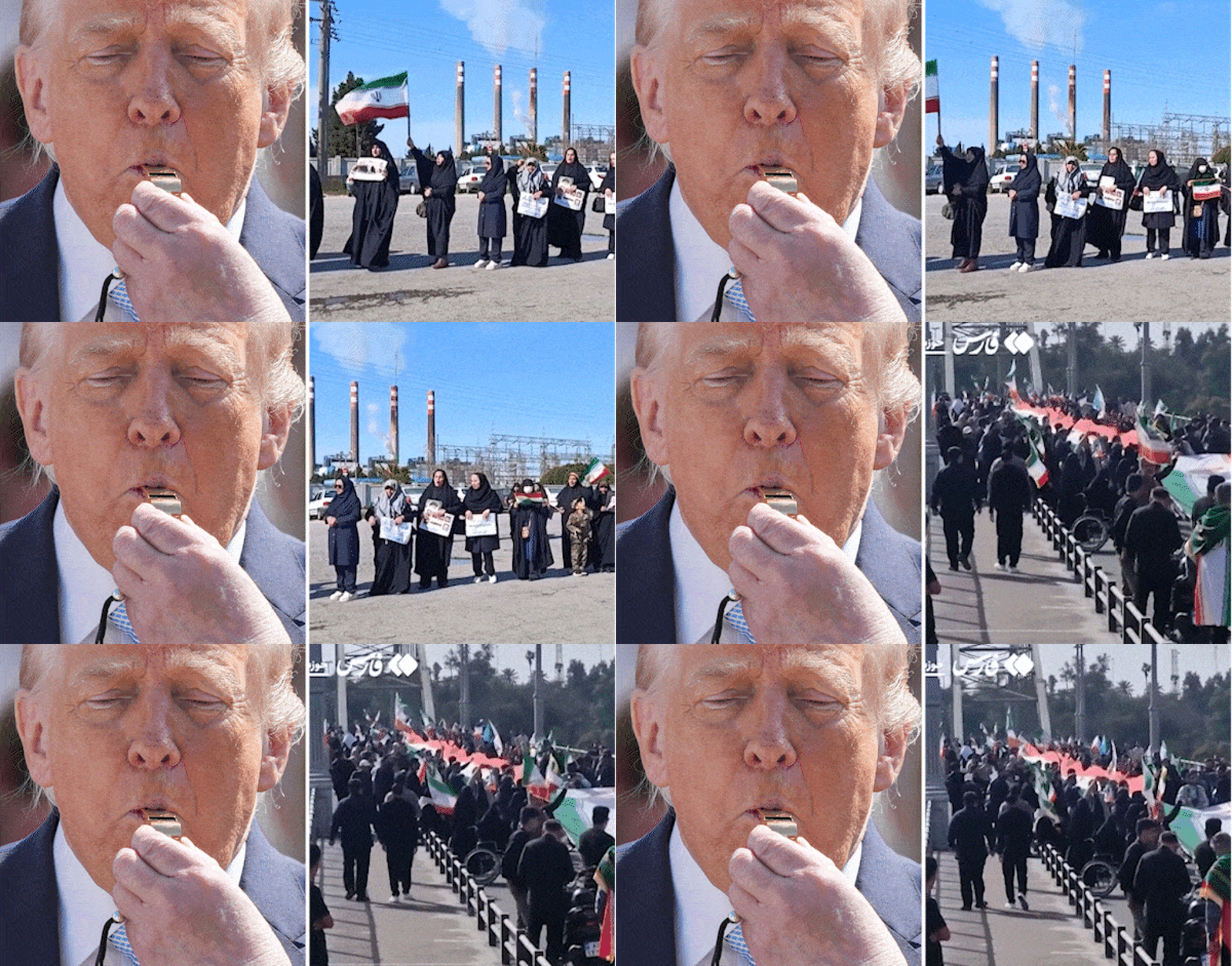
There’s also the strategic angle. Australia maintains defence and diplomatic ties with key players in the region. If tensions escalate further, Canberra may face tough decisions about its role and response.
And let’s not forget the human cost. Civilians in affected areas are already dealing with uncertainty and risk. A ceasefire — even a short one — could provide critical relief.
The Road Ahead
Right now, everything hinges on whether a formal ceasefire agreement can be reached — and, just as importantly, whether it holds. Negotiations are expected to continue over the coming days.
If you’re following this closely, keep an eye on official announcements and verified updates like this live coverage. Things are moving quickly, and the situation could shift again at any moment.
FAQ
What is the proposed ceasefire?
A temporary pause in military actions, reportedly for two weeks, to allow negotiations between involved parties.
Who proposed the ceasefire?
Donald Trump publicly supported a two-week pause, while Pakistan also suggested a ceasefire framework.
Why does this matter for Australia?
It could affect fuel prices, trade stability, and Australia’s strategic relationships in the region.
Has a ceasefire been agreed?
No formal agreement has been confirmed yet — talks are ongoing.
What happens next?
Diplomatic efforts continue, with the next few days seen as critical in determining whether tensions ease or escalate.