
Last updated: April 8, 2026
A man discharged from hospital walked out to start fresh — and was killed just 90 minutes later. That single detail has come to define the shock of the latest missile strike on Haifa, where multiple civilians were caught in what officials say was part of a broader escalation involving Iran-linked attacks.
The strike has left at least four people dead and intensified global concern about the region sliding further into open confrontation. Meanwhile, political rhetoric is ramping up fast, with warnings and ultimatums flying across capitals.

What We Know So Far
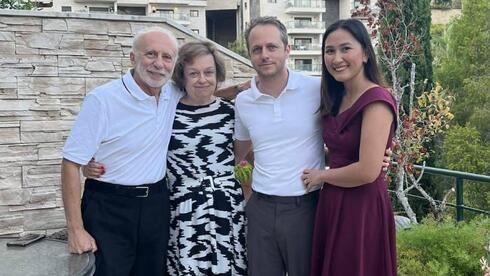
The missile strike hit Haifa with little warning, killing at least four civilians, including members of the same family. Among them were a couple and their son, identified in local reporting, alongside another relative who had recently joined them.
One of the most confronting details to emerge is the death of a father who had just been discharged from Rambam Hospital. He returned home, only to be caught in the blast within an hour and a half. It’s a grim reminder of how quickly ordinary life can flip.
The attack has been linked to ongoing tensions involving Iran, with officials and analysts pointing to a pattern of escalating exchanges. The strike also exposed a deeper issue — gaps in access to bomb shelters in parts of the city, particularly older neighbourhoods where infrastructure hasn’t kept pace with modern threats.
Here’s the thing — this isn’t an isolated incident. Similar strikes over the past few decades have followed a familiar rhythm: escalation, retaliation, then uneasy calm. But each time, the civilian toll adds weight to calls for stronger defensive systems.
Meanwhile, political pressure is mounting. Former US President Donald Trump issued a stark warning toward Tehran, signalling how quickly rhetoric can spill into real-world consequences.
What People Are Saying
You’ll be living in Hell if this continues.
Security experts are also raising concerns about preparedness. Local commentators have pointed out that while Israel has advanced missile defence systems, accessibility to shelters remains uneven — especially for vulnerable populations.
Community voices are growing louder. Families affected by the strike are calling for immediate improvements in civil protection, arguing that survival shouldn’t depend on where you live in a city.
How This Affects You
If you’re watching this from Australia, you might be wondering why it matters here. The short answer: global instability doesn’t stay contained. Energy prices, shipping routes, and international relations all feel the ripple effects.
Australia has long-standing economic ties and security interests in the Middle East. Any escalation can influence fuel costs, trade flows, and even defence policy discussions back home. When tensions rise overseas, it rarely stays overseas.

There’s also a human angle. Australian citizens living or travelling in the region may face heightened risk, prompting travel advisories or diplomatic responses. It’s a reminder that distant conflicts can land closer to home than expected.
Coming Up
Officials are expected to release further details on the victims and the sequence of events leading up to the strike. Investigations into shelter accessibility are also likely to intensify, alongside broader discussions about civilian protection.
Diplomatic developments will be closely watched in the coming days. Any shift in tone — whether escalation or de-escalation — could shape the next phase of this unfolding situation.
At a Glance
- At least 4 people killed in Haifa missile strike
- Victims include members of the same family
- Man discharged from hospital died 90 minutes later
- Concerns raised over lack of accessible bomb shelters
- Political tensions with Iran continue to escalate
FAQ
What caused the Haifa missile strike?
The strike is believed to be linked to ongoing tensions involving Iran and regional military activity.
Who were the victims?
At least four civilians, including a family, were killed. One had just been discharged from hospital.
Why is shelter access being discussed?
The incident exposed gaps in bomb shelter availability, especially in older neighbourhoods.
Could this escalate further?
Yes, political rhetoric and past patterns suggest a risk of continued escalation.
Does this impact Australia?
Indirectly, yes — through economic effects, security considerations, and travel advisories.