
Collingwood’s season took a brutal turn this week when young ruckman Oscar Steene went down clutching his knee at the SCG. Within hours, fears around an ACL rupture were growing inside the club — and by Friday, scans confirmed the worst. For a side pushing deep into another AFL campaign, it was the sort of moment that drains the air out of a dressing room.
Steene, still early in his AFL journey, had been building momentum in the Magpies system. Instead, he now faces a recovery stretching well into next year. That’s footy sometimes — cruel as they come.
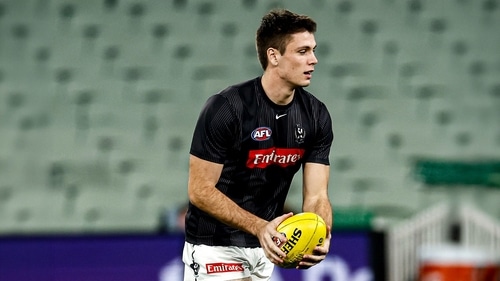
What We Know So Far
The injury happened during Collingwood’s tense clash against Sydney, a match already packed with momentum swings and physical pressure. Steene landed awkwardly during a contest and immediately looked in serious trouble. Medical staff rushed out quickly, while teammates nearby appeared visibly shaken.
Initial concern inside the club was high. Craig McRae described the scenes afterward as “sad”, and players reportedly feared the outcome before scans were even completed. By Friday morning, those fears were confirmed: Steene had suffered a ruptured ACL.
ACL injuries remain among the most difficult setbacks in Australian rules football. Recovery timelines regularly stretch between nine and twelve months, sometimes longer for taller ruckmen whose workload puts added strain on the knees. That matters here. At 202 centimetres, Steene’s rehabilitation process is expected to be carefully managed.
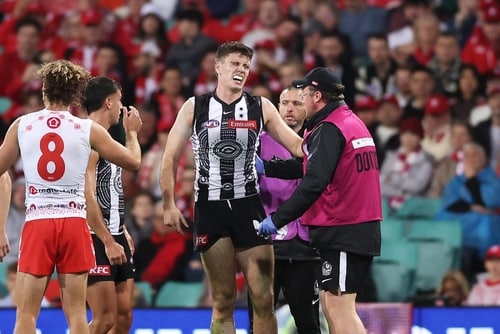
Meanwhile, Collingwood now faces fresh questions around ruck depth. The Magpies have managed their list aggressively in recent seasons, but long-term injuries can quickly expose thin areas of a squad. If you’re following the premiership race closely, this changes calculations around workload management for the second half of the season.
There’s also the emotional toll. Young players often spend years building toward a breakout opportunity. A major knee injury interrupts not only development but confidence and continuity. Across the AFL, clubs have become far more sophisticated in recovery programs, yet the mental side remains just as challenging as the physical rehab.
- ACL
- The anterior cruciate ligament, a major stabilising ligament in the knee commonly injured in pivoting sports.
- Ruckman
- A tall player responsible for contesting ball-ups and stoppages around the ground.
- Rehabilitation
- The structured medical and fitness process used to recover from serious injury and return to competition.
The Response
Collingwood officials were quick to rally around Steene after the diagnosis became public. The club described him as “incredibly disappointed” but determined to attack rehabilitation professionally.
He’s a resilient young man and we’ll support him every step of the way.
Teammates also voiced support online and inside club channels. In AFL circles, season-ending knee injuries tend to cut across rivalries quickly. Players understand exactly what lies ahead: surgery, months of rehab, and the challenge of returning to elite match fitness.
It’s not looking good.
What’s interesting is how often these moments reshape clubs internally. Injuries create opportunities for younger players further down the list, while coaching staff are forced to rethink rotations and structure. No worries is not really an option at this stage of the season.
What It Means for You
For AFL fans in Australia, especially Collingwood supporters, the injury changes expectations around the club’s depth and long-term planning. Fantasy AFL players and punters are also reassessing selection strategies ahead of upcoming rounds.
More broadly, Steene’s setback is another reminder of how common ACL injuries remain across Australian sport. Community football leagues around the country continue investing heavily in prevention programs and recovery education. You might be wondering why these injuries still happen so frequently despite modern conditioning. The reality is the game’s speed and physical demands keep increasing every year.

There’s another layer too. Young AFL talent pathways are becoming more intense earlier in players’ careers. Sports medicine experts have repeatedly warned about cumulative workload pressures on developing athletes. Steene’s case will likely fuel more discussion around player management and injury prevention at elite level.
Fans seeking updates can follow Collingwood’s official injury reports and AFL injury coverage for rehabilitation timelines and return estimates.
Coming Up
Steene is expected to undergo surgery in coming weeks before beginning a lengthy rehabilitation program. Collingwood’s medical team will likely provide staged recovery updates through the remainder of the 2026 season.
The Magpies also face immediate tactical decisions ahead of upcoming fixtures, particularly around ruck rotations and workload management for senior players. Selection discussions heading into the next fortnight suddenly carry much more weight.
At a Glance
- Oscar Steene suffered a confirmed ACL injury during Collingwood’s clash with Sydney.
- The injury is expected to sideline him for most or all of the next 12 months.
- Collingwood officials described the situation as emotionally difficult for the group.
- The Magpies may now need to adjust their ruck structure and player rotations.
- ACL injuries continue to be a major issue across Australian football.
FAQ
What injury did Oscar Steene suffer?
Oscar Steene suffered a ruptured ACL in his knee during Collingwood’s match against Sydney. Scans later confirmed the severity of the injury.
How long does ACL recovery usually take in the AFL?
Most AFL players recovering from ACL injuries miss between nine and twelve months. Taller players, including ruckmen, can sometimes require longer rehabilitation periods.
Will Oscar Steene play again this season?
No. Based on current recovery expectations, Steene is not expected to return during the 2026 AFL season.
How does this affect Collingwood?
The injury reduces Collingwood’s depth in the ruck division and may force tactical changes. Coaches are now expected to adjust rotations and workload management.
Why are ACL injuries common in AFL?
AFL involves rapid direction changes, jumping contests, heavy contact, and high running loads. Those factors place significant stress on knee ligaments.
Where can fans follow injury updates?
Supporters can monitor official club updates and AFL injury reports online for rehabilitation milestones and recovery progress.