
The noise in Stockholm still seems to follow Graham Potter. Months after Viktor Gyokeres struck late against Poland, Sweden’s head coach is still replaying the Swedish commentary, the roar, the substitutes spilling onto the pitch and the sudden release of a country that looked nowhere near the World Cup. Now Potter arrives in Monterrey with Sweden preparing to face Tunisia, carrying both the bruises of Chelsea and West Ham and the fresh charge of a job that has restored his appetite for football.

How Events Unfolded
Sweden’s path to this tournament was messy, dramatic and unlikely. The side finished bottom of its qualifying group and needed the lifeline of its Nations League performance to reach the play-offs, where Potter’s team beat Ukraine and then Poland to secure a World Cup return.
Gyokeres was central to that rescue act. He scored a hat-trick against Ukraine, then delivered the late goal against Poland that sent Sweden to the finals. Sky Sports reported Potter calling the night in Stockholm the best of his career, while Arsenal’s own account described the Poland winner as the moment that sent Sweden to a first World Cup in eight years.
That matters because Potter had only taken the Sweden job in October after another painful club exit. His spells at Chelsea and West Ham had ended unhappily, but the national-team role gave him a quick way back into meaningful work rather than another long period of public dissection.
Sweden open against Tunisia in Monterrey, then face the Netherlands in Houston and Japan in Arlington. For Australian football fans watching the expanded World Cup unfold, this is one of those group stories that carries more than the usual neutral-interest angle: a respected coach trying to rebuild himself, and a flawed side trying to turn elite forwards into a functioning tournament team.
The Fine Print
The deeper story is not just Potter’s return. It is Sweden’s strange imbalance. The Independent described the squad as one that struggled badly in qualifying yet still owns one of the most dangerous attacking pairings at the tournament in Gyokeres and Alexander Isak.
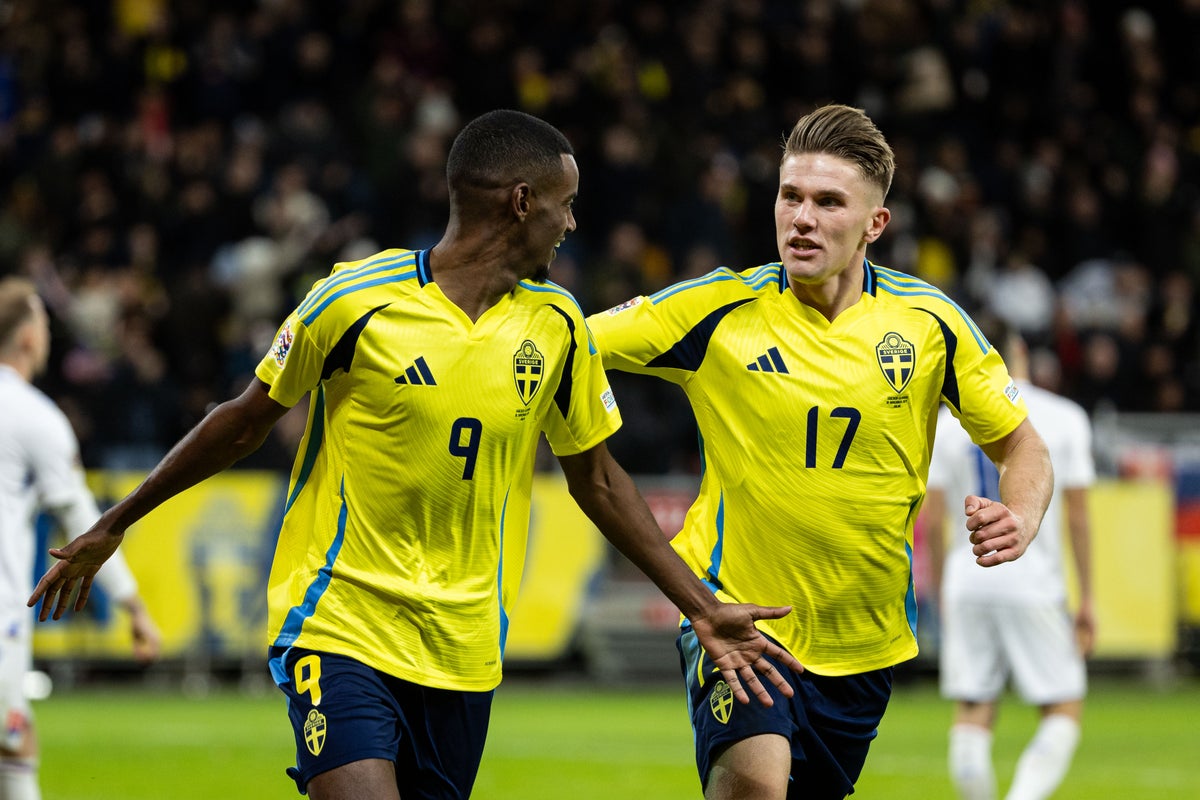
Jon Dahl Tomasson previously used the pair together in the Nations League, sometimes with Isak dropping into a No 10 role. Gyokeres scored nine goals in six games and Isak added four, but the same formula did not hold in World Cup qualifying. Tomasson was sacked, and Potter inherited a side with confidence problems as well as obvious attacking weapons.
Potter has been careful not to reduce Sweden to two forwards. Speaking before the Tunisia game, he said the team structure has to come first. That is a practical point, not a slogan. At international level, he does not have months on a training ground to rebuild habits, so his choices need to be clear, repeatable and suited to the players available.
The Response
Potter has sounded unusually open about the emotional swing of his last year in management. He told Sky Sports that he still watches the Swedish commentary from the Poland win because of the emotion in the voice when Gyokeres scores.
I can only describe it as that.
On his connection with Sweden, Potter has gone beyond professional politeness. He spent seven years in the country with Ostersunds, said two of his children were born there, and told Sky Sports he feels very Swedish while working for the national team.
The best night of my career.
He has also defended Gyokeres after criticism around the striker’s first Arsenal season. Metro reported Potter saying the forward had a fantastic season and that Sweden want to use him at his best because he gives them a chance to win matches.
Captain Victor Lindelof, meanwhile, told The Independent he would not replace Gyokeres and Isak with anyone. Brighton midfielder Yasin Ayari called them two of the best in the world and said Sweden know what they need to do to make them shine.
Putting It in Perspective
Sweden are not arriving as a smooth, finished side. Sportstar listed Potter’s Sweden record before the tournament as six matches, two wins, two draws and two losses, with 11 goals scored and 13 conceded. That tells the story neatly: there is threat, but also risk.

The pressure on Isak is different. He arrived at Liverpool for a British record £125m from Newcastle, but Sky Sports reported injuries limited him to only 13 starts in all competitions in his first season. Potter’s view is that a player’s quality does not vanish because the fit at club level takes time.
For Gyokeres, the emotional stakes are national. Arsenal’s website quoted Swedish journalist Johanna Frändén saying his play-off goals changed how the public viewed him, describing the Poland match as the biggest Swedish game in 20 years. That is a heavy lift for one player, but it also gives Sweden a clear source of belief.
Looking Ahead
Sweden’s confirmed immediate task is Tunisia in Monterrey. After that come the Netherlands and Japan, a group that The Independent called perhaps the most competitive in the tournament.
Potter’s contract has been extended to 2030, so this World Cup is not just a short rescue mission. It is the first major test of whether his Sweden story can become more than one extraordinary night in Stockholm.
People Also Ask
Who is Graham Potter coaching at the 2026 World Cup?
Graham Potter is coaching Sweden at the 2026 World Cup. Sportstar reported that he took the Sweden job in October 2025 and led the team through the qualifying play-offs.
How did Sweden qualify for the 2026 World Cup?
Sweden struggled in its qualifying group but reached the play-offs through its Nations League route. The team beat Ukraine after a Gyokeres hat-trick, then beat Poland with a late Gyokeres goal.
When does Sweden play its World Cup group games?
Sky Sports listed Sweden’s group schedule as Tunisia in Monterrey on June 15, Netherlands in Houston on June 20 and Japan in Arlington on June 26. The Tunisia match is Sweden’s opening game.
Can Viktor Gyokeres and Alexander Isak play together for Sweden?
Potter has said their styles are different, with Gyokeres threatening space and Isak able to drift wider or operate as a No 10. He has also stressed that the team behind them must function properly for the forwards to decide matches.
Why is this World Cup important for Potter?
Potter’s previous club jobs at Chelsea and West Ham ended unhappily. The Sweden role has given him a fast return to major football, and he has described the play-off win over Poland as the best night of his career.