
The red clay around Court Philippe-Chatrier was still damp from an earlier drizzle when Naomi Osaka walked off with another gritty win, shoulders relaxed but hardly satisfied. Across the grounds at Roland Garros, a different kind of buzz started building around 17-year-old Iva Jovic — the teenager now standing between Osaka and a deeper French Open run.
Osaka edged past Donna Vekic in two razor-tight sets to reach the next round in Paris, setting up a fascinating clash with Jovic. For tennis fans in Australia staying up through the night, it is suddenly one of those matches that feels impossible to ignore.
How Events Unfolded
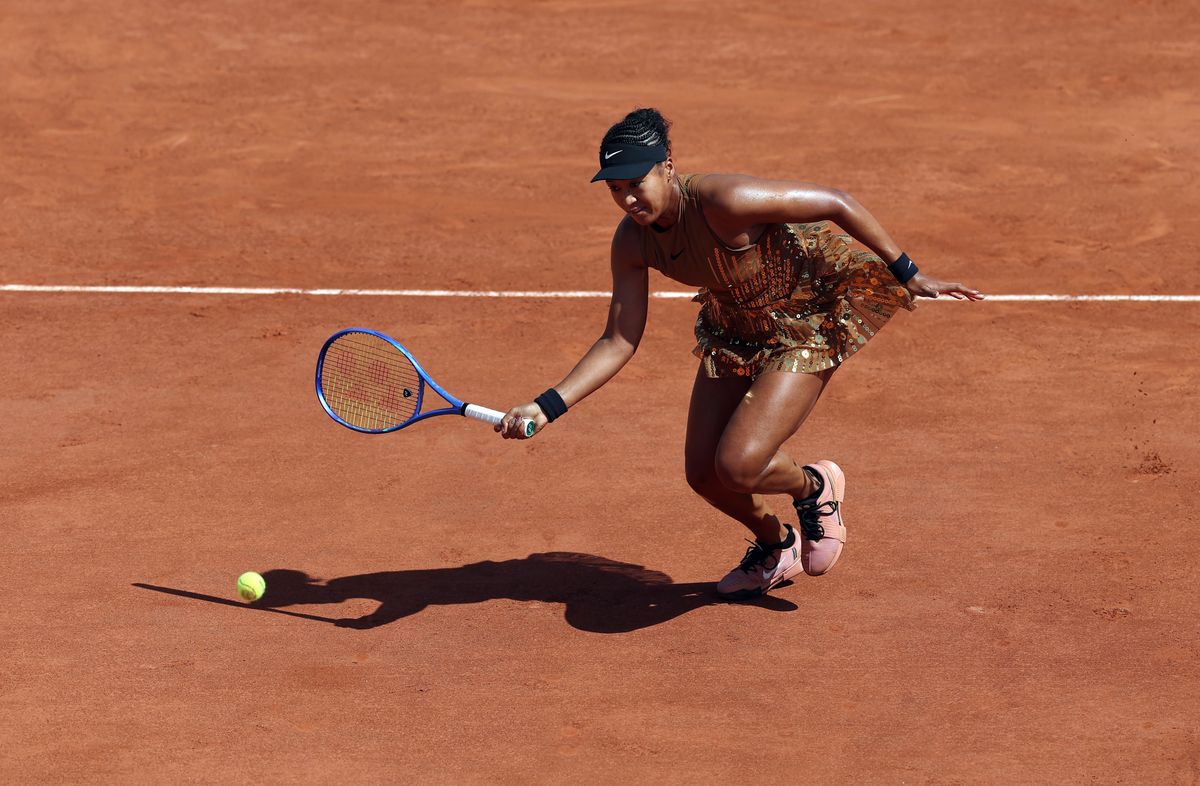
Osaka’s victory over Vekic was anything but straightforward. The former world No.1 had to absorb heavy baseline pressure, save key break points and stay patient on a surface that has traditionally tested her movement and timing.
Still, she found answers. Big serves arrived when they mattered most. Her forehand, sometimes erratic on clay in previous seasons, held up in long exchanges. By the final games, Osaka looked calmer than she did in the opening set.
That composure matters because Jovic brings a completely different challenge. The American teenager has become one of the breakout stories of the tournament, playing with the kind of fearless aggression that can unsettle established stars. Not bad for a player many casual fans barely knew a fortnight ago.
You might be wondering why this matchup is drawing so much attention already. Part of it is contrast. Osaka is a four-time Grand Slam champion rebuilding momentum on clay. Jovic is the newcomer swinging freely with very little to lose.
Under the Surface
What makes this run especially significant for Osaka is the timing. After injuries, long breaks and questions about her consistency, she arrived in Paris carrying cautious expectations rather than title pressure. That has changed quickly.
Clay courts have never naturally suited Osaka’s explosive first-strike style. The slower surface extends rallies and exposes movement patterns. Yet this season she appears more comfortable constructing points instead of forcing winners too early.
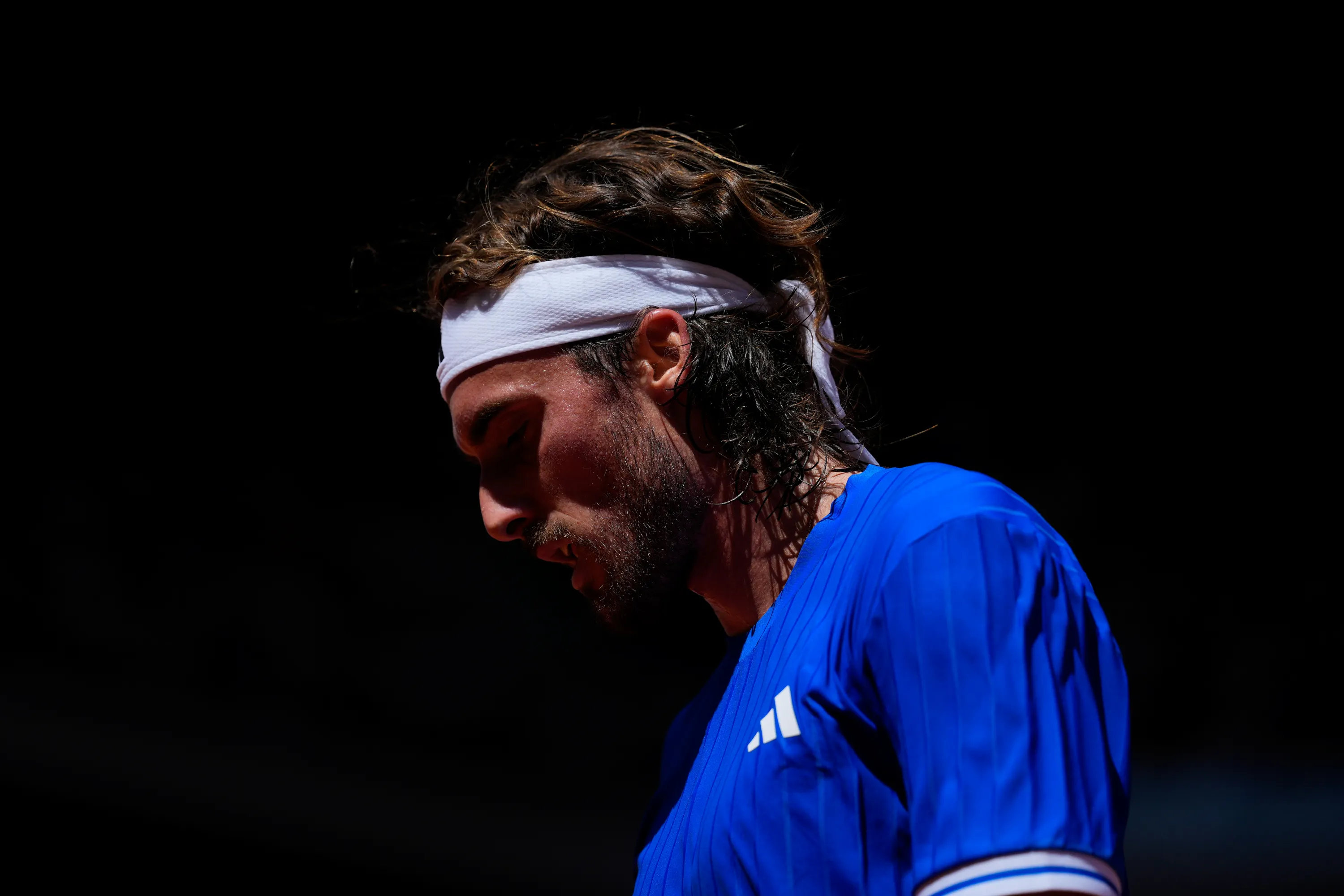
Meanwhile, Jovic’s rise speaks to a broader shift in women’s tennis. Teenagers are no longer waiting years before challenging elite players. The pathway is faster now, partly because younger athletes arrive with professional coaching teams, sports science support and massive junior-level exposure.
Australian tennis fans have seen similar surges before. Think back to the way young stars suddenly burst through at Melbourne Park and instantly changed the conversation. That “fair dinkum, where did they come from?” feeling is very real around Jovic right now.
There is also the commercial angle. Osaka remains one of the sport’s biggest global names, and every deep Slam run strengthens interest from broadcasters, sponsors and streaming audiences. A compelling matchup against a fearless teenager is exactly the sort of contest tournament organisers love.
Voices & Opinions
Osaka acknowledged after her win that patience has become central to her clay-court progress.
I’m learning how to stay in points longer and trust my movement more.
Tennis analysts following the tournament noted that Osaka’s serving numbers remain elite even on slower courts. That changes the equation because opponents struggle to create consistent break opportunities.
Several commentators have also pointed to Jovic’s confidence under pressure. She is not arriving for a “learning experience.” Her body language suggests she believes she belongs on this stage already.
Young players who swing freely can become very dangerous on these courts.
Putting It in Perspective
For Australian viewers, the matchup lands in that sweet spot of global relevance and late-night sporting drama. Osaka has long been a major draw across the Asia-Pacific region, while emerging young talent stories traditionally perform strongly with local audiences.
The French Open itself has also become more accessible for Australian fans through expanded streaming coverage and digital highlights. Matches no longer disappear behind overnight scorelines. Clips circulate instantly, and breakout stars can gain international followings in hours.
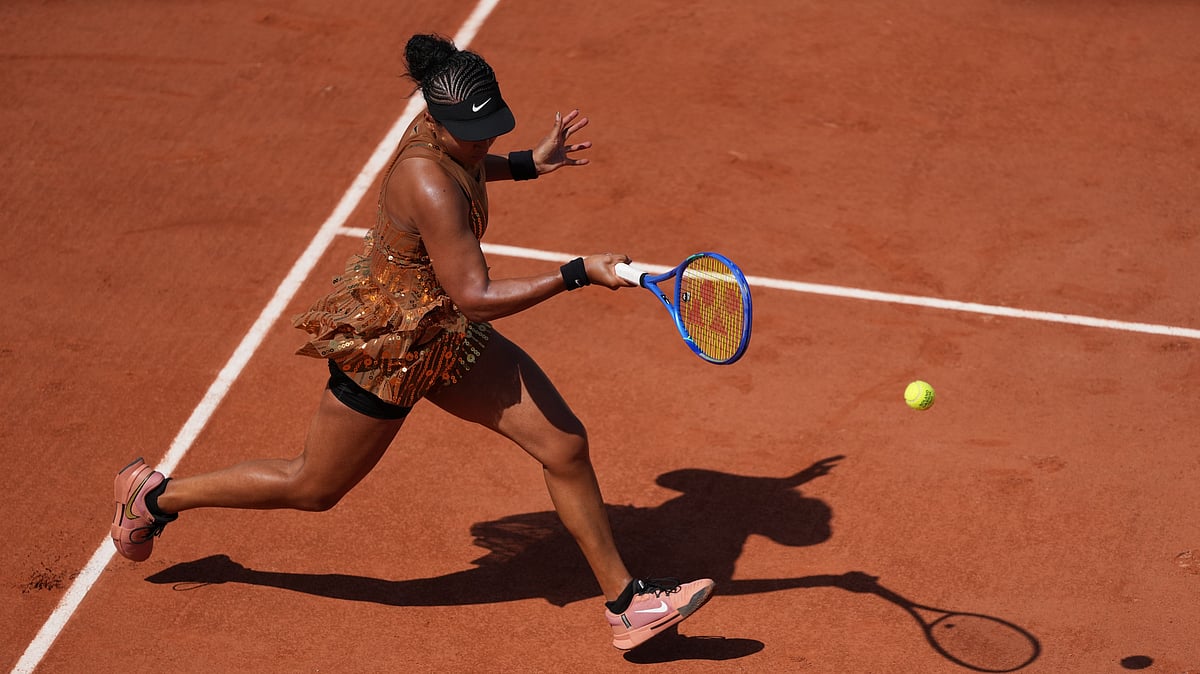
If Osaka advances, expectations around her title chances will rise sharply. If Jovic pulls off the upset, it instantly becomes one of the defining moments of this year’s tournament.
Either way, there is a sense this is more than just another third-round match. The penny’s dropping for many tennis fans: Osaka may finally be figuring out clay, while Jovic looks ready to crash the elite conversation much sooner than expected.
Looking Ahead
The Osaka-Jovic clash is now one of the headline matches heading into the next phase of Roland Garros. Coaches and analysts will closely watch whether Osaka can maintain her improved patience on clay against a younger opponent likely to attack early and often.
Jovic, meanwhile, enters with momentum and almost no external pressure. That combination can be dangerous in Grand Slam tennis, particularly against established stars carrying expectation.
And if you are planning another late night in Australia to watch it unfold, well, you probably will not be alone.
FAQ
Who is Iva Jovic?
Iva Jovic is a rising American teenage tennis player gaining attention during the 2026 French Open.
Who did Naomi Osaka beat at Roland Garros?
Osaka defeated Donna Vekic in straight but tightly contested sets to move into the next round.
Why is the Osaka vs Jovic match important?
The match pits an established Grand Slam champion against one of the tournament’s breakout teenage stars.
Has Naomi Osaka won the French Open before?
No. Osaka has won four Grand Slam titles but has never captured Roland Garros.
Why is clay considered difficult for Osaka?
Clay slows points down and demands longer rallies, which historically challenged Osaka’s attacking style.
How can Australian fans watch Roland Garros?
Australian viewers can follow matches through official broadcasters and streaming platforms covering the French Open.