
Two Olympic gold medals, three Commonwealth Games crowns and a world-record relay anchor defined the career of Australian swimming great Jon Henricks, who has died aged 91. His passing on the 70th anniversary of the 1956 Melbourne Games closes the chapter on one of the pioneers who turned Australia into a global swimming powerhouse. For Australian sport, the timing is deeply poignant, arriving on the eve of official celebrations honouring the 1956 Olympic squad.
What the Deal Is
The Australian Olympic Committee (AOC) confirmed that Sydney-born sprint legend John 'Jon' Malcolm Henricks died at the age of 91. While the prompt template tracks sporting milestones, this milestone marks the passing of a Hall of Fame inductee rather than a playing contract, ending a life that bridged Australia's golden post-war swimming era and decades spent living in the United States. Henricks is survived by his wife, Bonnie Henricks, and his four children: Deborah Stran, Michelle Keating, Gretchen Lyssogor and William Henricks.
The Key Details
Born on June 6, 1935, to Bessie Patersen and company director Malcolm 'Clyde' Henricks, the Sydneysider rose from winning Cub Scout races at Balmain baths at age 11 to dominating inter-school meets at Fort Street Boys' High School in Petersham. Though he initially competed in distance events—winning national bronze in the 1500 yards and silver in the 800 yards in 1952—an ear infection kept him out of the Helsinki Olympics and led to a career-defining switch to sprinting later that year.
- 1954 Commonwealth Games (Vancouver): Won three gold medals across the 110 yards freestyle, 3x110 yard relay and 4x220 yard relay, earning the Helms Athletic Foundation's world amateur athlete of the year award.
- 1956 Melbourne Olympics: Claimed Australia's first swimming gold of the Games in the 100 metres freestyle—leading an all-Australian podium sweep ahead of John Devitt and Gary Chapman—before anchoring the 4x200 metre freestyle relay team alongside Devitt, Kevin O'Halloran and Murray Rose to gold, shaving 0.9 seconds off the world record.
- Honours and Recognition: Inducted into the International Swimming Hall of Fame (1973) and Sport Australia Hall of Fame (1986), before receiving the Australian Sports Medal (2000) and the Medal of the Order of Australia (2018).
Why It Happened
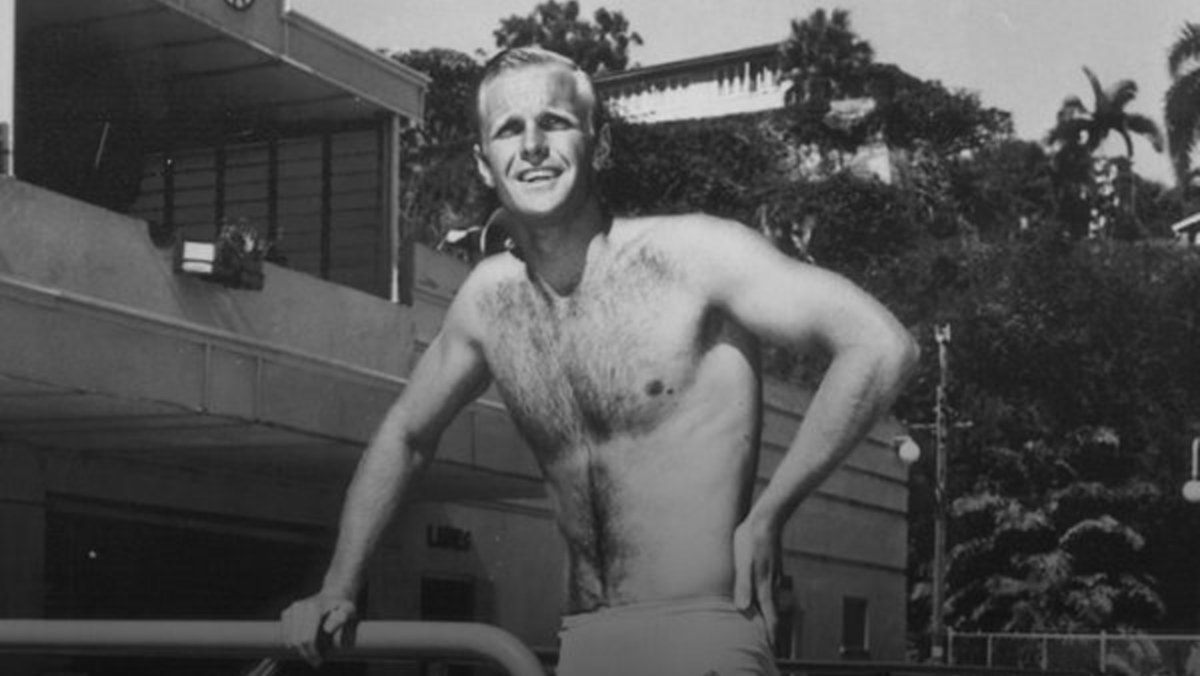
Henricks's transformation into the fastest freestyler of his era grew out of early sports science and relentless preparation under coach Harry Gallagher. Working alongside Sydney University physiology professor Frank Cotton, Henricks became the first prominent swimmer to adopt "tapering off" training before major meets, and—at his father Clyde's urging—was reputedly the first swimmer to shave his body to reduce water drag.
After deferring national service to compete in Melbourne, Henricks accepted a scholarship to the University of Southern California (USC) in 1958, winning four consecutive national collegiate titles alongside Murray Rose and meeting his future wife, Bonnie Wilkie. His bid to defend his Olympic crown at the 1960 Rome Games was derailed three days before the 100 metres final when he contracted severe gastrointestinal illness dubbed "Rome belly," leaving him too weak to advance past the semi-finals.
What It Means for Both Clubs
Within Australian swimming and the broader Olympic movement, Henricks's passing removes one of the central figures from the squad that established the nation's international reputation in the pool. Training alongside Dawn Fraser in Gallagher's squad, Henricks helped set competitive benchmarks and training innovations that modern Australian swim programs still build upon today.
Jon Henricks was a giant of the Melbourne 1956 Games and part of a remarkable generation of Australian Olympians alongside Murray Rose, John Devitt, longtime friend Dawn Fraser and many others.
Reactions and What Comes Next
Tributes have flowed from across Australian sport as officials prepare to mark seven decades since the Melbourne Games. Swimming Australia CEO Rob Woodhouse noted the poignancy of Henricks passing on the eve of the 1956 Melbourne Olympians celebration, describing him as one of the country's greatest champions and sporting pioneers.
In front of a home crowd, he won Australia's first swimming gold medal, then anchored the 4x200m relay team to a world record. That week helped establish Australia's reputation as a swimming nation, and it still inspires our athletes today.
While Henricks settled in Chicago and later Santa Barbara, California—maintaining a home in the Sydney suburb of Mosman until 2018—his legacy remains anchored in Australian Olympic history ahead of this week's 70th-anniversary commemorations.
Frequently Asked Questions
How old was Jon Henricks when he died?
Jon Henricks died at the age of 91, having been born in Sydney on June 6, 1935.
What medals did Jon Henricks win at the 1956 Melbourne Olympics?
He won two gold medals at the 1956 Melbourne Games: one in the 100 metres freestyle—leading an Australian clean sweep—and a second as anchor of the world-record-breaking 4x200 metre freestyle relay team.
Why did Jon Henricks miss the 1960 Olympic final in Rome?
Three days before the 100 metres freestyle final in Rome, Henricks contracted a severe gastrointestinal bug known as "Rome belly," which left him too weak to qualify past the semi-finals.
What swimming innovations was Jon Henricks known for?
Working with coach Harry Gallagher and physiology professor Frank Cotton, Henricks was the first prominent swimmer to use "tapering off" before major competitions and was reputedly the first to shave his body to reduce drag.