
Football fans in Australia watching the World Cup might view the tournament as a celebration of global sport, but for the Iranian national team, it has been an exhausting logistical nightmare dictated by geopolitical tension. After being forced to endure punishing cross-border sprint trips for their opening fixtures, Team Melli has finally been granted permission by United States authorities to manage their own travel plans ahead of their final group stage match. The decision follows a highly publicised standoff involving the White House, FIFA, and an Iranian squad that labeled themselves the most oppressed team in international football history.

Behind the Headlines
The restrictions imposed on the Iranian squad stem directly from the military conflict between the US and Iran that commenced on February 28. Although a fragile diplomatic breakthrough occurred when a 14-point framework peace deal was separately signed by US President Donald Trump in Versailles and Iranian President Masoud Pezeshkian in Tehran, the agreement omitted any clauses regarding eased conditions for Iranian nationals moving through US immigration. Consequently, the national football team remained subject to strict border controls that severely disrupted their tournament preparation.
Security fears forced Iran to abandon their planned training base in Tucson, Arizona weeks before the tournament. Instead, the team set up camp across the border in Tijuana, Mexico, which required them to fly into the United States under strict visas. Compounding the situation, Washington initially denied entry visas to 15 key members of Iran's backroom staff, including federation president Mehdi Taj. While four members won subsequent appeals, 11 integral personnel—including media officers and operations administrators—remain completely barred from entering US territory.
Here's What Happened
Under the initial strict protocol, the Iranian squad was only permitted to enter the United States 24 hours before kick-off and was forced to fly back to Mexico almost immediately after the final whistle. For their opening 2-2 draw against New Zealand, a short trip from Tijuana turned into a gruelling five-hour ordeal due to extensive immigration checks, leaving the team to train while exhausted. Following that match, the squad was ordered to board a plane back to Mexico just hours after leaving the pitch, completely bypassing the standard physical recovery window.
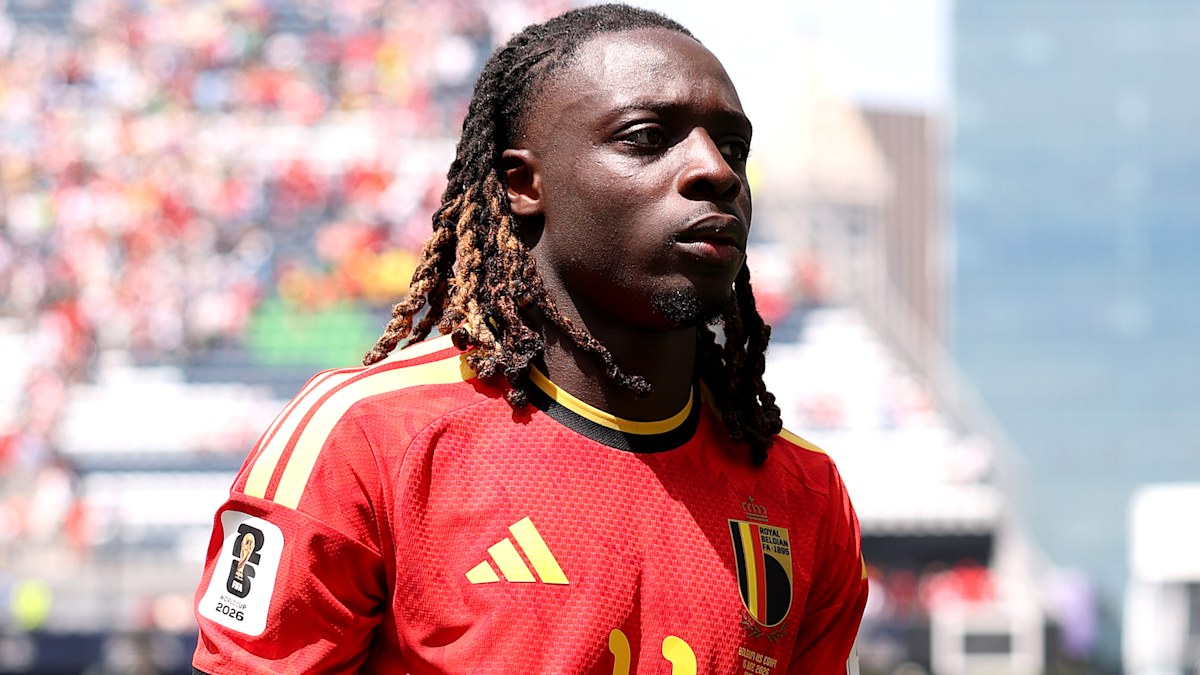
The exact same protocol was enforced for Iran's second Group G match against Belgium in Los Angeles on Sunday. The team did not arrive at their hotel until 7pm on Saturday night. Despite the exhaustion of constant travel, Iran fought out an intense 0-0 draw against the European heavyweights. Iranian goalkeeper Alireza Beiranvand pulled off an astonishing triple-save from point-blank range against Kevin De Bruyne, Romelu Lukaku, and Maxim De Cuyper, while Belgium's Nathan Ngoy was shown a straight red card for dragging down star forward Mehdi Taremi.
The unrelenting travel schedule took a heavy physical toll, forcing head coach Amir Ghalenoei to make multiple non-technical substitutions due to players suffering severe muscle cramps. The Iranian Football Federation (FFIRI) filed a formal complaint with FIFA, arguing that the border restrictions violated the tournament requirement of equal conditions for all competing teams. FIFA declined to intervene directly, stating that immigration enforcement fell entirely outside its jurisdictional boundaries.
Voices & Opinions
The rigid arrangements drew fierce criticism from the Iranian camp. Team captain Mehdi Taremi did not hide his frustration when discussing the logistics with tournament officials.
Everything is like disaster for us. In the World Cup, you have to prepare well for the next game, which is a lot of stress for the players and the staff and everyone. But we don’t have that support.
Head coach Amir Ghalenoei went further, lambasting the fact that his technical staff were cut off from planning their own itineraries during the first two match days.
Our team is the most oppressed one in the whole World Cup. The decision-making for us is being made elsewhere. They delayed our arrivals and they are forcing us to go back early without time for recovery.
Andrew Giuliani, the executive director of the White House Task Force for the tournament, defended the border protocols as a necessary balance. Giuliani maintained that while no credible intelligence threats had been identified, the measures were required to protect both American citizens and international visitors. However, following the conclusion of the match against Belgium, Ghalenoei revealed that US officials finally conceded to a policy shift, telling the team they can enter earlier and make their own travel arrangements for the final group stage fixture in Seattle.
The Bigger Picture
This logistical battle has shone a harsh spotlight on the intersection of geopolitics and international sport, highlighting how strict immigration enforcement can compromise player welfare. For international football tournaments to maintain integrity, host nations must guarantee standard athletic conditions, including mandatory post-match physical recovery. The sudden policy shift proves that the pressure from the Iranian federation and the visibility of the World Cup stage eventually forced a pragmatic administrative compromise.

The situation has been further complicated by the unique atmosphere inside the American stadiums. Los Angeles is home to the largest Iranian diaspora outside of Iran, and the stands have been filled with thousands of Iranian-American fans. The crowd has presented a deeply divided front; many fans vocally booed and turned their backs during the playing of the official national anthem to protest the regime in Tehran, yet instantly united to roar their support for the individual players on the pitch once the games commenced.
The Road Ahead
With two points secured from their opening two draws against New Zealand and Belgium, Iran remains firmly in contention to advance past the group stage for the first time in their history. Armed with their newly granted travel flexibility, Team Melli will fly to Seattle early to prepare for a crucial, high-stakes final group match against Egypt next week. Meanwhile, the White House Task Force and FIFA will continue hourly discussions to monitor tournament security ahead of the knockout rounds.
Frequently Asked Questions
Why was the Iranian World Cup team forced to stay in Mexico?
Due to the ongoing conflict between the United States and Iran, the squad was denied permission to establish a standard training base inside the US. They were forced to base themselves in Tijuana, Mexico, and fly across the border for games.
What travel restrictions were placed on the Iran squad?
For their first two group matches, the players were only permitted to enter the United States 24 hours before kick-off and were required to fly back to Mexico immediately after the final whistle, severely limiting their recovery time.
Did any Iranian players or staff get denied US visas?
Yes. While all players received visas, Washington blocked entry for 11 key backroom staff members, including the Iranian Football Federation president Mehdi Taj and multiple media officers, citing derogatory background information.
How did FIFA respond to Iran's formal travel complaint?
FIFA declined to intervene in the logistical dispute, stating that sovereign immigration enforcement and border control protocols remain entirely outside its official jurisdiction.
Are the travel rules changing for Iran's next World Cup match?
Yes. Following intense criticism, US authorities confirmed that the travel protocol will be eased for the third match in Seattle, allowing the Iranian team to arrive earlier and control their own scheduling.