Why are DC’s IPL hopes hanging by a thread after the KKR clash?
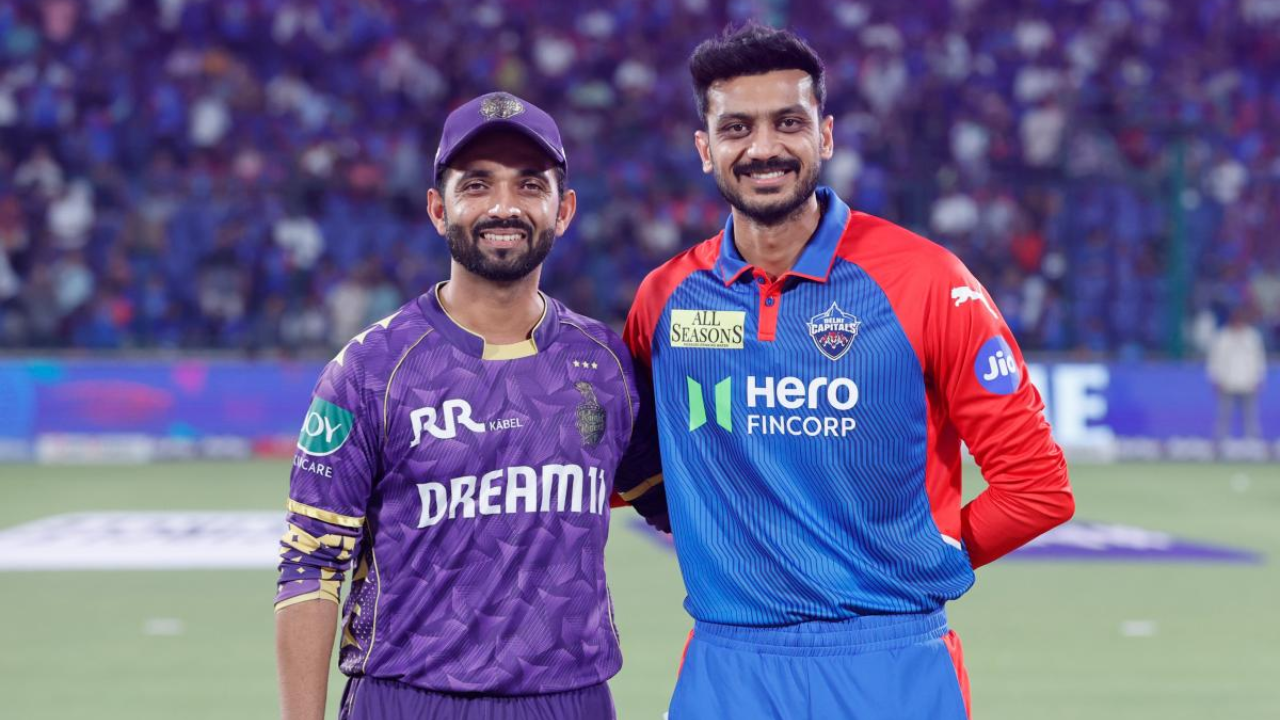
Delhi Capitals stumbled to a shaky 142 against Kolkata Knight Riders in IPL 2026 on Friday night, with KKR gaining the upper hand early in the chase after Ajinkya Rahane won the toss and chose to bowl first. The result has put fresh pressure on Delhi’s middle order and reignited questions around whether their batting unit can cope against elite spin attacks.
For Australian cricket fans following the IPL closely, this one had a familiar feel — aggressive powerplay bowling, clever spin in the middle overs, and a batting collapse that changed the entire tone of the match.
The Full Story
Delhi Capitals came into the contest needing stability, but instead produced another uneasy batting performance. KKR’s bowling attack, led by the spin duo of Varun Chakravarthy and Sunil Narine, squeezed the run flow from the middle overs and forced Delhi’s batters into risky strokes.
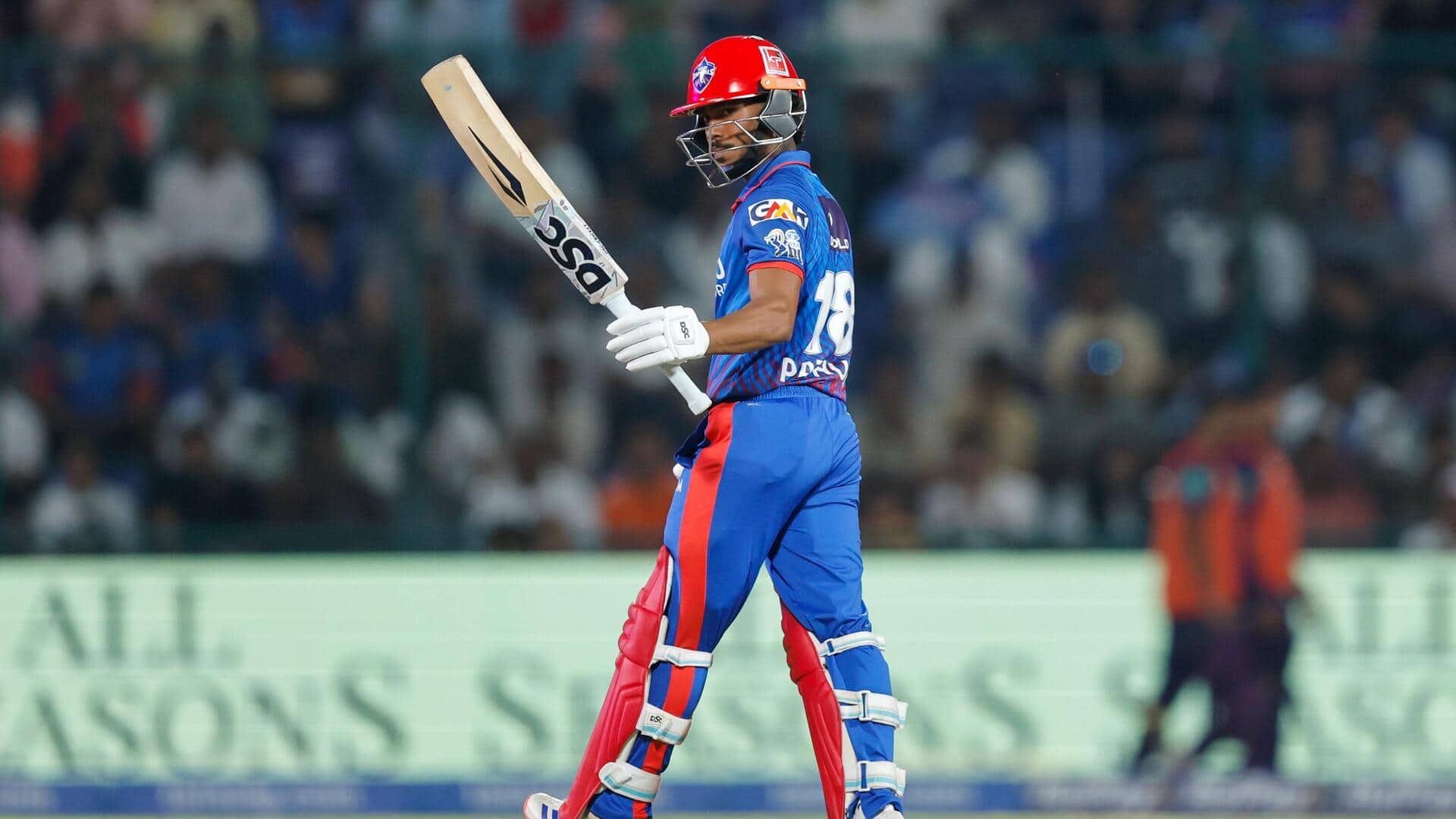
Pathum Nissanka was one of the few bright sparks for Delhi, reaching a composed half-century while wickets kept falling around him. His innings briefly steadied the side, although the lack of partnerships meant DC never built real momentum. By the final overs, 142 looked below par on a surface that offered decent value for shot-makers willing to settle in.
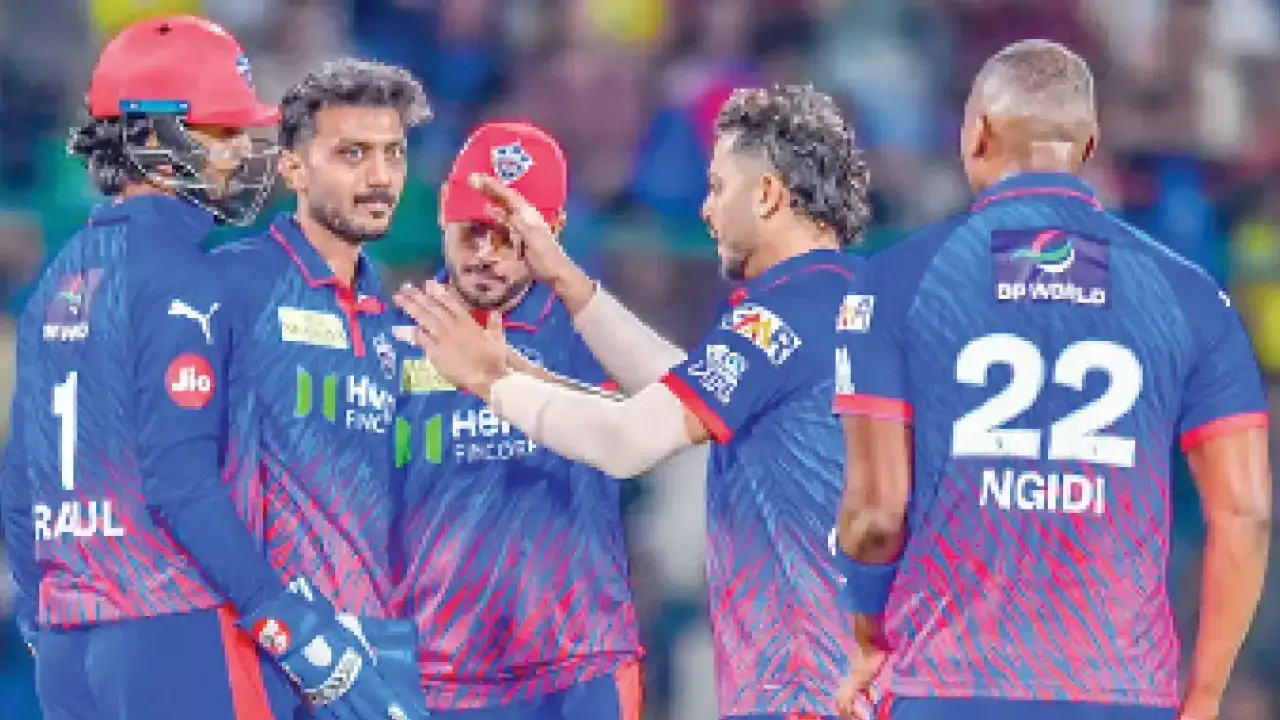
Then came the early drama in the chase. Delhi’s bowlers struck quickly, removing both Ajinkya Rahane and youngster Angkrish Raghuvanshi during the powerplay. Kuldeep Yadav and Axar Patel targeted Rahane with tight angles and slower deliveries, exactly the matchup many analysts had flagged before the game.
What’s interesting is how KKR still managed to look calmer than Delhi despite losing early wickets. That composure has become part of their identity this season. Meanwhile, DC’s body language hinted at a side carrying the weight of previous collapses. That’s the sort of pressure that can snowball pretty quickly.
You might be wondering why 142 looked so fragile. In modern IPL cricket, totals below 150 rarely feel safe unless the pitch is sharply turning or slowing down dramatically. KKR knew they only needed one solid partnership to tilt the match back their way.
- Powerplay
- The opening six overs of an innings when fielding restrictions apply.
- Middle overs
- The phase between overs 7 and 15, often dominated by spin bowlers.
- Strike rate
- A batter’s scoring speed measured by runs per 100 balls faced.
The Main Players
Ajinkya Rahane once again captained KKR and made the crucial call at the toss to bowl first, trusting his spinners to control the match.
Pathum Nissanka produced Delhi’s standout batting contribution with a steady half-century under pressure.
Kuldeep Yadav and Axar Patel gave Delhi early hope during the chase by attacking KKR’s top order with disciplined spin bowling.
Varun Chakravarthy and Sunil Narine continued to prove why they remain one of the IPL’s most difficult spin combinations to attack.
We wanted to put them under pressure straight away and keep things simple.
Key Statistics
142 — Delhi Capitals’ total after struggling through the middle overs.
43/2 — KKR’s score after six overs during the chase despite early wickets.
50+ — Pathum Nissanka’s valuable contribution in an otherwise shaky innings.
For context, IPL teams chasing totals under 150 generally win far more often than they lose, especially when wickets are in hand entering the second half of the innings.
What This Means
For Delhi Capitals, this match exposed an issue that keeps resurfacing: their inability to accelerate against high-quality spin. That matters because most playoff contenders this year have at least one elite spin option capable of slowing games down.
Australian fans following players across the IPL circuit will also notice how tactical the tournament has become. Big hitting still grabs headlines, but matches like this are often decided by bowling matchups and captaincy decisions rather than brute force alone.
Here’s the thing. KKR look increasingly balanced heading into the business end of the season, while Delhi appear stuck searching for batting rhythm. It’s getting a bit hairy for DC now.
What to Expect
Delhi Capitals are likely to reassess their batting order ahead of their next fixture, particularly the approach against spin through overs seven to fifteen.
KKR, meanwhile, will continue leaning heavily on their bowling group as they push for a stronger playoff position.
Fans can follow the latest live IPL updates here.
FAQ
What was Delhi Capitals’ total against KKR?
Delhi Capitals scored 142 runs in their IPL 2026 match against Kolkata Knight Riders.
Who won the toss in DC vs KKR?
Ajinkya Rahane won the toss for KKR and chose to bowl first.
Who top-scored for Delhi Capitals?
Pathum Nissanka made a fighting half-century for Delhi Capitals.
Why was 142 considered a low score?
IPL teams regularly chase totals below 150, especially on balanced batting pitches.
Which bowlers troubled Delhi Capitals the most?
Varun Chakravarthy and Sunil Narine controlled the middle overs with spin.

Resources
Sources and references cited in this article.
![Apple Watch Series 11 [GPS 42mm] Smartwatch with Rose Gold Aluminum Case with Light Blush Sport Band - S/M. Sleep Score, Fitness Tracker, Health Monitoring, Always-On Display, Water Resistant](https://m.media-amazon.com/images/I/6110Jv9wqeL._AC_SL1500_.jpg)
