
Tech consumers across Australia are facing a major shift in smartphone design priorities as the latest supply-chain details for Apple’s upcoming flagship devices emerge. For years, the local market has been flooded with razor-thin premium devices that often compromise on real-world endurance. However, the next generation of premium hardware looks set to fundamentally rewrite the rules of mobile design, directly impacting how long your next handset will last on a single charge and exactly how much it will cost you at checkout.

The Backstory
For more than a decade, smartphone manufacturers have been locked in an intense industry race to deliver the slimmest possible form factors. This persistent focus on aesthetics often left hardware engineers with restricted internal real estate, limiting battery capacities and thermal management capabilities. Premium buyers have routinely voiced frustration over flagship devices that struggle to survive a full day of heavy reliance, especially when running demanding processing tasks or extensive wireless data connections.
Meanwhile, the rapid rise of on-device artificial intelligence and highly complex mobile camera systems has pushed modern internal hardware to its absolute limits. Processing next-generation AI tasks requires robust neural engines that generate significant thermal energy and consume substantial amounts of power. Because of these new technical demands, maintaining a sub-8mm chassis has rapidly evolved from a design triumph into a severe engineering bottleneck that restricts actual device performance.
Compounding this hardware pressure is an unprecedented surge in the global semiconductor supply chain. Mobile memory costs have climbed drastically through the first half of 2026, driven by intense competition from artificial intelligence data centres for high-tier dynamic random-access memory. These compounding component shortages have forced consumer technology brands worldwide to re-evaluate their pricing baselines and structural designs ahead of the major spring retail window.
Here's What Happened
Extensive regulatory filings and international supply-chain reports indicate that Apple is preparing a radical industrial design pivot for its upcoming smartphone lineup. According to detailed database filings discovered in China and the United States, the upcoming flagship models will feature a substantial increase in physical thickness and overall weight. The changes are directly tied to an aggressive hardware expansion aimed at resolving long-standing consumer complaints regarding mobile battery life.
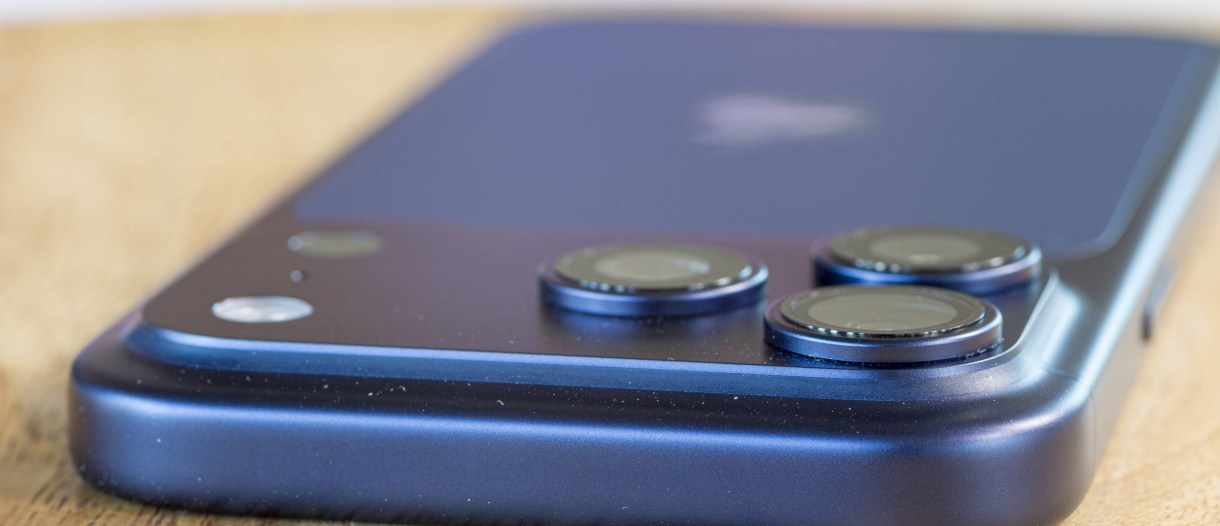
The structural adjustment is poised to make the premium variants the thickest flagships seen in nearly a decade. Reports from industry insiders indicate the standard pro model could expand in thickness by up to 2mm over its predecessor, pushing the total depth of the chassis past the 1cm mark. This extra space will accommodate a mechanically complex variable-aperture main camera system, an expanded telephoto module, and a stainless-steel vapor-chamber cooling network designed to handle high thermal loads.
Official documentation reveals that the physical expansion directly accommodates much larger power cells. The top-tier flagship configuration is slated to receive a massive 5,391mAh battery for the Chinese market, while the U.S. variant—which lacks a physical SIM tray—will pack a 5,567mAh capacity. This represents a substantial power increase over the previous generation, which utilized smaller 4,823/5,088mAh capacities. Even the standard pro tier will see its battery capacity climb to 4,056mAh and 4,288mAh across respective regional configurations.
However, this added utility comes alongside a substantial financial hurdle for prospective buyers. Financial analysts project that entry-level pro configurations will face a direct retail price increase of roughly $200, pushing the base pricing baseline significantly higher. The market adjustment is largely attributed to surging costs for LPDDR5X mobile memory, which has seen average contract prices skyrocket by 78% to 83% quarter-over-quarter, forcing manufacturers to pass the steep bill directly to the consumer market.
What People Are Saying
Industry analysts emphasize that Apple possesses the market leverage required to alter global consumer expectations without suffering a severe retail backlash. Highlighting this unique market positioning, Francisco Jeronimo, vice president of client devices at international research firm IDC, observed how this design philosophy will ripple outward across the broader mobile manufacturing sector.
Apple’s scale gives it a unique ability to redefine design norms without facing the backlash that smaller brands would. When they decide that thicker is acceptable—even desirable—it gives the entire Android ecosystem permission to stop chasing millimetres and start chasing function.
The strategic timing of the release also provides a distinct competitive cushion. By maintaining its traditional late-third-quarter launch window, the tech giant allows its main rivals to bear the initial brunt of consumer resistance to higher retail pricing baselines. This tactical delay gives marketing teams a significant window of observation before deploying their own premium campaigns for the peak end-of-year holiday shopping season.
The physical changes have also highlighted an internal strategic shift toward prioritizing daily functional utility over purely aesthetic minimalism. For consumer segments focused entirely on device portability, the upcoming product rollout is expected to introduce a sharply segmented ecosystem, positioning an ultra-slim alternative model alongside the bulkier, high-performance pro hardware configurations.
The Bigger Picture
This structural transformation carries significant practical implications for the everyday user experience. When paired with the efficiency optimization of next-generation 2-nanometer processing chips, the massive battery upgrade is projected to extend real-world mobile operating endurance by three to five hours on a single charge. This functional gain directly addresses the primary criterion for modern mobile buyers, heavily outweighing historical preferences for ultra-thin physical profiles.
The physical expansion also signals a major turning point for mobile photography engineering. For years, manufacturers have relied on aggressive software algorithms to compensate for restricted physical camera optics. Squeezing robust variable-aperture systems and larger stacked image sensors into a chunkier chassis allows the hardware to capture authentic depth and light variations natively, bypassing the processing limitations of traditional sub-8mm designs.
Furthermore, the universal deployment of the upcoming iOS 27 operating system across the entire active device portfolio aims to prevent software fragmentation. While competing platforms frequently suffer from staggered, regional software rollouts across multiple distinct device brands, the unified day-one deployment ensures that critical on-device artificial intelligence features and security protocols become active simultaneously for millions of upgraded users.
The Road Ahead
The tech sector is moving swiftly toward a major retail showdown this coming spring. Apple is widely expected to formally unveil its redesigned pro hardware configurations alongside a highly anticipated folding model at its traditional early September keynote presentation. Meanwhile, competing manufacturers like Samsung are moving their own hardware timelines forward, preparing to debut re-shaped wide-screen foldable devices at an upcoming event in London to capture early market attention.
Local consumers looking to upgrade their hardware ecosystem will need to evaluate whether these tangible gains in daily battery endurance and optical performance justify the incoming price hikes. For those who find the premium tier updates too costly, the current market generation is expected to remain on shelves at reduced price points, offering a stable entry point into the brand's expanding artificial intelligence ecosystem.
Frequently Asked Questions
Why are premium mobile devices suddenly getting thicker and heavier?
Manufacturers are expanding device thickness to accommodate significantly larger battery capacities, advanced cooling systems, and complex mechanical camera hardware. This structural shift prioritizes day-to-day functional performance and thermal efficiency over thin profiles.How much of an increase in battery capacity can buyers expect?
The top-tier flagship configurations are slated to receive battery upgrades of nearly 500mAh, pushing total capacities up to 5,391mAh and 5,567mAh depending on the regional SIM hardware configuration. This can add an estimated three to five hours of real-world use.
What is causing the projected retail price increases?
Steep price increases are driven by severe supply-chain cost inflation within the global semiconductor market. Increased demand from AI datacenters has caused mobile memory contract prices for premium components to surge by up to 83% quarter-over-quarter.
When will these new flagship models become available to the public?
The official hardware reveals are projected to take place during the annual early September launch window, following an extensive multi-week public beta testing period for the accompanying iOS 27 operating system software.