

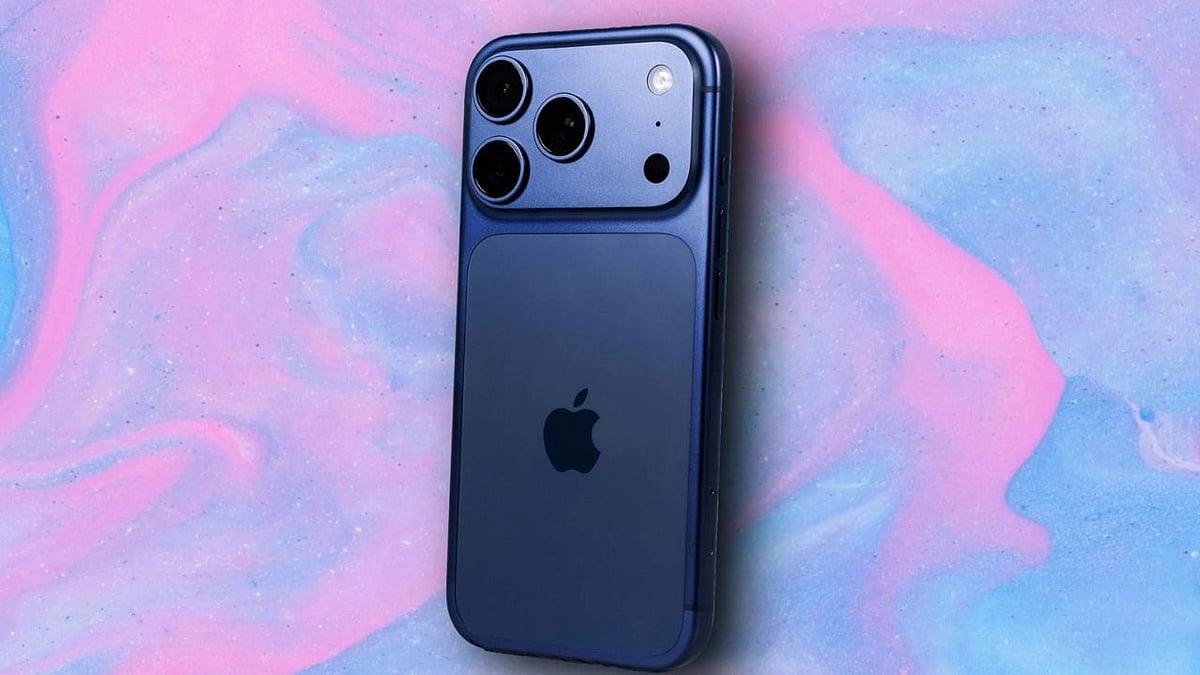
A major supply-chain data breach has revealed that Apple’s upcoming iPhone 18 Pro Max will feature a groundbreaking physical variable aperture camera system, marking one of the most substantial imaging overhauls in the product’s history. The massive 630GB trove of internal files leaked by ransomware group World Leaks from manufacturer Tata Electronics has laid bare the tech giant’s confidential hardware specifications. This unexpected data exposure gives consumers an unvarnished look at the premium handsets weeks before Apple executive John Ternus is scheduled to take the stage for the official autumn rollout.
What We Know So Far
The leaked image signal processor (ISP) diagnostics logs detail a dramatic shift in Apple’s mobile photography blueprint. According to the internal documentation, the iPhone 18 Pro Max will swap out its previous primary camera sensor for a new Sony IMX905 sensor. While the native pixel size remains locked at 1.22μm, the true engineering marvel lies in the mechanical lens assembly. Unlike the rigid, fixed f/1.78 lenses found on older iterations, this mechanical variable aperture system allows the camera to dynamically adjust how much light hits the sensor, providing authentic physical depth of field rather than relying on digital software trickery.
To pull off these intensive hardware upgrades while taming the severe components market pressures, Apple is executing an intricate engineering and pricing strategy. Analysts parsing the supply chain tracking reports project that the memory chip components alone will cost Apple $150 more per unit than previous builds, a byproduct of the global semiconductor constraints colloquially termed "RAMageddon." Consequently, industry projections place the retail entry point for the iPhone 18 Pro Max at $1,299, with premium variants potentially climbing to $1,499. This pricing structure is partly buffered by Apple’s high-margin digital ecosystem, where services like Apple Music, Apple TV+, and iCloud generate steady baseline returns.
The internal architecture is anchored by TSMC’s cutting-edge 2-nanometer manufacturing node, giving life to the new A20 Pro system-on-a-chip. Moving to the N2 process allows engineers to pack more transistors onto the die, promising a 30% leap in energy efficiency. To combat internal thermal throttling during sustained computing loads—such as running local generative AI models or processing Apple Intelligence commands—the phone incorporates internal graphene cooling sheets. This silicon evolution is paired with a standardized 12GB of LPDDR5X RAM stacked directly onto the chip die using advanced Wafer-Level Multi-Chip Module packaging to eliminate processing latency.
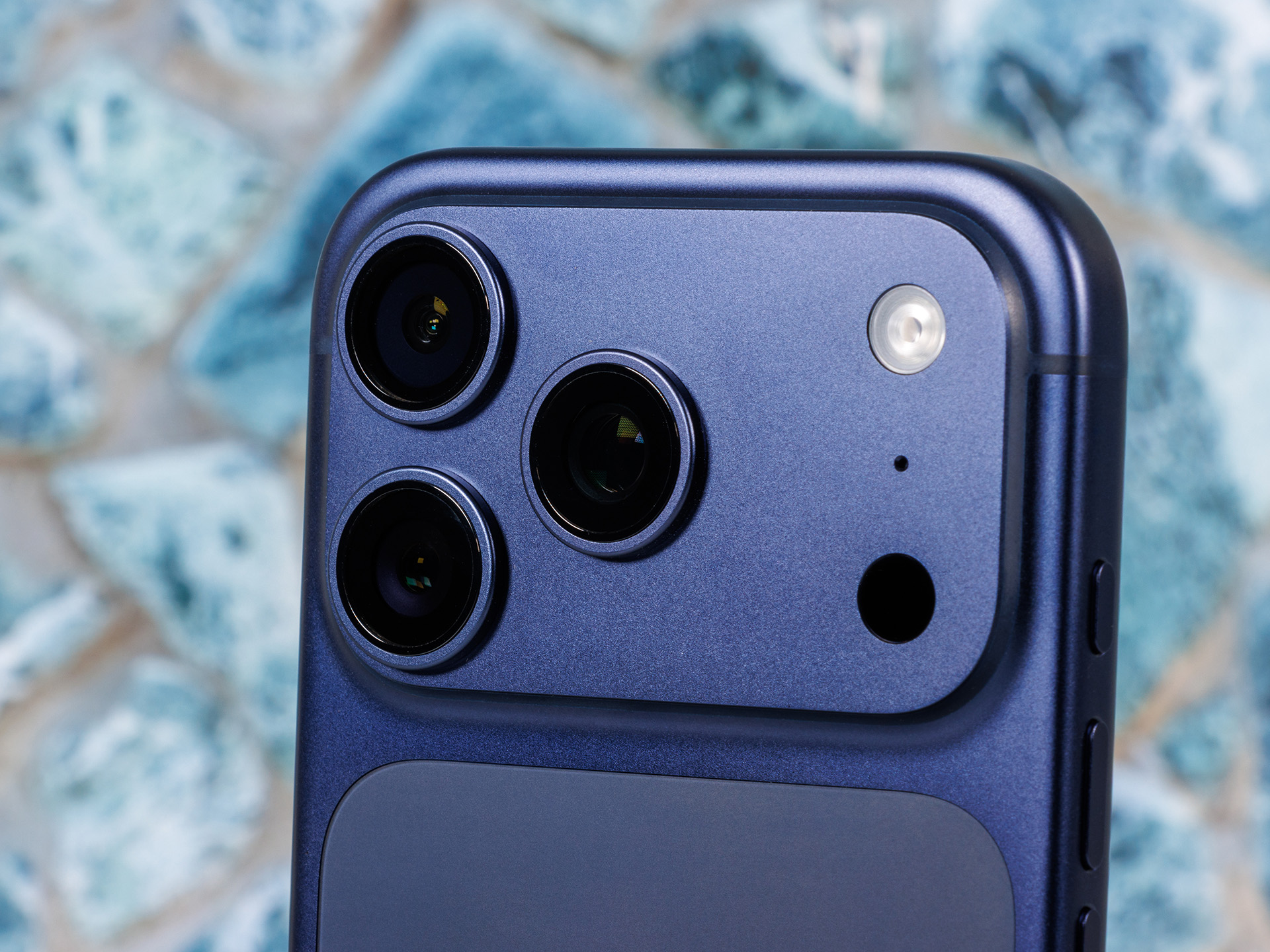
The physical profile of the handset will see a slight bulk increase to house these components. The chassis is expected to be a quarter of a millimeter thicker and tip the scales near 240 grams, an increase of 7 grams that crowns it as the heaviest flagship Apple has constructed. This physical trade-off accommodates a monster battery capacity upgrade, though supply-chain files show the physical battery will vary by region due to component space constraints. US variants utilizing exclusive eSIM technology will carry a massive 5,425mAh battery, while international models requiring a physical SIM tray will max out at 5,235mAh.
Reactions & Responses
While Apple corporate headquarters has maintained its traditional wall of silence regarding the supply chain data breach, senior leadership has already begun preparing consumers for an inevitable hit to their wallets. In an interview with the Wall Street Journal regarding macroeconomic pressures, outgoing executives have laid the groundwork for a more expensive premium tier.
Price increases are unavoidable.
Meanwhile, software engineers and product designers are actively framing the conversation around user boundaries in the generative computing era. At a recent tech seminar, the company’s software division made it clear that the revamped, Gemini-powered Siri framework is designed strictly for task optimization rather than companionship.
Siri really wants to say, 'I can help you get things done. I can help you learn about the world.' But if you try to engage Siri as a romantic partner, Siri's not up for that. Siri's 100 percent not into that.
On the Ground
For technology enthusiasts down under, this leak changes the math on consumer technology lifecycles. Historically, local buyers have leaned heavily on a thriving secondary market to purchase refurbished devices. However, the hardware reality of Apple Intelligence creates a stark divide; older models trapped with 8GB of RAM simply cannot run the local neural processing models built into the upcoming iOS 27 system, threatening to accelerate the depreciation of older devices across local trading groups.
The technical papers also expose a divergent cellular strategy that directly affects local connectivity speeds. Apple is deploying its custom-designed C2 wireless modem to break its reliance on third-party suppliers, bringing native NR-NTN satellite connectivity to the field. Interestingly, the documents indicate US models will retain specialized modems to support local mmWave 5G architectures, whereas international models shipping to regions like Australia will rely on the integrated C2 modem, a practical adjustment given the differing deployment of regional high-frequency networks.
Coming Up
Historical release calendars point to a highly predictable launch schedule for the premium hardware tier. Analysis of Cupertino’s logistical patterns indicates the official special keynote event is tracking toward Wednesday, September 9, 2026. Following this timeline, global consumer pre-orders are expected to open on Friday, September 11, with the official operating system update, iOS 27, arriving on Monday, September 14. The physical retail rollout and shipping dates for the iPhone 18 Pro and iPhone 18 Pro Max are set to commence on Friday, September 18, 2026, while the standard base models are projected to be delayed until a split launch sequence in early 2027.
At a Glance
- Massive Data Leak: A 630GB Tata Electronics supply breach confirmed the technical roadmap for the upcoming flagship devices.
- Mechanical Camera Upgrades: The flagship replaces its fixed main lens with a Sony IMX905 sensor supporting variable physical aperture.
- Silicon Leap: The A20 Pro processor is built on TSMC’s 2nm node, boosting energy efficiency by 30% alongside a standard 12GB RAM layout.
- Battery Realities: US eSIM variants receive a 5,425mAh tank, while international physical SIM versions top out at 5,235mAh.
- Pricing Surge: Increased component overhead driven by memory shortages pushes projected base pricing to a premium $1,299.
Frequently Asked Questions
When is the iPhone 18 Pro Max release date?
Based on historical scheduling patterns and supply chain tracking, Apple is expected to hold its official keynote on September 9, 2026, with retail shipping starting on September 18, 2026.
What is the leaked price of the iPhone 18 Pro Max?
Due to rising component expenses and global memory shortages, industry analysts estimate the iPhone 18 Pro Max will start at approximately $1,299, with higher tier models reaching up to $1,499.
What camera sensor does the iPhone 18 Pro Max use?
The leaked internal logs confirm that Apple is upgrading the primary camera module to a Sony IMX905 sensor featuring a mechanical variable aperture mechanism.
Why is the international battery capacity smaller than the US model?
The US version utilizes exclusive eSIM technology, freeing up physical internal real estate to house a 5,425mAh battery. International models require a physical SIM card tray, capping the physical battery size at 5,235mAh to accommodate the slot.