
Last updated: August 4, 2026
Wildfire Smoke Hits Eastern Fraser Valley and Vancouver Island — Air Quality Warning Issued
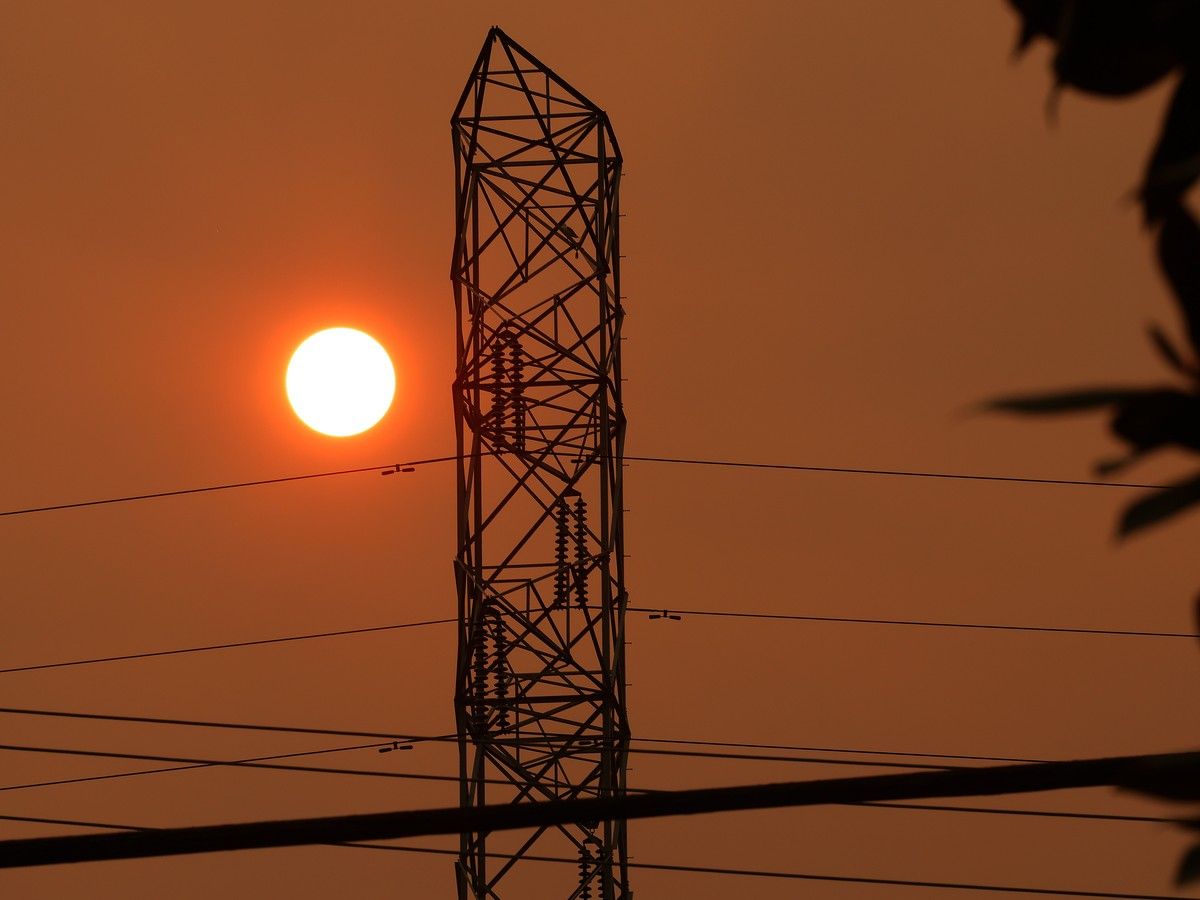
Smoke from more than 130 active wildfires in the British Columbia Interior and Washington state has drifted across the South Coast, triggering a severe air quality warning for the Eastern Fraser Valley. High winds, rising temperatures, and shifting weather patterns are driving dense plumes of fine particulate matter directly toward heavily populated regions, leaving residents searching for real-time updates on health risks and haze forecasts.

What People Are Searching For
Residents across Lower Mainland and Vancouver Island are searching for clarity on whether the haze outside their windows poses an immediate health threat, why air quality index levels differ so drastically between nearby communities, and how long the smoky conditions will linger. Searches spiked after Environment Canada and Metro Vancouver issued official advisories on August 4, 2026, warning that particulate pollution had reached levels capable of impacting human health.
What Is Confirmed
Official monitoring confirms that a combination of high heat, lightning strikes, and erratic winds has intensified wildfire activity across British Columbia. Key facts established by government agencies and health experts include:
- Air Quality Alert: Environment Canada and Metro Vancouver issued an air quality warning covering Chilliwack, Agassiz, and Hope due to smoke from fires near Boston Bar and the B.C. Interior.
- High Health Risk: Metro Vancouver's air quality health index for the Eastern Fraser Valley measured above 10 on Tuesday morning, placing it in the "very high risk" category.
- Active Fires: The BC Wildfire Service reported over 130 active wildfires burning provincewide, with 35 new starts recorded within a single 24-hour period.
- Long-term Health Impacts: According to the B.C. Lung Foundation's State of the Air report, fine particulate matter (PM2.5) contributes to roughly 1,900 premature deaths in B.C. every year.

Medical professionals emphasize that inhaling fine particles causes immediate physiological stress. Dr. Chris Carlsten, professor of medicine and head of respiratory medicine at the University of British Columbia, explained the biological impact on the human body:
Visits to hospital, visits to physicians, use of medications for asthma has increased in association with the worsening air quality due to fires.
What Is Unconfirmed
While regional smoke forecasts provide short-term projections, several critical variables remain unconfirmed as fire crews contend with unpredictable conditions:
- Exact Duration: Smoke concentration depends heavily on shifting wind patterns; exact timelines for clear air in specific neighborhoods cannot be guaranteed beyond 24 to 48 hours.
- Metro Vancouver Advisory Extension: While Metro Vancouver proper maintained a low-risk rating of 1 on Tuesday morning, officials noted that changing northeast wind flows could push denser smoke into the core urban area without advance notice.
- Full Extent of New Starts: The precise status of uncontained holdover fires caused by recent lightning storms remains under continuous assessment by field teams.
The Bigger Picture
The latest air quality warnings highlight a broader trend facing western Canada: wildfire smoke has officially surpassed industrial and vehicular emissions as the primary source of fine particulate pollution in B.C. While nitrogen dioxide and sulphur dioxide levels have steadily declined over the past three decades due to stricter environmental regulations, PM2.5 levels are climbing in tandem with longer, hotter wildfire seasons. Climate scientists point out that elevated carbon dioxide emissions and higher summer temperatures are turning once-unprecedented fire years into the baseline seasonal expectation.
Latest Status
As of Tuesday, August 4, 2026, an air quality warning remains active for the Eastern Fraser Valley, with lingering haze reported across Greater Victoria and Southern Vancouver Island. A strengthening ridge of high pressure will maintain hot, dry conditions across the B.C. Interior for the next 5 to 7 days, eliminating chances of rain and keeping fire danger ratings at extreme levels. Health authorities recommend that vulnerable populations—including seniors, pregnant individuals, children, and people with pre-existing heart or lung conditions—limit strenuous outdoor activity and utilize portable HEPA filtration units indoors.
Frequently Asked Questions
Why is there a wildfire smoke warning in Chilliwack, Agassiz, and Hope?
Environment Canada issued an air quality warning due to high concentrations of fine particulate matter drifting from nearby wildfires near Boston Bar and the B.C. Interior. Shifting wind flows pushed dense smoke directly into the Eastern Fraser Valley.
Is Vancouver Island currently under an official air quality advisory?
No official warning has been issued for Vancouver Island by Environment Canada, but smoke forecasts indicate low to medium concentrations of haze lingering over Greater Victoria and areas as far north as Courtenay through Thursday morning.
What health risks are associated with PM2.5 exposure from wildfire smoke?
Fine particulate matter enters deep into the lungs and bloodstream, causing immediate airway inflammation and increasing the long-term risk of heart attack, stroke, respiratory illness, and aggravated asthma symptoms.
How can residents protect indoor air quality during smoky days?
Health officials recommend keeping windows and doors closed, running air conditioning units on recirculate mode, and using portable HEPA air filters. Those without air conditioning are advised to seek relief in public cooling centers or libraries.
How long will the smoky conditions in southern B.C. last?
Poor air quality is projected to persist until weather patterns change. With high temperatures and dry weather forecast across B.C. for the next 5 to 7 days, smoke levels will remain sensitive to fire activity and wind direction.