
Elon Musk says Grok Imagine will produce a full-length version of Homer’s The Odyssey before the end of 2026, directly challenging the conversation surrounding Christopher Nolan’s blockbuster adaptation. Musk described his planned film as “historically accurate” and “true to the art of Homer” after sharing a three-minute AI-generated scene on X. The announcement turns his months-long criticism of Nolan’s casting into a bigger test: whether generative AI can realistically produce a feature-length movie that audiences will treat as more than a technological demonstration.
What Is Happening
Musk announced on X that Grok Imagine, an AI image and video platform, would make a feature-length Odyssey before the year ends. He shared a three-minute sequence that a user said had been generated with Grok Imagine and depicted Odysseus with the nymph Calypso.
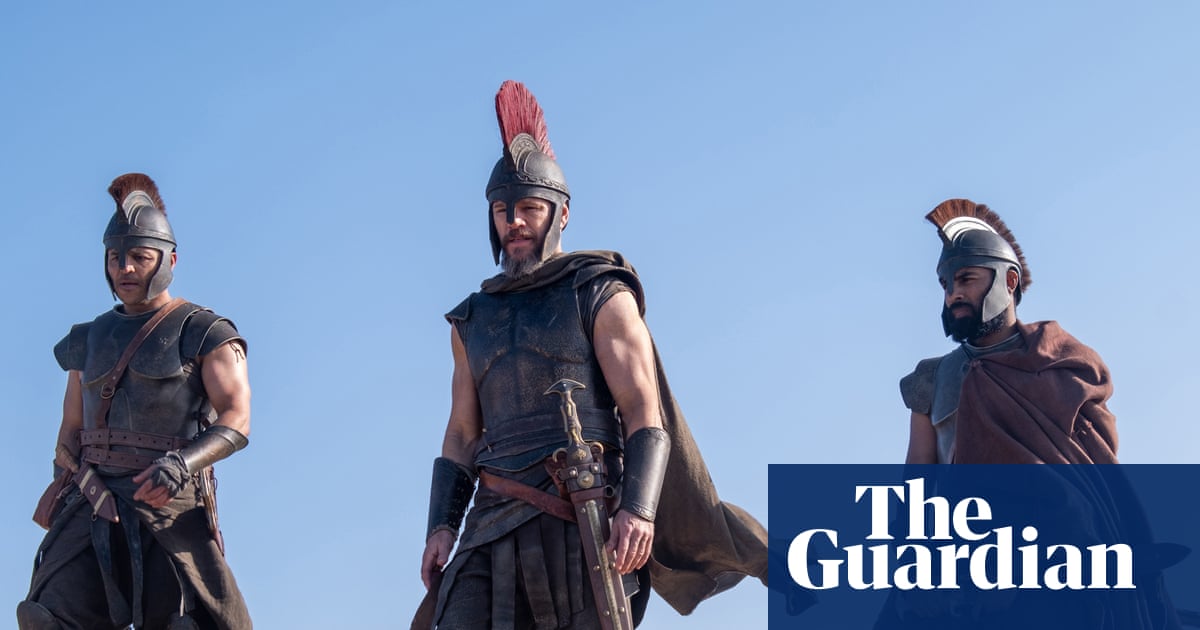
The promise follows repeated criticism from Musk of Nolan’s version, particularly its casting. Nolan’s film stars Matt Damon as Odysseus and includes Lupita Nyong’o as Helen of Troy and Elliot Page as Sinon. Musk has argued that the production’s casting conflicts with his view of historical authenticity.
His proposed alternative is arriving after Nolan’s film became an immediate commercial success. The Guardian reported a US$264 million worldwide opening weekend, while Forbes later cited worldwide grosses above US$282 million after less than a week in theatres.
The Background
Musk had criticized Nolan’s production for months before its release. His objections centred heavily on the film’s diverse cast, and he repeatedly posted criticism of Nyong’o’s casting. Nolan responded to pre-release backlash by arguing that conversations about a film before audiences have actually seen it are disconnected from the finished work.

The argument over “historical accuracy” is complicated by the source material itself. Homer’s epic contains mythological figures and supernatural events, and scholars cited by Forbes disputed the idea that modern racial categories can simply be imposed on ancient Greek storytelling. The debate therefore involves interpretation as much as literal reconstruction.
There is also a broader technological argument. Nolan has rejected the idea that AI can simply replace human creativity, while a separate AI-generated Odyssey project shows that low-cost feature filmmaking is already being attempted outside traditional studios.
The Latest Development
Musk’s statement changed the story from criticism to a concrete production promise. He wrote that Grok Imagine would create the movie before the end of 2026, although no release date, distribution plan, production budget or detailed creative team was identified in the supplied reporting.
He also responded positively to a suggestion that filmmaker Mel Gibson receive US$100 million to make another adaptation using Homeric Greek and historically accurate ships, armour and weapons. That idea was raised by another X user rather than announced as a confirmed film project.

The announcement also drew a sharp response from director Scott Derrickson, known for Doctor Strange and The Black Phone, who publicly rejected Musk’s views on cinema. That reaction highlights how the dispute now extends beyond one film’s casting and into a larger disagreement over who can make feature films, what creative labour AI may replace, and how audiences will judge machine-generated work.
What It Means
The most consequential part of Musk’s announcement is not another adaptation of a public-domain story. It is the scale of the promise. Producing a coherent full-length film requires consistent characters, performances, editing, dialogue, sound and visual continuity across far more material than a short AI clip.
A separate project reported by The Hollywood Reporter illustrates the pressure on traditional production economics. AI filmmaker Ash Koosha created a 135-minute film titled Odysseus: The Fall for a few thousand dollars and without actors, according to the publication. Its creators argue that AI could let filmmakers create large-scale visual stories without conventional studio budgets.
For Canadian audiences, the immediate significance is cultural rather than regulatory or economic: one of the year’s biggest theatrical releases is becoming a live case study in whether AI-generated features can compete for attention alongside expensive human-led productions. Nolan’s strong box-office performance also shows that enthusiasm for traditional large-scale filmmaking remains substantial.
What Remains Unclear
Musk has stated a deadline, but the supplied sources do not establish how the proposed movie will be produced, financed, distributed or exhibited. They also do not confirm whether the three-minute clip he shared represents the intended visual quality, cast design or production pipeline for the final feature.
The meaning of “historically accurate” is unresolved as well. The Odyssey is an ancient epic containing mythical people, creatures and events, while scholars quoted in the reporting dispute attempts to apply modern racial assumptions directly to its characters.
Most importantly, there is no evidence yet that Grok Imagine has completed the promised feature. The announcement is confirmed; the finished movie is not.
Frequently Asked Questions
Is Elon Musk making an AI version of The Odyssey?
Musk says Grok Imagine will make a full-length adaptation of Homer’s The Odyssey before the end of 2026.
Has Musk released the full AI Odyssey movie?
No. The supplied reports mention a three-minute AI-generated scene shared by Musk, not a completed feature film.
Why is Musk criticizing Christopher Nolan’s The Odyssey?
His criticism has focused mainly on casting decisions, particularly Lupita Nyong’o as Helen of Troy and Elliot Page as Sinon, and on his claim that his preferred version would be more historically accurate.
How successful is Christopher Nolan’s The Odyssey?
The film opened with about US$264 million worldwide, with Forbes later reporting more than US$282 million globally after less than one week.
Can The Odyssey be historically accurate?
The question is disputed because Homer’s story combines an ancient setting with mythology and supernatural events. Scholars cited in the reporting also challenge applying modern racial categories directly to its characters.
Are other filmmakers already making AI Odyssey movies?
Yes. The Hollywood Reporter described Ash Koosha’s Odysseus: The Fall, a 135-minute AI-made film created for a few thousand dollars without actors and planned for release no earlier than late summer.