
Last updated: July 24, 2026
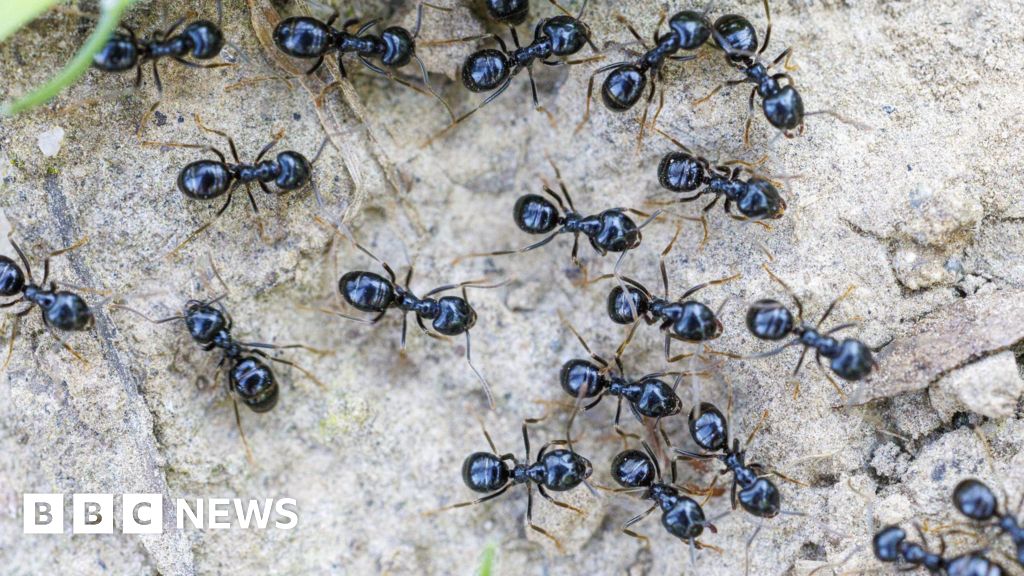
A tiny garnish has created a very large legal problem in Seoul. Prosecutors are seeking a one-year prison term for the owner of a two-Michelin-starred restaurant accused of serving dried ants that South Korean food law does not approve for human consumption. Investigators estimate roughly 49,000 ants were used over about four years, while the restaurant disputes how prosecutors calculated that total.
What Is Happening
The unnamed restaurant owner has been accused of violating South Korea's Food Sanitation Act after dried ants imported from the US and Thailand were served as garnishes. Prosecutors have requested a one-year jail sentence and a 20 million won fine for the company operating the restaurant.
The central issue is not whether people can eat insects in general. South Korean regulations allow 10 insect species for human consumption, including species such as grasshoppers and silkworm pupae, but ants are not on the approved list. Businesses seeking to serve an unapproved insect must obtain authorization first, according to the reported food-safety rules.
- Food Sanitation Act
- The South Korean law governing which foods and ingredients may legally be served.
- Michelin stars
- Restaurant ratings based on factors including ingredient quality, flavour, technique, chef personality and consistency.
The Background
Prosecutors allege dried ants were imported beginning in 2021 and used for about four years. The restaurant reportedly offered them on sorbet and other dishes, with the insects intended to add acidity. The owner said diners knew about the ingredient and could choose alternatives such as fermented vinegar or edible flowers.
Authorities did not discover the practice through a routine inspection. The Ministry of Food and Drug Safety reportedly noticed online reviews, blog posts and social-media photographs showing dishes sprinkled with ants, prompting an investigation.
Serving insects itself is not unusual in South Korea. Silkworm pupae are among the permitted insects, and insects are also eaten in many other countries. The legal distinction in this case is approval: ants required special authorization before being served as food.
The Latest Development
Prosecutors say the restaurant served ant-topped sorbet more than 12,200 times and generated approximately 120 million won in revenue connected to those servings. Their estimate puts the total number of ants used at about 49,000.
The defence challenges that calculation. The owner argued that only about 60% of diners accepted the ant topping and said ants appeared in only a small portion of a 15-course menu. Lawyers also said the chef had previously used ants for acidity while working in the US and Europe and did not realize the ingredient was prohibited without approval in South Korea.

A separate health concern adds weight to the case. The Ministry of Food and Drug Safety said investigators found the ants contained heavy-metal levels as high as 55 times the maximum limit permitted for other edible insects, according to CNN's report on the case.
What It Means
The case highlights a boundary that matters well beyond one unusual dessert: culinary experimentation does not override local food-safety approval. Ingredients accepted in restaurants abroad may still require separate authorization in another jurisdiction.
For Canadian diners following international fine dining, the story is also a reminder that Michelin recognition evaluates cooking and consistency rather than replacing government food regulation. A restaurant can hold two Michelin stars while still facing legal scrutiny over an ingredient.
The broader debate around edible insects is more complicated than simply deciding whether bugs belong on a menu. Some insect species are already widely consumed, but regulators may assess toxicity, safety, nutrition and hygienic production before approving individual species for food use.
What Remains Unclear
The court has not yet ruled on the requested sentence. A decision is scheduled for September 2, so the one-year prison term and company fine remain prosecution requests rather than final penalties.
The exact number of ants served is also disputed. Prosecutors calculated about 49,000, while the owner says that figure assumes every diner received ants even though only about 60% reportedly chose the garnish.
The restaurant and owner have not been named in the court material cited by the reports. It is also unclear from the available reporting whether the chef who created the dish is the restaurant owner.
FAQ
Why is the Michelin-starred restaurant owner facing jail?
Prosecutors accuse the owner of violating South Korea's Food Sanitation Act by serving ants that were not approved as food ingredients.
How many ants did the restaurant allegedly serve?
Prosecutors estimate about 49,000 ants were used, including in more than 12,200 ant-topped sorbet servings. The restaurant disputes that estimate.
Are insects illegal to eat in South Korea?
No. Ten insect species are approved for human consumption, but ants are not among them and require special approval before being served.
Were the ants considered a health risk?
Food-safety investigators reported heavy-metal levels up to 55 times the maximum limit allowed for other edible insects.
What sentence are prosecutors asking for?
They are seeking one year in prison for the owner and a 20 million won fine for the restaurant's operating company.
When will the court decide the case?
The court is scheduled to issue its ruling on September 2.