
Pediatricians and hospital teams across the United States are reporting a surge in parents refusing routine newborn vitamin K injections, a trend highlighted in November 2026 coverage from NPR and KFF Health News and WBUR. Nationally, the share of newborns who do not receive intramuscular vitamin K more than doubled from 3.1% in 2017 to 6.8% in 2025, according to research published in JAMA in November. For families and clinicians in California, the shift brings a once-rare bleeding disorder back into emergency rooms and neonatal intensive care units.
What Was Approved or Announced
The vitamin K injection is not a newly approved drug; rather, it has been a standard, routine part of newborn care since the 1960s, given within six hours of birth to prevent dangerous bleeding. According to the Centers for Disease Control and Prevention, the shot is safe with virtually no severe side effects, while clinicians in Grand Rapids, Michigan, and elsewhere are now testing new communication strategies to address rising refusals.
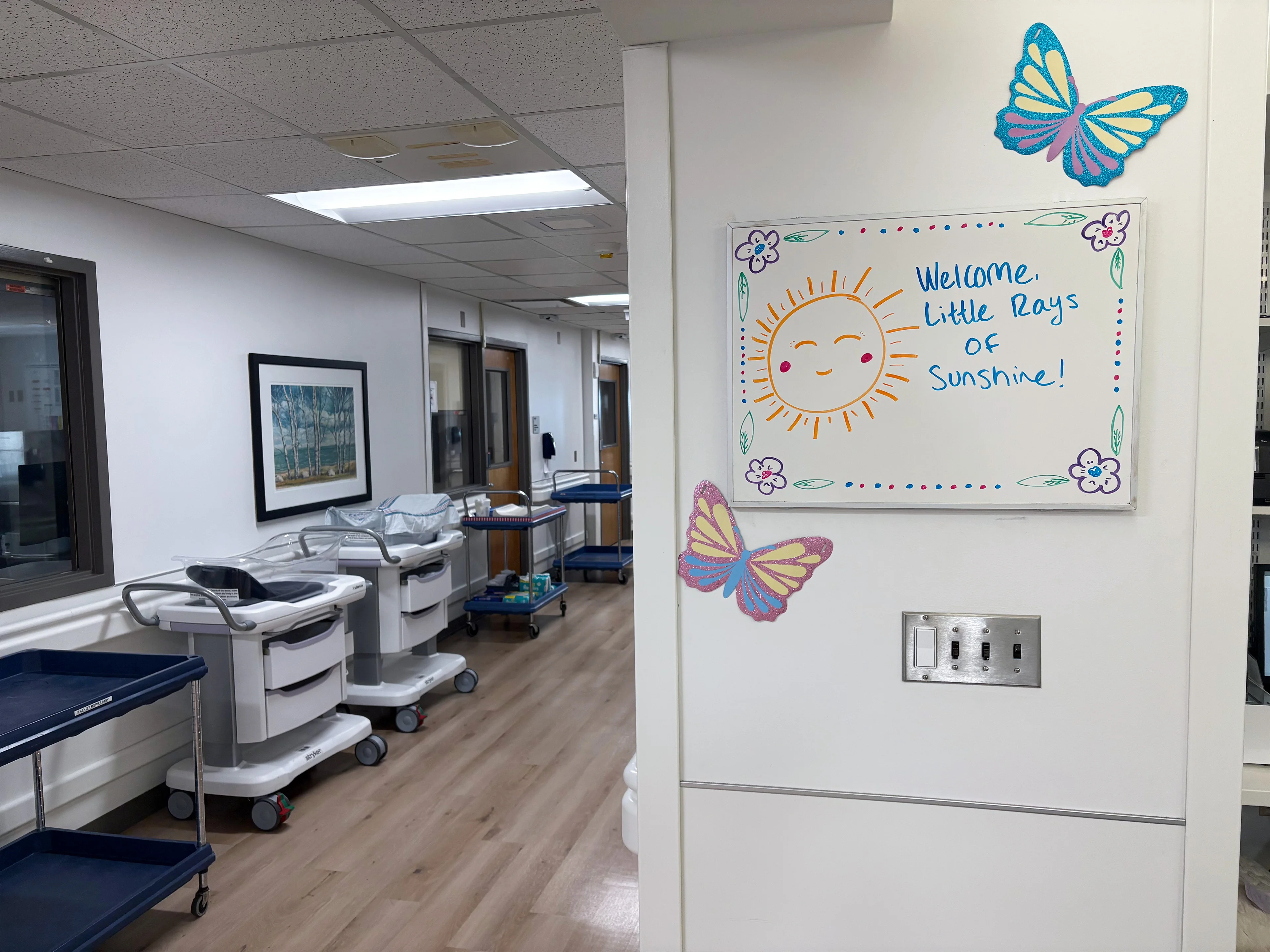
At Corewell Health's Butterworth Hospital in Grand Rapids, pediatrician Torrie LeBlanc and colleagues launched a two-year initiative after seeing at least one family per day, on average, turn down the injection. While refusal rates at that hospital flattened over two years, refusals of other standard newborn medications—including the hepatitis B vaccine—continue to climb.
Who It Is Intended For
Routine newborn vitamin K is intended for newborn infants shortly after birth because babies arrive with naturally very low levels of the nutrient. Without enough vitamin K, infants are vulnerable to vitamin K deficiency bleeding (VKDB, a condition in which blood cannot clot properly and dangerous bleeding—including bleeding in the brain—can occur).
In California, the stakes are visible in emergency care as well as delivery rooms. Pediatric emergency medicine doctor Solomon Behar in Los Angeles recently treated an infant with VKDB who died, noting how unusual the condition had become before modern shifts in attitudes toward medical care.
How It Works and What Evidence Shows
Vitamin K helps the body form blood clots, preventing sudden, uncontrolled hemorrhaging in newborns whose baseline stores are low. Among infants who receive the injection at birth, fewer than 1 in 100,000 develop the most serious form of bleeding, whereas babies who do not receive it are 81 times more likely to develop VKDB, and 1 in 5 of those who develop it die, according to the CDC.
One newborn in Grand Rapids began bleeding from her eyes, nose, and rectum the day after birth after her parents declined the shot; emergency plasma and blood products in the neonatal intensive care unit plus late administration of vitamin K helped her survive, though clinicians said she likely would have died had the bleeding started at home. Meanwhile, online parenting forums, podcasts, and TikTok posts—alongside claims linking the shot to childhood cancer—have fueled skepticism, even as pediatricians emphasize that the injection is a vitamin rather than a vaccine.
We can't walk into rooms where families don't know us from the doorknob and say, 'You have to do this.' We have to practice humility, to sit there and listen, and then come back the next day and sort of use that nudge approach.
Risks and Side Effects
According to the CDC, the intramuscular vitamin K injection has virtually no severe side effects, whereas skipping it exposes newborns to life-threatening bleeding and potential lifelong brain injury. Declining vitamin K can also complicate later medical procedures: a 2-week-old infant at Helen DeVos Children's Hospital who had not received the shot faced added bleeding risk during a lumbar puncture (a procedure using a needle in the lower back to sample spinal fluid) when evaluated for meningitis.
Doctors have also trained in motivational interviewing—a conversational approach focused on listening without judgment—and noted that oral liquid drops or crushed tablets are less effective than the injection, require multiple doses over weeks or months, and lack a federally approved oral vitamin K supplement.
Availability and Next Steps
In hospital settings, labor and delivery teams present vitamin K alongside routine newborn care—such as the hepatitis B vaccine and erythromycin eye ointment—and document refusals in electronic medical records so pediatricians can follow up at well-child visits or quickly see bleeding risks in an emergency room. At LeBlanc's hospital, her own persuasion success rate among parents who initially say no is about 50%, while other doctors report rates closer to 20% to 40%.
For expectant parents in California, the most practical step is to raise questions about newborn injections with an obstetrician or pediatrician well before delivery, rather than deciding in the delivery room. Ongoing research and hospital initiatives continue to track both refusal trends and ways to communicate clearly with hesitant families.
Frequently Asked Questions
Why do newborns get a vitamin K shot after birth?
Babies are born with very low levels of vitamin K, so a single injection within six hours of birth helps prevent rare but potentially fatal bleeding, including bleeding in the brain.
How much does skipping the vitamin K shot increase bleeding risk?
According to the CDC, newborns who do not receive the injection are 81 times more likely to develop vitamin K deficiency bleeding, and 1 in 5 of those who develop the condition die.
Have vitamin K refusal rates been rising?
Yes; research published in JAMA in November showed the share of U.S. newborns not receiving intramuscular vitamin K rose from 3.1% in 2017 to 6.8% in 2025.
Are oral vitamin K drops a substitute for the injection?
Researchers say oral vitamin K is not as effective as the injection, requires multiple doses over weeks or months, and has no federally approved oral supplement.
What happens if a baby without vitamin K needs another procedure?
Low clotting protection can raise bleeding concerns during invasive steps such as a lumbar puncture, as seen when a 2-week-old who had declined vitamin K was evaluated for meningitis.