
The U.S. government implemented new tariffs ranging from 10% to 12.5% on 60 major economies at 12:01 a.m. Friday, directly impacting trade partners including Canada, Mexico, China, and the European Union. According to the U.S. government, the fresh duties replace expired temporary levies and target countries accused of failing to enforce bans on goods made with forced labor. The sudden shift has rattled global stock markets and triggered strong pushback from trade officials worldwide who reject the claims.
What Is Happening
Washington has officially rolled out a two-tiered import fee structure under Section 301 of the U.S. Trade Act of 1974. Nations deemed to have implemented forced-labor import restrictions face a 10% rate, while those accused of failing to enforce such prohibitions are hit with a 12.5% rate. Data released by the U.S. Trade Representative confirms that this action covers 99.4% of U.S. imports across 59 individual countries and the European Union.
Canada, the United Kingdom, Mexico, and India are among the trade partners placed in the 10% tier. Meanwhile, nations such as Australia, Japan, South Korea, Brazil, and China face the higher 12.5% rate. The levies took effect immediately upon the expiration of previous stopgap measures, creating a seamless transition that U.S. trade officials claim avoids operational gaps for border authorities.
The Background
The new trade action follows months of legal friction surrounding Washington's commercial policy. In February, the U.S. Supreme Court struck down earlier blanket tariffs enacted under emergency economic powers. In response, temporary 10% baseline tariffs were introduced while the U.S. Trade Representative’s office conducted a four-month Section 301 investigation into international supply chains.
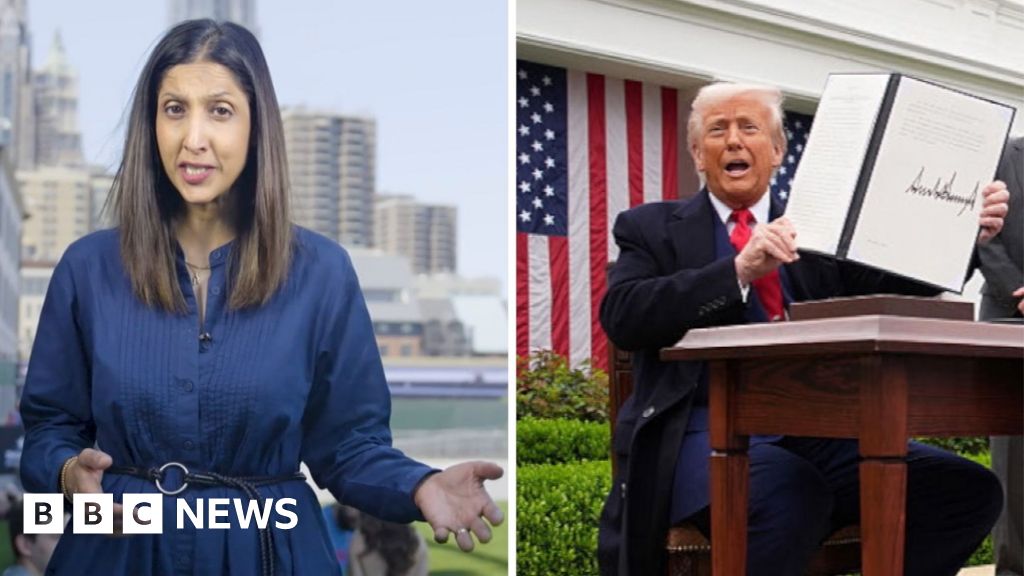
The administration maintains that these duties fall under a legally tested statute that withstands court challenges far better than prior emergency declarations. However, critics in the U.S. Congress argue the forced-labor justification serves primarily as a legal bridge to keep tariffs active after earlier court defeats.
The Latest Development
The announcement immediately sent ripples through Asian financial markets. Hong Kong’s Hang Seng index fell 11.4%, South Korea’s Kospi dropped 6.2%, and Japan’s Nikkei 225 declined 3.1% overnight. European markets experienced early dips before stabilizing later in the trading day.
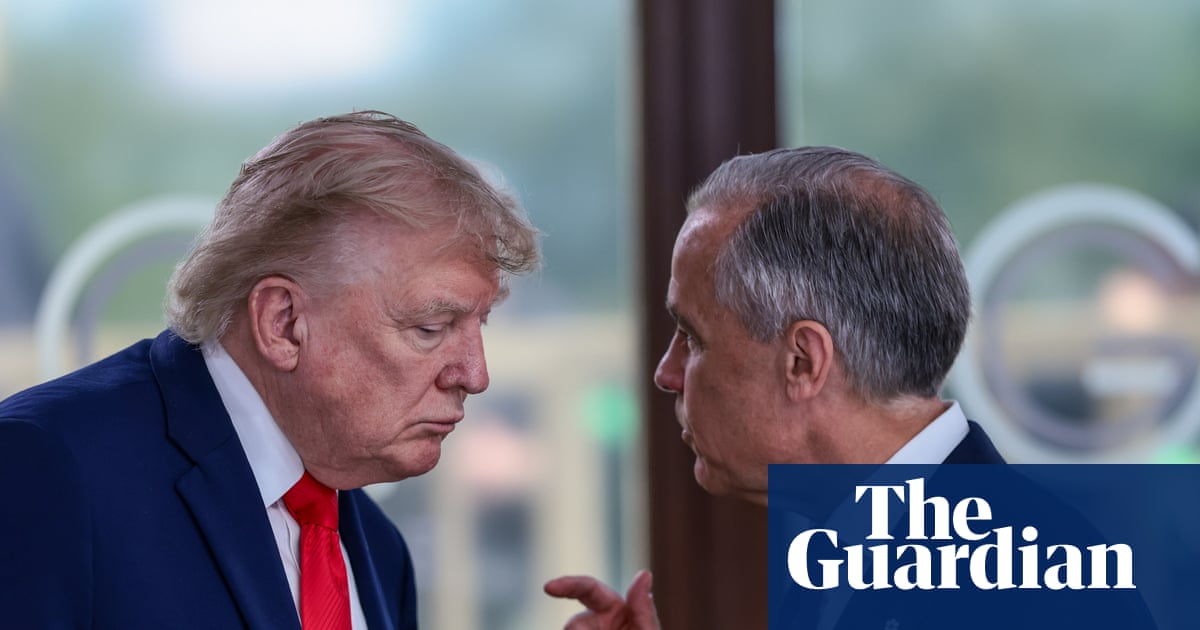
Global leaders quickly voiced objections to the forced-labor rationale. European Union foreign policy chief Kaja Kallas questioned the basis of the decision during meetings in Manila, noting the EU's strict employment standards and existing transatlantic commitments.
If you compare our labor laws to the ones of the United States, I mean we have, people have paid vacations, we have very good conditions, labor conditions for our employees, so it’s not really grounded.
Trade officials from Australia, New Zealand, and Japan also labeled the tariffs completely unjustified. Australian Trade Minister Don Farrell confirmed Canberra will continue lobbying U.S. representatives for a full exemption on Australian goods such as beef, gold, and copper.
What It Means
For Canadian businesses and consumers, the 10% rate represents a continuation of baseline import costs rather than an immediate sudden increase over recent temporary levies. Crucially, goods covered by existing North American trade agreements as well as major energy imports and various agricultural products remain exempt from these specific forced-labor duties.
However, the broader tariff environment remains tense across the border. Canadian cross-border trade planning faces additional scrutiny following separate U.S. announcements regarding potential targeted duties under Section 338. Economists note that while broad exclusions reduce immediate shock, persistent import taxes continue to add cost pressures across global supply chains.
What Remains Unclear
Several critical factors surrounding this trade rollout remain unresolved:
* Legal Challenges: It is unclear whether foreign trade partners or commercial groups will file formal legal appeals against Section 301 forced-labor determinations in U.S. federal courts.* Excess Capacity Probes: A separate U.S. investigation into industrial overcapacity across 16 countries is still pending, with potential additional duties yet to be announced.
* Exemption Details: The full operational scope of product-level exemptions for inputs that cannot be produced in North America is still being processed by trade authorities.
Frequently Asked Questions
What are the new U.S. tariff rates?
The new rates are set at 10% for countries that meet specific forced-labor import criteria and 12.5% for all other targeted economies.
Which tier applies to Canada?
Canada is listed in the 10% tariff tier along with Mexico, the United Kingdom, and India.
Are Canadian energy exports affected by these new tariffs?
No, major categories such as energy, fuels, fertilizers, and items covered under North American trade pact agreements are exempt from these specific Section 301 duties.
Why were these tariffs imposed?
The U.S. government cited enforcement of laws against goods produced with forced labor as the legal justification under Section 301 of the Trade Act of 1974.
When did the new tariff rates take effect?
The duties came into effect at 12:01 a.m. Eastern Time on Friday, July 24, 2026, coinciding with the expiration of previous temporary tariffs.