

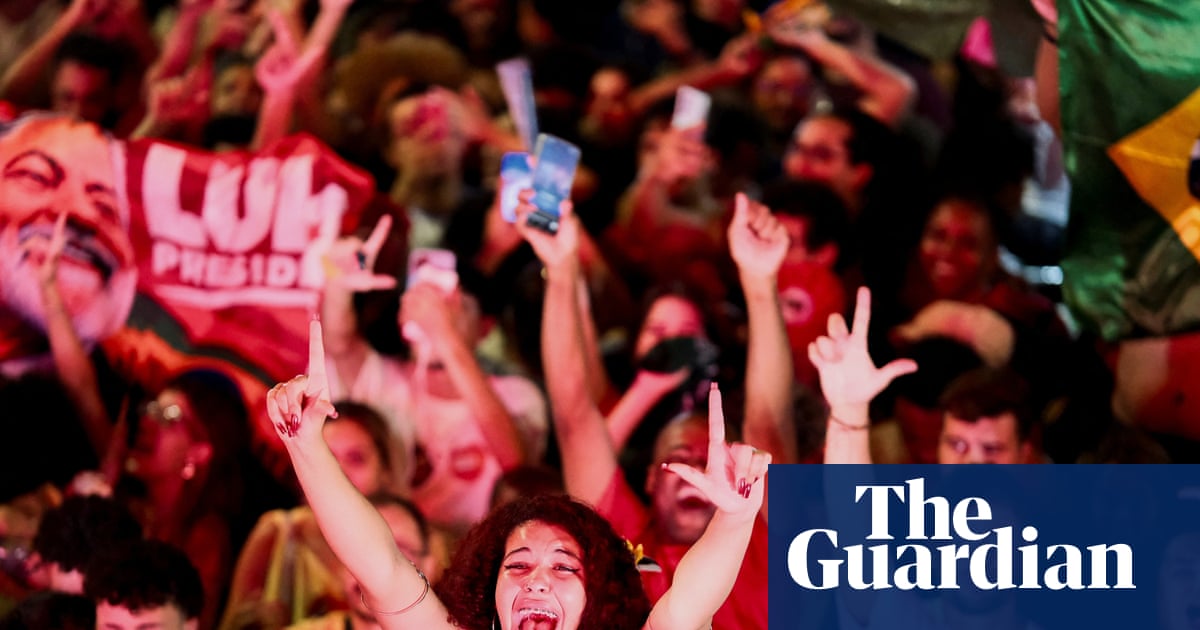
“This was a defeat for denialism and lies,” declared Brazilian President Luiz Inácio Lula da Silva after capturing 51.8% of the vote in a high-stakes run-off election. The veteran leftist orchestrated a dramatic political turnaround, overcoming an early October deficit to secure an unprecedented fourth nonconsecutive term leading Latin America’s largest economy. As thousands of supporters flooded the streets of São Paulo and Rio de Janeiro in celebration, the outcome cemented a vital democratic mandate while setting the stage for renewed institutional clashes.
What Happened
With 100 percent of the vote counted, Brazil’s electoral court confirmed that Lula secured 51.8 percent of the ballots, translating to a margin of nearly 4.4 million votes over his opponent. The dramatic conclusion followed a chaotic evening at polling stations nationwide after Supreme Court Justice Cristiano Zanin ruled to keep polls open for two additional hours. The extension was granted following logistical disruptions, including transport issues in urban centers and heavy rainfall in southern regions.
Despite the official tally, far-right contender Flávio Bolsonaro refused to concede defeat, condemning the voting extension as unprecedented and petitioning electoral authorities to annul the results. While international leaders swiftly recognized the outcome, the immediate aftermath remained politically polarized as supporters and critics clashed over the legitimacy of the process.
The Countries and Players Involved
At the center of the political showdown were two contrasting figures representing deeply divided factions within Brazilian society. Luiz Inácio Lula da Silva, a veteran labor leader approaching his 81st birthday, positioned himself as a defender of democratic norms and social equity. His administration has emphasized environmental protection in the Amazon, reigning in illegal mining and curbing deforestation rates significantly over the past four years.
Challenging him was 45-year-old senator Flávio Bolsonaro, who spearheaded the populist movement built by his imprisoned father, former president Jair Bolsonaro. Flávio capitalized on voter frustrations regarding urban crime, cost-of-living pressures, and conservative cultural values. The election also drew international scrutiny, particularly concerning geopolitical alignments and trade relations involving Washington and Beijing.

Why It Happened
The race tightened dramatically after an initial populist surge in early October saw Flávio Bolsonaro secure a leading position in the first round of voting. Progressive organizers responded by mobilizing lower-income voters and heavily utilizing digital outreach campaigns, successfully driving down the record abstention rates observed earlier in the month. Concurrently, the challenger’s campaign faced mounting public scrutiny and scandals that energized opposition factions.
Economic concerns, public security, and cultural debates remained primary motivators for the electorate. While rural and conservative strongholds rallied behind conservative security platforms, urban centers and working-class neighborhoods mobilized strongly in defense of progressive social welfare programs and institutional stability.

International Reaction
Global leaders rushed to congratulate Lula on his victory, reinforcing diplomatic ties across Latin America, Europe, and Asia. The outcome maintains Brazil’s independent foreign policy stance, preserving strategic distance from Washington’s regional trade and security initiatives while upholding multilateral cooperation.
Commentators noted that the result contrasts with recent right-wing electoral gains elsewhere in the hemisphere. Observers emphasized that Lula’s continued leadership ensures continuity in international climate agreements and environmental protection commitments concerning the Amazon basin.
What It Means Going Forward
As Lula prepares to embark on what will likely be the final term of his political career, his administration faces the challenge of governing alongside a newly elected congress featuring a strong conservative majority. Navigating legislative friction will be critical for passing economic reforms and sustaining environmental initiatives.
Domestically, managing inflation, public safety, and infrastructure development will dictate the administration's success. Internationally, Brazil is expected to maintain its pivotal role in global climate diplomacy and multilateral economic forums.
Frequently Asked Questions
What percentage of the vote did Lula receive in the run-off?
Lula secured 51.8 percent of the vote, defeating his opponent by a margin of nearly 4.4 million votes according to Brazil's electoral court.
Why did Flávio Bolsonaro refuse to concede?
Flávio Bolsonaro refused to concede defeat by criticizing a Supreme Court decision that extended voting hours by two hours, calling for the election results to be annulled.
What historical milestone did this election mark?
This marked the first time since the return of democracy in 1985 that a second-place finisher in the first round of voting successfully won the presidential run-off.
How does this result impact Brazil's environmental policy?
Lula's victory ensures the continuation of environmental protections in the Amazon, including efforts to reduce deforestation and curb illegal mining operations.