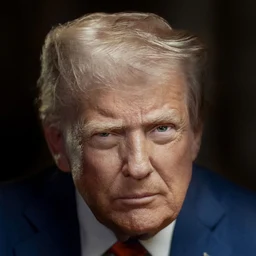
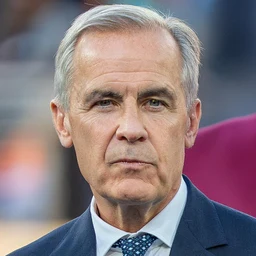
Prime Minister Mark Carney delivered a blunt message from the Asia-Pacific Economic Cooperation (APEC) summit in Shenzhen, China on Wednesday, stating that Ottawa plans to double its non-U.S. trade within 10 years regardless of Washington's next move. Following a face-to-face meeting with U.S. President Donald Trump that ended without a breakthrough, Carney made clear that Canada is no longer waiting on American concessions to secure its economic future. With punishing tariffs still battering Canadian auto, steel, aluminum, and softwood lumber sectors, Ottawa is actively signing new agreements across Asia and Europe to reduce its historic reliance on the American market.

What Triggered the Crisis
The diplomatic friction stems from ongoing trade hostilities initiated after President Donald Trump imposed sweeping Section 232 tariffs on Canadian autos, steel, aluminum, and softwood lumber, alongside 50 per cent retaliatory tariffs on a wide range of Canadian goods. Those duties came after Ottawa enacted countermeasures against American products in response to Washington's initial trade offensive last year.
Those tariffs have already forced plant closures and triggered job losses across Canadian manufacturing hubs, straining what was once one of the world's closest bilateral economic partnerships. Speaking virtually from China to the Dealbook summit as he wrapped up a nine-day trade mission to Europe and Asia, Carney noted that while discussions with Washington have seen minor movement, the two sides are not close to signing an agreement.
The Key Facts
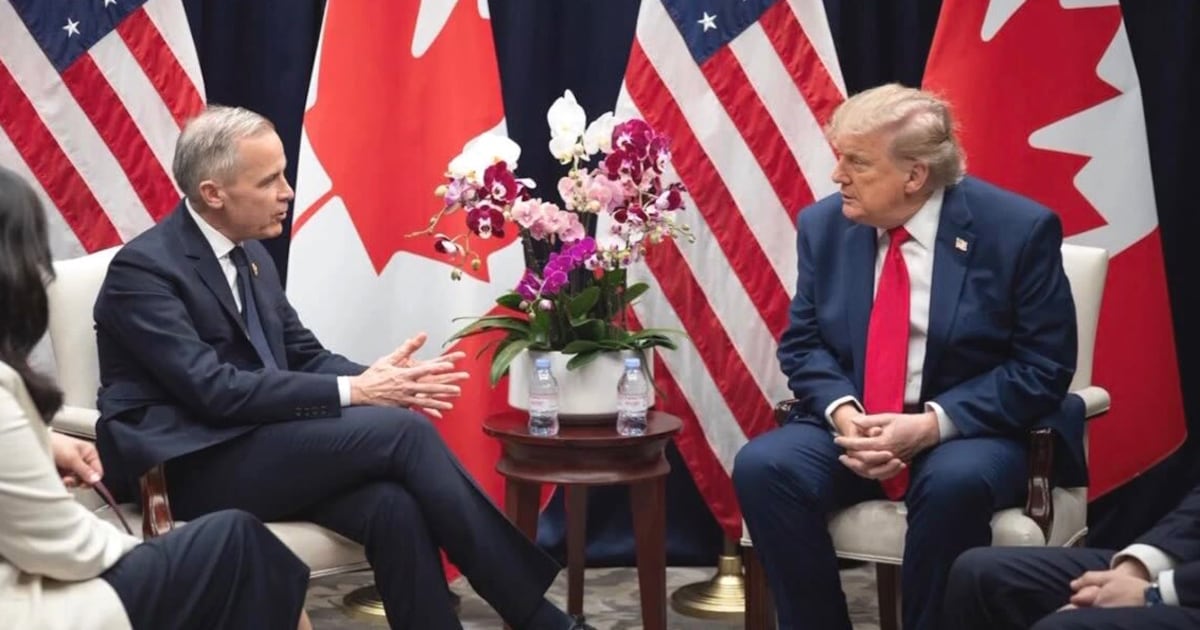
During his trip to Shenzhen, Carney met directly with Trump on the sidelines of the APEC summit—an exchange the prime minister characterized as "reasonably direct"—but neither leader announced any relief on existing duties. Instead, Carney outlined an aggressive trade diversification agenda aimed at insulating the Canadian economy from American pressure.
- Expanding Asian Market Access: Carney brokered two free trade agreements in a single day with the Philippines and the 11-nation ASEAN bloc, representing a combined $6-trillion market, with formal signings scheduled for next year.
- Thawing Ties with Beijing: Ottawa secured improved market access for Canadian commodities in China in exchange for permitting a limited quota of Chinese electric vehicles into Canada at reduced tariff rates.
- Upcoming India Deal: According to CBC News reporting from the APEC summit, Carney stated Canada is on track to finalize a free trade agreement with India within the next three months.
- Global Reach: Canada currently maintains free trade access to economies encompassing roughly two billion people, a figure Ottawa expects to push toward three billion once pending agreements take effect.
Positions and Reactions
Carney dismissed Trump's October claim that Washington "holds all the cards" in bilateral negotiations, countering that Canada's leverage lies in strong international demand for Canadian exports and resources. He stressed that even if the U.S. rolls back its tariffs, Ottawa does not intend to return to its previous level of deep economic integration with the United States, framing the pivot around protecting Canadian sovereignty from coercion.
We'd like to do a deal. If the U.S. doesn't want to do a deal, we're busy.
In Ottawa, the federal opposition warned that leaning toward Beijing carries major geopolitical risks. Conservative MP Adam Chambers, the party's industry critic, argued on Parliament Hill that treating closer ties with China as a substitute for a U.S. trade settlement could backfire and provoke further economic retaliation from Washington.
If the prime minister thinks it's smart to play chicken with a U.S. administration that has a lot of leverage and harm it may choose to impose on Canada — the government should be very careful about doing that.
What Is Still Unclear
While both CTV News and Yahoo Finance Canada covered the Shenzhen encounter, neither Washington nor Ottawa has released a specific timeline for the next round of formal bilateral trade negotiations. The White House has not publicly commented on whether Trump views Canada's new tariff arrangement on Chinese electric vehicles as an obstacle to lifting Section 232 duties, though Carney stated that China does not sit at the top of the bilateral issue hierarchy.
Additionally, the exact quota limits and tariff rates governing Chinese electric vehicle imports under the new arrangement with Beijing have not yet been detailed in full legislative text.
What Could Happen Next
Carney dismissed the idea that the recent U.S. midterm elections—in which Democrats won majorities in both chambers of Congress—will automatically ease trade friction, noting that only concrete, durable policy reversals from the White House will restore confidence. For Canadian workers in auto manufacturing, forestry, and steelmaking, existing U.S. tariffs will continue to weigh on exports and factory capacity until an enforcement mechanism or tariff rollback is signed.
Over the coming months, Ottawa's focus will shift toward ratifying the ASEAN and Philippine agreements next year, closing negotiations with India within 90 days, and pursuing associate membership links with the European Union to offset lost American market share.
Frequently Asked Questions
Did Mark Carney and Donald Trump reach a trade deal at the APEC summit?
No. Prime Minister Mark Carney and U.S. President Donald Trump met on the sidelines of the APEC summit in Shenzhen, China, in a discussion Carney described as "reasonably direct," but no agreement was reached to lift existing U.S. tariffs.
Which Canadian industries are currently affected by U.S. tariffs?
American Section 232 tariffs continue to hit Canadian autos, steel, aluminum, and softwood lumber, alongside 50 per cent U.S. tariffs applied to a broader list of Canadian products in response to Canadian countermeasures.
What new trade deals did Canada announce during Carney's Asia trip?
Carney brokered free trade agreements with the Philippines and the 11-nation ASEAN bloc—covering a $6-trillion market—to be signed next year, secured commodity market access in China in exchange for limited lower-tariff Chinese EV imports, and projected a free trade deal with India within three months.
Will the U.S. midterm election results remove tariffs on Canada?
According to Carney, the Democratic takeover of both houses of the U.S. Congress does not change Canada's immediate trade situation, as tariff relief requires direct policy decisions from the Trump administration.