

Gathered inside the historic birthplace of Confederation in Charlottetown, Canadian first ministers stood side-by-side on Thursday to confront the newest salvo in an escalating trade war with Washington. U.S. President Donald Trump has signed proclamations threatening sweeping 50 per cent import duties on $28 billion worth of Canadian goods starting Aug. 19. The sudden ultimatum has thrown cross-border trade into turmoil, setting off urgent high-stakes strategy talks between Ottawa and provincial leaders.

Why This Is Trending
The sudden escalation stems from executive orders signed Monday by President Donald Trump, invoking Section 338 of the Tariff Act of 1930—a Great Depression-era statute—to slap 50 per cent duties across more than 500 Canadian product categories. The White House explicitly cited retaliation against Canadian policies, including provincial boycotts of U.S. alcohol, Canadian tariffs on U.S. motor vehicles, and supply-managed dairy import restrictions. With a 30-day window opened before the tariffs take effect on Aug. 19, political leaders and trade negotiators are racing against the clock to coordinate a national strategy.
What Happened
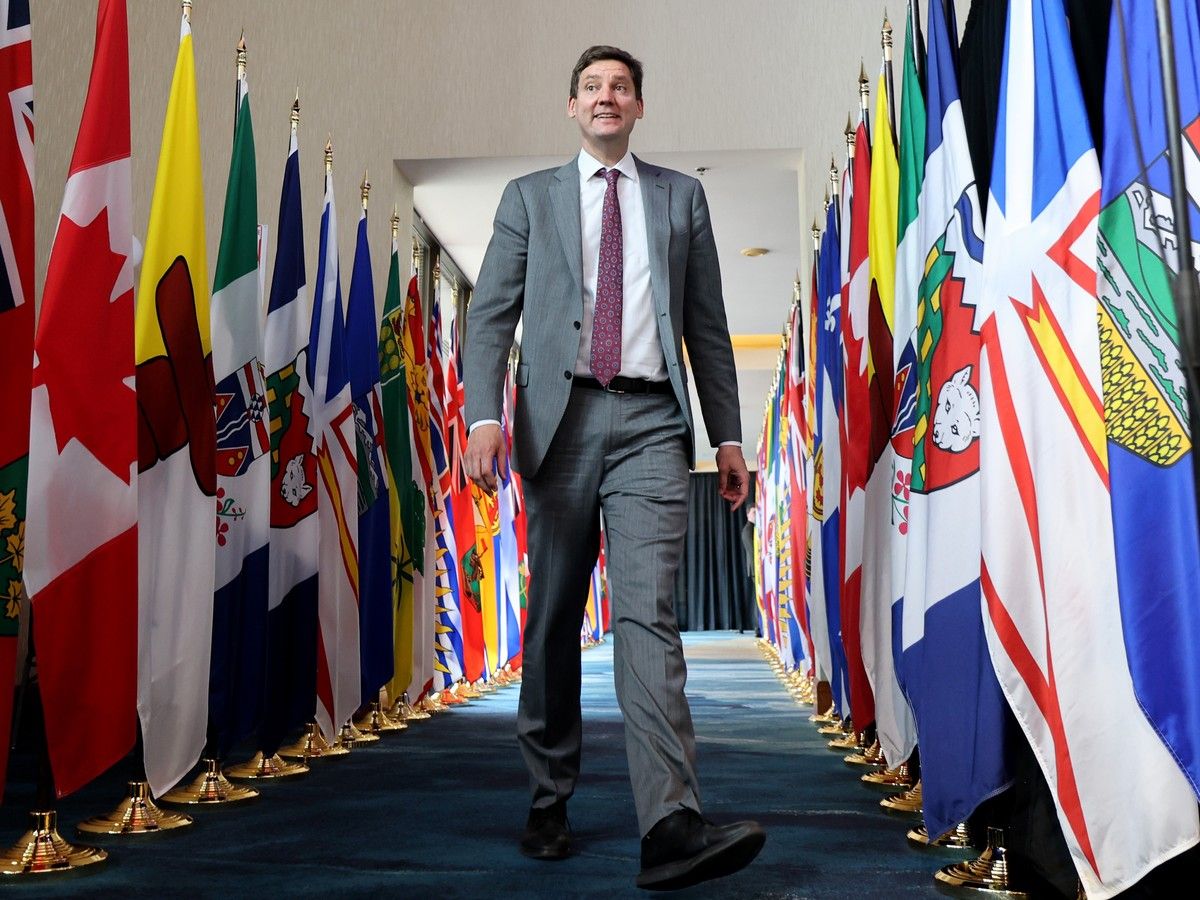
Meeting at the conclusion of the Council of the Federation summit in Charlottetown, Prime Minister Mark Carney and all 13 provincial and territorial premiers held a private roundtable to formulate a unified front. Carney emphasized national resolve, declaring that Canada is "in a stronger position than we were when this trade war started" and promising to do "whatever it takes" to defend the economy. However, distinct regional perspectives emerged regarding how hard Ottawa should push back during negotiations.
What We Know So Far
The proposed 50 per cent levies cover approximately five per cent of Canada's total exports to the U.S., targeting items ranging from Canadian wine, spirits, paper, and panel products to hockey sticks, cement, chemicals, and plastics. Crucially, the White House excluded energy, potash, and critical minerals from the list. The targeted sectors carry uneven provincial weight:
- British Columbia: Faces the heaviest impact proportionally, with an estimated 13.7 per cent of its exports subject to the new duties, particularly affecting its forestry and value-added wood sectors.
- Ontario and Quebec: High exposure in manufacturing, chemicals, and industrial equipment. Crucially, automotive trade accounts for roughly 95 per cent of the overall tariff financial burden.
- Prairie Provinces: Alberta and Saskatchewan remain relatively insulated from direct hits due to the total exclusion of oil, gas, and potash.
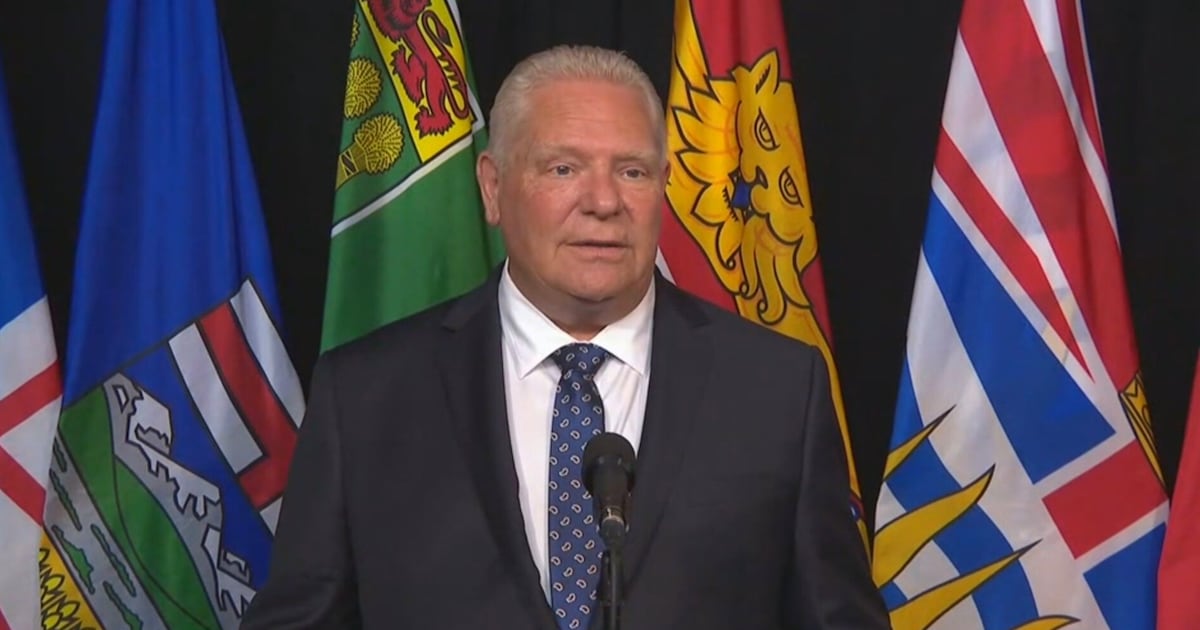
Several premiers put bold retaliatory measures on the table. B.C. Premier David Eby suggested restricting U.S. access to Canadian critical minerals, calling it "inexplicable" for Washington to demand mineral cooperation while targeting Canadian workers. Meanwhile, Ontario Premier Doug Ford reiterated that Canada must hit back until the U.S. feels the pain. Both Eby and Nova Scotia Premier Tim Houston doubled down on maintaining provincial bans on American alcohol, with Houston stating,
I've been very clear with the negotiating team. If there's a point that that needs to end or it's helpful to our country to end that, tell me when that is. But until then, it's not coming off
Why It Matters
For everyday Canadians, a failure in bilateral talks threatens manufacturing jobs, industrial supply chains, and consumer stability. BMO Capital Markets and Desjardins economists warn that if implemented, the levies could shave between 0.3 and 0.6 percentage points off Canadian GDP growth over the next year while dragging down the Canadian dollar. Furthermore, the divergence in impact between manufacturing-heavy eastern provinces and energy-exporting western provinces threatens to test the limits of interprovincial cohesion.
What Happens Next
Prime Minister Carney announced that he and President Trump have agreed to intensify bilateral trade negotiations in the coming weeks ahead of the Aug. 19 deadline. Economists and trade experts, including CPA Canada's David-Alexandre Brassard, point out that resolving the dispute over motor vehicle tariffs remains the key to unlocking a deal. Over the next 30 days, Team Canada negotiators will aim to leverage continental trade interdependencies under the CUSMA framework to secure a lasting resolution before retaliatory tariffs hit the market.
Frequently Asked Questions
When do the new 50% U.S. tariffs take effect?
The proposed tariffs are scheduled to take effect on Aug. 19, 2026, following a 30-day window for bilateral negotiations between Canadian and U.S. officials.
Which Canadian products are targeted by the tariffs?
The list covers over 500 product categories worth approximately $28 billion, including motor vehicles, wine, spirits, forestry products, paper, plastics, cement, and sports equipment like hockey sticks. Energy and potash are excluded.
Why is the U.S. proposing these duties?
The Trump administration cited Section 338 of the Tariff Act of 1930, claiming Canada engages in unfair trade practices by maintaining provincial bans on U.S. alcohol, quotas on U.S. dairy, and counter-tariffs on U.S. motor vehicles.
How are Canadian leaders planning to respond?
Prime Minister Mark Carney and provincial premiers are pursuing a coordinated Team Canada strategy focused on high-level negotiations, while individual premiers have floated counter-measures involving critical minerals and maintaining alcohol bans.