
A relentless wave of heavy thunderstorms has successfully scrubbed the thick Canadian wildfire smoke from the skies over northern New Jersey just hours before the 2026 FIFA World Cup final. The severe weather front, which brought localized flash flooding and forced teams indoors, triggered a rapid atmospheric clearing that rescued the tournament's final match from hazardous air quality conditions. Fans and players can now expect a clear, sunny 3 p.m. kickoff at the fully exposed MetLife Stadium.

What We Know So Far
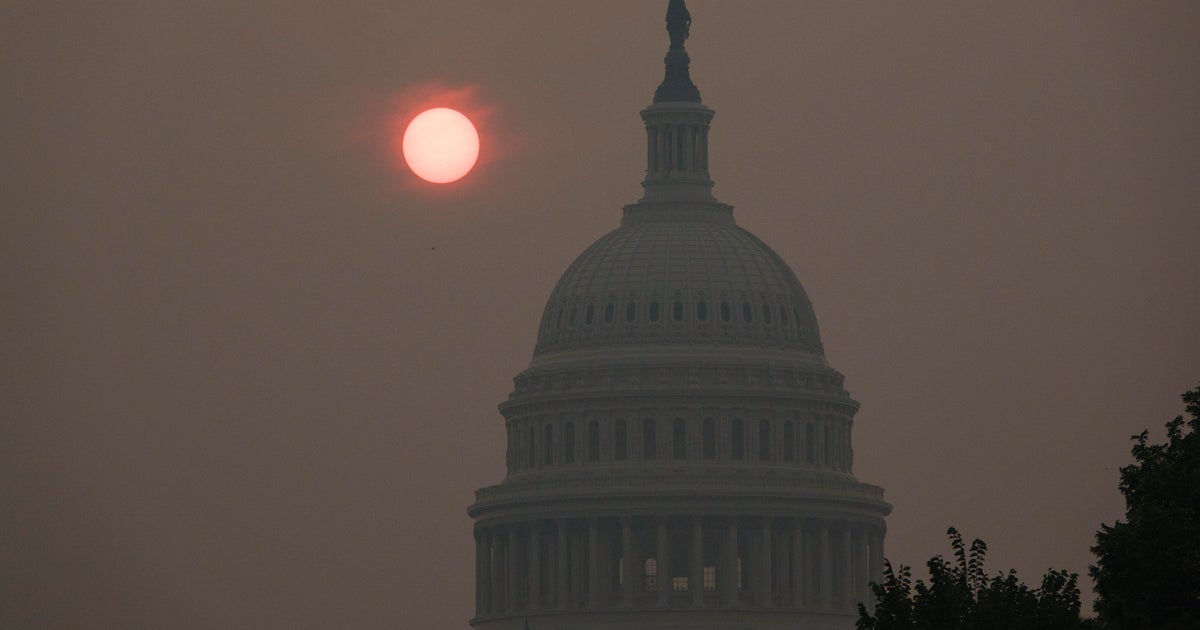
The highly anticipated showdown between Lionel Messi's Argentina and Lamine Yamal's Spain was threatened by a massive plume of wildfire smoke drifting south from more than 900 active fires in Canada and blazes in Minnesota. On Thursday and Friday, a dense orange and yellow haze blanketed the Northeast, plunging the air quality index into ranges deemed unhealthy for sensitive groups. In response to the trans-border pollution, U.S. President Donald Trump escalated political tensions by threatening to impose new import tariffs on Canada, accusing Ottawa of willful negligence regarding forest management.
Relief arrived via a powerful cold front on Saturday. Heavy downpours and severe thunderstorms rolled through New York and northern New Jersey, executing a natural process known as wet deposition. As rain fell through the smoky atmosphere, water droplets collided with soot particles and brought them to the ground, occasionally leaving behind dusty brown spots on outdoor surfaces. While the storm cleared the air, it brought severe logistical headaches, including damaging winds and localized flooding that forced New York City Mayor Zohran Mamdani to issue flash flood warnings.
The intense weather directly disrupted pre-match preparations. Spain’s national team was forced to suspend its outdoor training session in East Hanover, New Jersey, moving players indoors for warm-ups after lightning strikes were detected. Under FIFA’s strict tournament protocols, any electrical discharge within an eight-mile radius triggers an automatic 30-minute match suspension countdown. Despite the disruption, meteorologists from the National Weather Service and AccuWeather confirmed early Sunday that the thickest, most hazardous smoke bands have been successfully pushed out of the region by northwesterly winds.
Reactions & Responses
Before the skies cleared, sports analysts openly worried about player safety. Former professional soccer player Sacha Kljestan noted that while FIFA was highly unlikely to postpone the final, sustained toxic air quality could have significantly slowed the pace of the game. Despite the pre-match tension and environmental disruptions, the players remain focused on the historic stakes of the match.
I think Sunday’s match will be quite different. It will be a more physical one, and we must be prepared. But I believe that if we are known for something in this national team, it is that we know how to play different games based on the moment.
On the opposing side, Argentina is aiming to become the first country since Brazil in 1962 to secure consecutive World Cup trophies. Manager Lionel Scaloni reflected on the magnitude of the moment for his 39-year-old captain, calling Messi a living legend and urging global football fans to savor what could be his final World Cup appearance.
On the Ground
For Canadian soccer fans traveling down to East Rutherford or watching from home, the environmental drama hits close to home. The vast smoke plume originated from catastrophic fires raging across Ontario and Manitoba, burning through more than 70,000 acres in neighboring Minnesota alone. While the Northeast has recovered thanks to the storm front, the atmospheric patterns are shifting the pollution elsewhere. The National Weather Service warned that a fresh batch of thick smoke is currently sinking into the Midwest, meaning communities around Chicago, Detroit, and Cleveland will experience heavily degraded air quality through the early part of the week.

Coming Up
The World Cup final will kick off exactly at 3 p.m. Eastern Time under mostly sunny skies with a comfortable temperature of 83°F (28°C) and moderate humidity sitting at 44%. More than 80,000 fans, including President Donald Trump and Mexican President Claudia Sheinbaum, will fill MetLife Stadium. Meanwhile, the broader weather system continues to track south; a stalled front is projected to bring 3 to 5 inches of heavy rainfall and potential flash flooding to eastern North Carolina through Tuesday and Wednesday.
At a Glance
- The Final Venue: MetLife Stadium in East Rutherford, New Jersey, is clear for the 3 p.m. ET kickoff between Argentina and Spain.
- Weather Shift: Saturday's severe thunderstorms cleared out the thick Canadian wildfire smoke via wet deposition, dropping air quality concerns to a minimum.
- Disrupted Training: Lightning and storms on Saturday forced the Spanish squad to abandon their outdoor pitch and run warm-up drills indoors.
- Tariff Threats: President Donald Trump used the environmental crisis to threaten Canada with increased import tariffs over alleged forest mismanagement.
- Midwest Impact: While the Northeast air has cleared, the next major band of wildfire smoke is moving directly into the Midwest, impacting Chicago and Cleveland.
Frequently Asked Questions
Why was the World Cup final almost disrupted by weather?
Thick smoke from over 900 active Canadian wildfires blanketed the New York and New Jersey region, causing unhealthy air quality and low visibility just days before the open-air stadium was set to host the match.Did the pre-game storms cause any damage?
Yes, the storms produced damaging winds and heavy downpours that caused localized urban flash flooding, prompting emergency warnings from local officials and forcing Spain's national team to move their training session indoors due to lightning strikes.What are the exact weather conditions expected for kickoff?
The forecast for the 3 p.m. ET kickoff calls for mostly sunny skies, a temperature around 83°F (28°C), 44% humidity, and light winds of 10 to 15 mph, offering ideal playing conditions for both teams.