Last updated: November 23, 2026
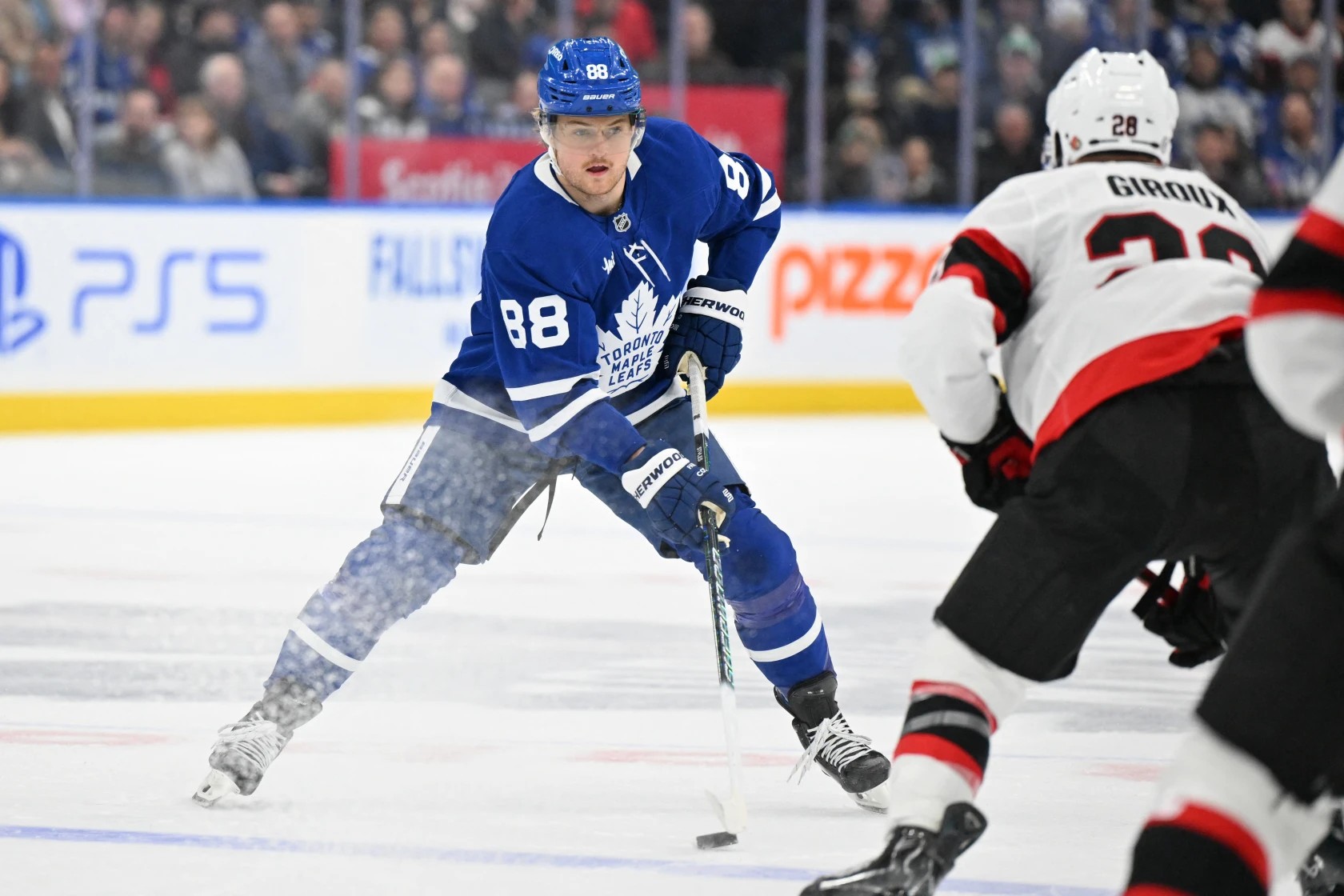
The Toronto Maple Leafs' nine-game losing streak has turned a disappointing start to the NHL season into a serious question about the franchise's future. William Nylander is attracting trade speculation, while captain Auston Matthews faces growing questions about whether Toronto can still deliver the championship opportunity he wants. NHL insider Elliotte Friedman has outlined how management could approach both stars, with their situations requiring very different decisions. No trade involving either player has been confirmed.
What the Tournament or Event Is
The central issue is not an upcoming tournament but the direction of the Maple Leafs during the 2026-27 NHL season. Toronto has lost nine consecutive games, including a 4-3 regulation defeat against the Columbus Blue Jackets after surrendering a 3-1 lead.
The Leafs have the second-worst points percentage in the Eastern Conference and the fourth-worst across the NHL, according to Bleacher Report. Their difficulties extend beyond the results: first-year head coach Jim Hiller faces scrutiny, the defence has struggled, and offseason signing Sergei Bobrovsky has not delivered the expected improvement.
Toronto entered the season attempting another competitive run despite lacking its next two first-round draft picks. That decision has increased the pressure on management because further short-term investments could leave the organization with fewer resources to rebuild.
The latest discussion is therefore about whether Toronto should continue supporting its existing core or begin recovering assets through trades. Friedman's comments, reported by Maple Leaf Hot Stove, suggest that players on shorter contracts could be moved before management considers more consequential decisions involving its stars.
The Main Contenders
Five NHL teams have been identified by Bleacher Report as hypothetical destinations for Nylander. These are potential trade fits, not confirmed negotiations.
Carolina Hurricanes: The defending Stanley Cup champions entered Sunday's play with the league's best record. They have more than $7 million in cap space, four first-round selections over three years and a strong prospect system. Their resources make a major acquisition conceivable, although fitting Nylander's full salary would require additional planning.
Minnesota Wild: Minnesota has performed strongly but lacks scoring depth beyond its leading forwards. Its limited cap space complicates a Nylander acquisition. A potential decision involving Quinn Hughes, who is approaching the end of his contract, could change the club's options.
Seattle Kraken: Seattle has repeatedly pursued established offensive stars without completing the additions it wanted. Its prospect system could provide trade assets, but Nylander would need to approve the destination.
Utah Mammoth: Utah ranks second in expected-goal share but only 17th in points percentage. That difference suggests its underlying play has been stronger than its results. Another top-six winger could strengthen the lineup, and Utah has prospects and draft selections available.
Tampa Bay Lightning: A more complicated possibility involves Nikita Kucherov, who has reportedly requested a trade. If Tampa Bay eventually moved him, it could potentially pursue another established scorer. A Nylander transaction would also require Toronto to consider strengthening a division rival.
These scenarios involve several financial and contractual considerations:
- No-movement clause
- A contractual protection giving a player control over whether he can be traded or moved without consent.
- Salary cap
- The NHL limit governing how much teams can commit to player salaries.
- Expected-goal share
- A measure comparing the quality of scoring opportunities a team creates with those it allows.
The Key Storylines to Watch
Nylander's contract gives him considerable influence over any potential departure. His $11.5 million annual cap charge runs for another five seasons, and his full no-movement clause means Toronto cannot simply send him to the highest bidder.
His difficult start to the season also complicates the club's position. Trading an established scorer during a downturn could affect the return Toronto receives, particularly given his age and remaining contract commitment.
Matthews presents a different challenge. Friedman believes the captain remains committed to winning in Toronto and considers an in-season trade highly unlikely. Unlike the circumstances surrounding Quinn Hughes in Vancouver, there has been no reported indication that Matthews entered the season intending to leave.
Former Maple Leaf Mike Johnson has offered a more pessimistic perspective, suggesting Matthews should consider leaving. His opinion reflects concern about the franchise's competitive direction, not a stated request from Matthews himself.

Fan reaction is another significant storyline. Friedman observed that Toronto supporters remained patient through much of the losing streak, even though seven of the nine games were within one goal after two periods. Boos became more noticeable following defeats against Los Angeles and Columbus.
That pattern matters because the team has remained competitive in portions of games without converting those opportunities into victories. The issue is not simply a shortage of individual talent; the repeated failures to finish games have exposed weaknesses across the lineup.
Schedule and Format
There is no confirmed trade timetable for either Nylander or Matthews. The immediate context is Toronto's ongoing regular-season campaign, followed by potential decisions as the NHL trade deadline approaches.
The next major contract-related milestone mentioned in the reporting is July 2027, when Matthews' willingness to sign an extension could become a central question. If Toronto continues struggling and an agreement does not follow, speculation about his future could intensify.
Nylander's situation is governed by his existing contract rather than an approaching extension deadline. Any proposed move would require his consent, agreement between the clubs and a workable salary-cap arrangement.
What to Expect
Toronto's immediate priority is determining whether its current roster can reverse the losing streak. Management could consider moving players with shorter remaining contracts before making a decision on Nylander or Matthews.
A Nylander trade is possible in principle, but the financial commitment and his contractual protections make a straightforward transaction difficult. Carolina appears particularly well equipped in terms of assets, while Seattle, Utah, Minnesota and Tampa Bay each present different complications.
Matthews' future depends more directly on his confidence in Toronto's ability to compete. His strong individual performances and public accountability during the losing streak support Friedman's assessment that he still wants to succeed with the Leafs.
For Canadian hockey fans, the central question is whether Toronto can repair its roster without sacrificing the stars around whom it built its competitive ambitions. The next decisions by management will determine whether this difficult opening stretch becomes a temporary setback or the beginning of a larger organizational reset.
Frequently Asked Questions
Is William Nylander being traded by the Maple Leafs?
No trade has been confirmed. Nylander has been discussed as a potential candidate if Toronto decides to restructure its roster, but his no-movement clause gives him control over any proposed destination.
Which teams could trade for William Nylander?
Bleacher Report identified Carolina, Minnesota, Seattle, Utah and Tampa Bay as hypothetical destinations. The possibilities reflect roster needs and available assets rather than confirmed offers.
Will Auston Matthews leave Toronto?
Matthews has not publicly indicated an intention to leave in the supplied reporting. Elliotte Friedman believes he wants to win in Toronto and considers an in-season trade extremely unlikely.
Why are the Maple Leafs considering major changes?
Toronto has lost nine consecutive games and sits near the bottom of the NHL standings by points percentage. Defensive problems, disappointing performances and repeated blown opportunities have increased pressure on the organization.
How much is William Nylander's contract worth against the salary cap?
Nylander carries an annual cap charge of $11.5 million for another five seasons. That commitment makes a trade difficult for teams without sufficient cap space.
When could Auston Matthews' future become clearer?
July 2027 is identified as a potential turning point for extension discussions. If Toronto continues struggling and Matthews does not agree to an extension, questions about his long-term future could grow.