
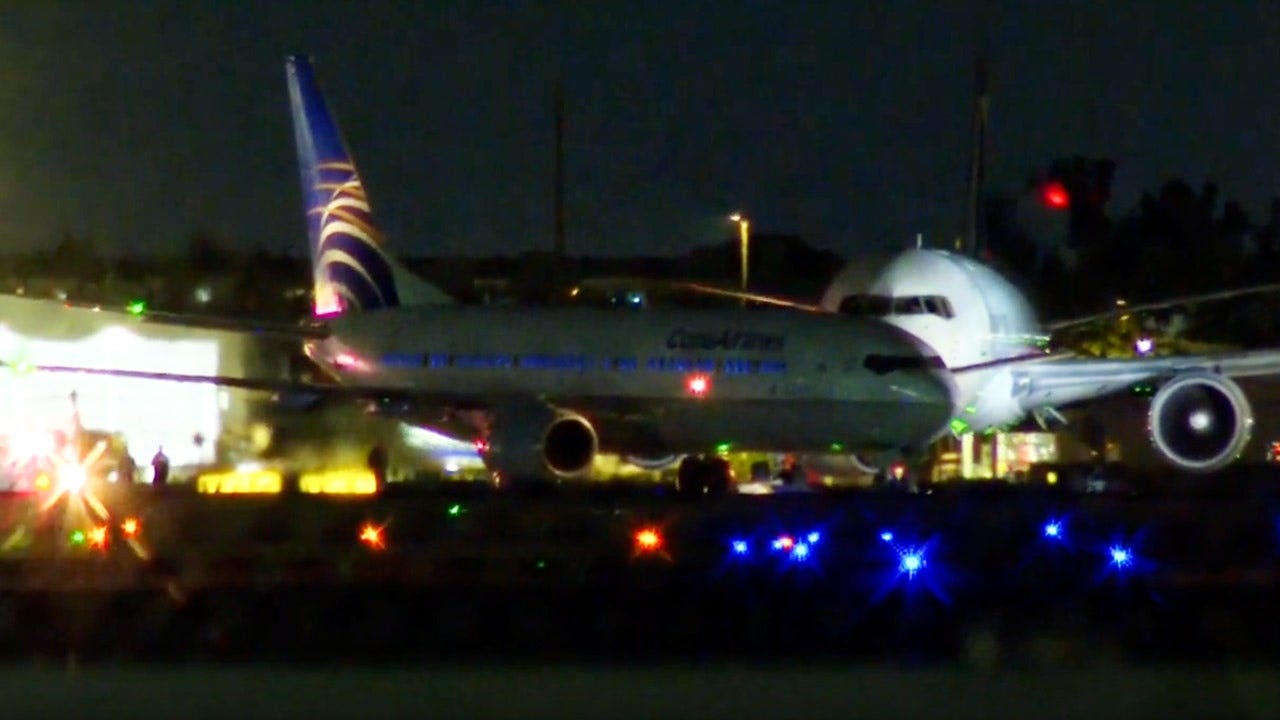
Radio transmissions cut through the night shift at Miami International Airport on Saturday evening after two commercial jets made contact on the tarmac. A Copa Airlines Boeing 737 taxiing toward its terminal gate clipped the nose of a departing UPS Boeing 767, leaving two people with minor injuries. Airport officials rerouted ground traffic around the intersection immediately, keeping broader flight schedules running without major disruption.
What Happened
The ground collision occurred around 9:15 p.m. local time on Saturday, Nov. 14, 2026, at the intersection of two taxiways. According to the Federal Aviation Administration (FAA), air traffic controllers had instructed the UPS crew to give way to the arriving Copa Airlines flight before the two aircraft came into contact.
Air traffic control audio captured the immediate aftermath from the flight decks. A pilot aboard the Copa Airlines jet radioed controllers to report that another aircraft had just struck them. When a controller asked Flight UPS 358 if they had hit the passenger jet, the UPS pilot replied that their aircraft had gone too far and been clipped by the other plane's wing.
Miami-Dade Fire Rescue responded to the tarmac and treated two individuals at the scene for apparent minor injuries. Neither patient required hospital transport, and all passengers aboard the commercial flight disembarked safely at the terminal.
Key Facts Confirmed
Investigators and airline spokespeople have confirmed the core details of the aircraft, routes, and individuals involved in the Saturday night incident:
- Passenger Aircraft: Copa Airlines Flight CM427, a Boeing 737 arriving from Panama City, Panama, carrying 166 passengers and six crew members.
- Cargo Aircraft: UPS Flight 358, a Boeing 767 preparing for departure to Bogotá, Colombia.
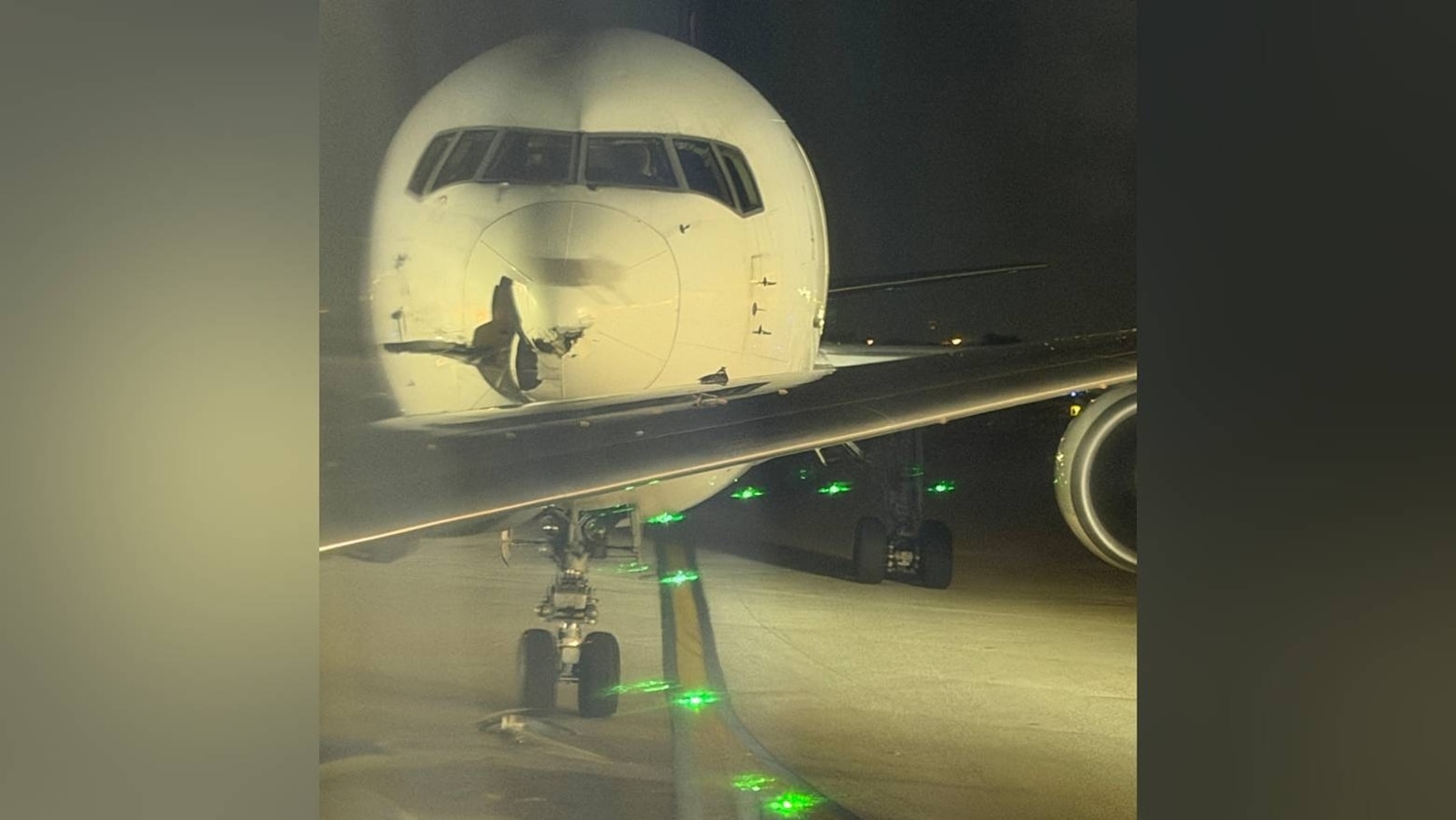
- Point of Contact: The left wingtip of the Copa Airlines Boeing 737 struck the nose of the UPS Boeing 767, causing visible damage to the cargo jet's nose section.
- Injuries: Two people sustained minor injuries and were treated on-site without needing hospitalization.
What Authorities Are Saying
Airport administrators moved quickly to assure travellers that the tarmac collision would not trigger wider terminal gridlock. Greg Chin, communications director for the Miami-Dade Aviation Department, confirmed that arriving and departing flights were diverted onto alternate taxiways around the incident site.
Flights are being directed to other taxiways, so there is no impact to airport operations at this time. Two patients were treated on the scene by Miami-Dade Fire Rescue for minor injuries and did not require medical transport.
Both carriers also issued statements confirming crew safety and cooperation with federal investigators. In a statement posted on X, UPS Airlines said its crew was safe and emphasized that working with authorities to determine what happened remained its highest priority. Copa Airlines separately confirmed that all 166 passengers had deplaned at the terminal.
The Investigation
The Federal Aviation Administration has opened a formal investigation into the taxiway incursion. While preliminary air traffic control audio indicates the UPS crew acknowledged advancing past their hold point despite instructions to yield, investigators will examine cockpit recordings, ground radar data, and taxiway markings to determine the exact sequence of events.
The collision took place one day after U.S. aviation networks endured severe strain from a Friday nationwide FAA ground stop triggered by instability in radar and communications systems. Transportation Secretary Sean Duffy stated Saturday that air traffic control communications had returned to full operations prior to the Miami incident, though federal investigators have not indicated whether broader network recovery played any role on the ground.
Implications for Passengers and Operators
For travellers passing through Miami International Airport—a major connecting hub for Canadian snowbirds and flyers heading to Latin America and the Caribbean—the immediate operational fallout remains minimal. Because ground controllers bypassed the blocked taxiway intersection immediately, departing and arriving schedules continued without cascading cancellations.
According to FAA Administrator Bryan Bedford, U.S. airlines remain on track to fully restore schedules across the country by the end of Sunday following Friday's system disruptions. Passengers connecting through Miami or flying on Copa Airlines and partner carriers should still check their flight status directly with their airline before heading to the airport, as equipment swaps for damaged aircraft can occasionally cause localized gate or schedule adjustments.
Frequently Asked Questions
Were there any fatalities in the Miami airport plane collision?
No fatalities occurred. Two people suffered minor injuries and were treated on the scene by Miami-Dade Fire Rescue without needing to go to the hospital, while all 166 passengers and six crew members aboard the Copa Airlines flight disembarked safely.
Which airlines and aircraft were involved in the Miami taxiway collision?
The collision involved Copa Airlines Flight CM427, a Boeing 737 arriving from Panama City, and UPS Flight 358, a Boeing 767 preparing to depart for Bogotá, Colombia. The Copa jet's left wingtip struck the nose of the UPS cargo plane.
Are flights delayed at Miami International Airport because of the crash?
Airport officials stated there is no impact to broader airport operations. Ground controllers directed other planes to alternate taxiways around the intersection where the collision took place.
Who is investigating the Miami International Airport ground collision?
The Federal Aviation Administration (FAA) is investigating the incident. Controllers had instructed the UPS crew to give way to the Copa Airlines aircraft prior to the contact.