Climate change today: Heat-damaged roads expose a costly U.S. challenge
For drivers across the United States, the road damage seen during the Fourth of July heat wave is a warning about what hotter, wetter conditions can do to everyday infrastructure. Extreme temperatures caused pavement failures in Maryland and Chicago, while transportation agencies warned motorists to watch for more heat-related damage. Engineers say climate change is pushing some roads beyond the temperature and rainfall ranges they were designed to handle, raising questions about repair costs, traffic disruption and how future highways should be built.
Context & Background
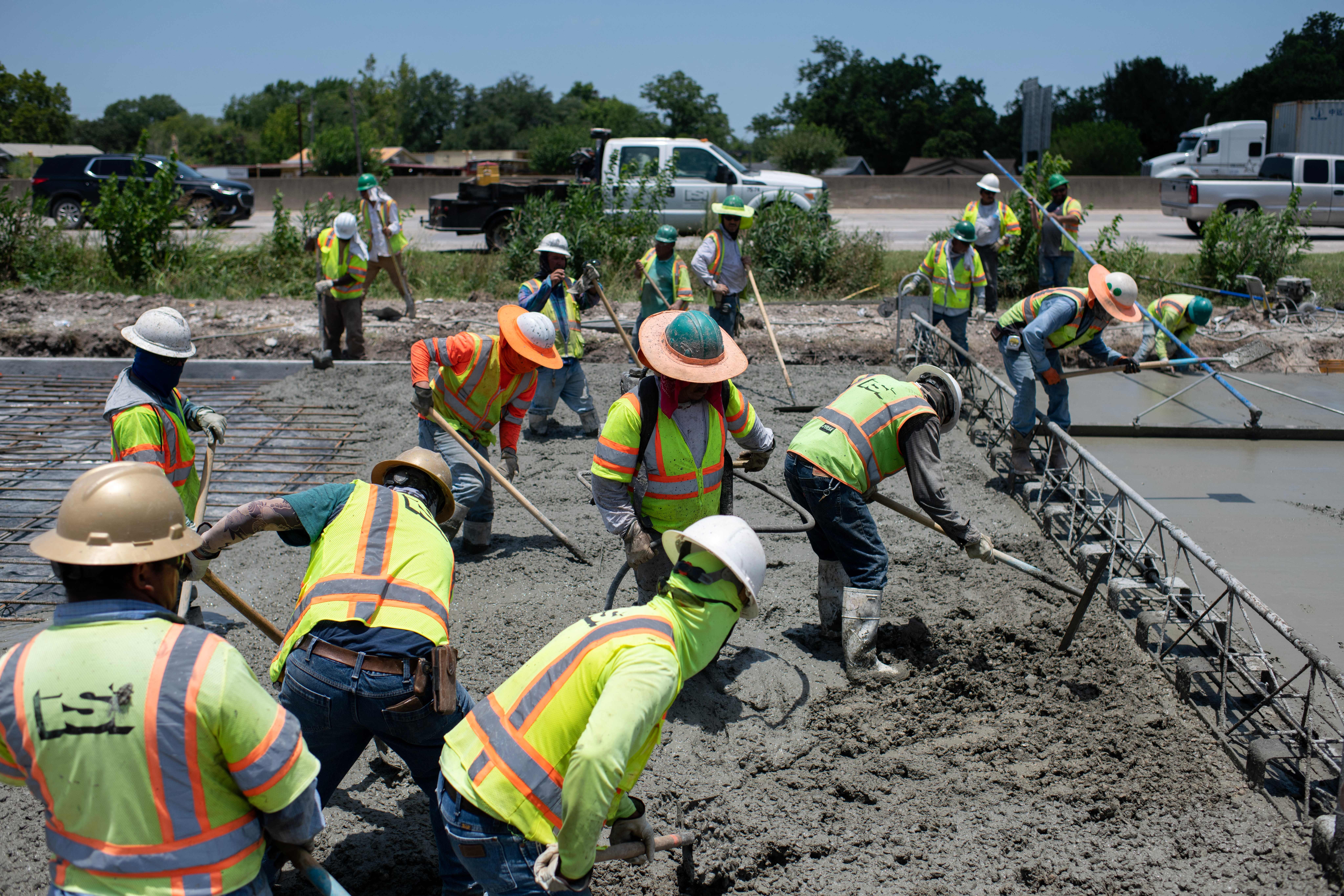
Roads are built around expected conditions. Civil engineers cited by NPR's report on heat-damaged roads said asphalt and concrete mixes are designed for a certain temperature range. When prolonged heat moves beyond it, weaknesses can appear quickly.
Moisture adds another layer of stress. Charles Marohn, founder and president of Strong Towns, said water beneath a roadway can weaken pavement; when that surface heats up and expands, it can buckle or break. Scientists cited in the report say heat waves are becoming more common and intense, while climate change is also driving heavier rainfall.
- Rigid pavement
- Concrete roadway designed in panels, often with steel reinforcement or expansion joints.
- Expansion joint
- A gap between concrete panels that gives pavement room to expand in heat.
- Rutting
- Grooves that form in asphalt, especially where heavy vehicles move slowly in hot conditions.
Here's What Happened
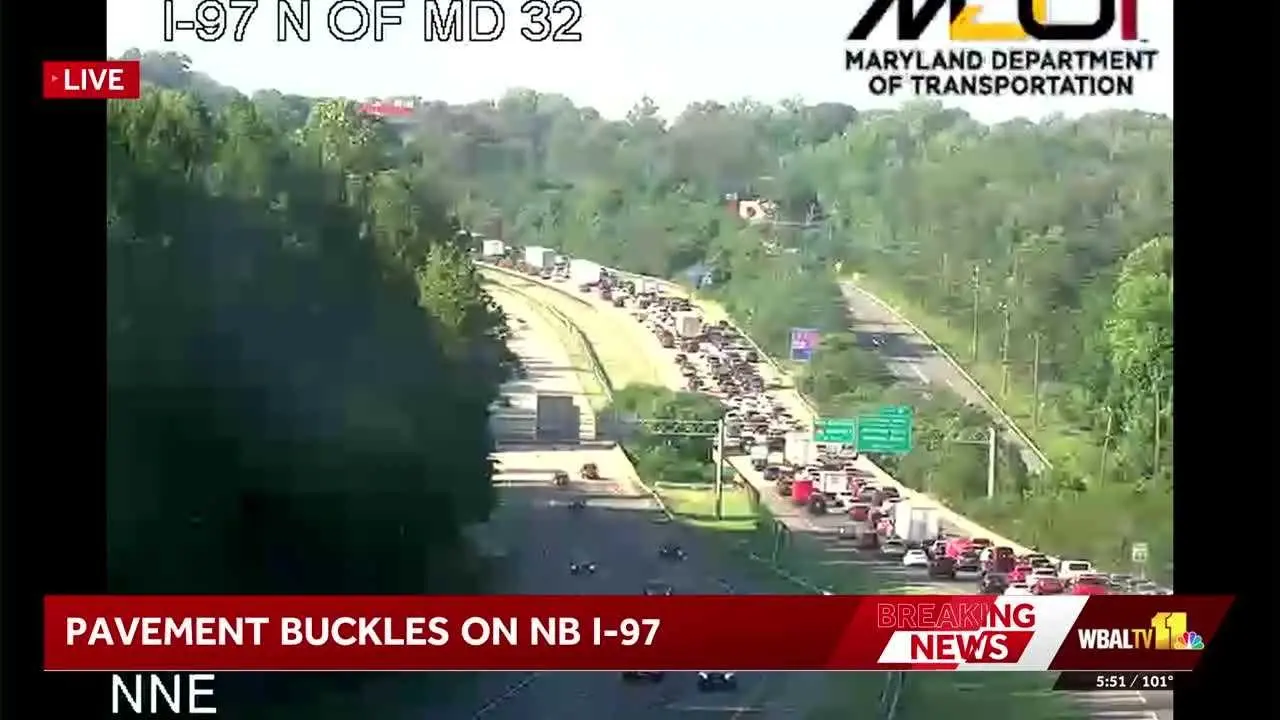
During the Fourth of July weekend heat wave, a section of Interstate 97 in Anne Arundel County, Maryland, failed near the Brightview Drive overpass. WTOP reported that the concrete buckled from shoulder to shoulder, pushing slabs and rebar upward across all three northbound lanes. Crews initially allowed traffic to move through the grass median before northbound vehicles were diverted to Benfield Boulevard and Veterans Highway.

A second, smaller area of concrete damage was later found in nearby southbound lanes, where two left lanes were blocked. The holiday travel period was also complicated by a crash, roadway debris and a later closure caused by downed wires.
The Maryland failure was not isolated. NPR reported a less dramatic pavement failure in Chicago, while several state transportation departments warned drivers about additional heat-related damage. During the record-breaking July 2012 heat wave, part of Route 50 also buckled near Bowie.
Concrete and asphalt fail differently. University of Texas at Austin professor Amit Bhasin said concrete can expand beyond what its joints and reinforcement can absorb, while asphalt can soften and form ruts. Concrete usually lasts longer but takes more time to repair; asphalt is cheaper initially but generally needs more frequent resurfacing.
The Response
Maryland transportation officials linked the I-97 failure to the combination of prolonged heat and traffic. Charlie Gischlar, a Maryland Department of Transportation spokesperson, described the pressure on the pavement:
You take that prolonged period of just intense heat, a lot of traffic on top of it, and that's when you have something like this happen.
Engineers say adaptation is possible, but every option carries trade-offs. More durable asphalt can cost more, while concrete roads can use different steel reinforcement, joint spacing or panel sizes. Bhasin said the central problem is having enough climate data to define future design conditions.
Engineers have figured this out, and they can design it. They just need to know what to go off of.
The Bigger Picture
The practical issue for U.S. communities is cost. Stronger roads can require more expensive materials and construction; the alternative is accepting more closures, emergency repairs and traffic disruption when heat extremes strike.
Mikhail Chester, an engineering professor at Arizona State University, said much of the country's infrastructure was designed for milder temperatures. Hotter extremes can exceed those thresholds, pushing transportation agencies to update design assumptions and decide where higher upfront spending is justified.
For drivers, buckled pavement can close lanes with little warning and create detours. For governments, the harder question is where to spend limited infrastructure money before failures happen. The I-97 episode shows how one stretch can interrupt a route during travel.
The Road Ahead
Engineers cited by NPR said future pavement design should incorporate trends that predict different extreme-event scenarios. The next challenge is deciding which roads need more conservative standards and how much additional cost communities are willing to carry.
There is no single fix. Asphalt mixes, concrete reinforcement, joint spacing and panel size can all be adjusted, but the right choice depends on the temperatures and rainfall a road is likely to face.
Frequently Asked Questions
Why do roads buckle in extreme heat?
Heat makes pavement expand. If moisture has weakened the road underneath and the pavement expands beyond what its design can absorb, concrete can warp or buckle.
What happened on Interstate 97 in Maryland?
A concrete section near the Brightview Drive overpass buckled during the Fourth of July heat wave. The failure pushed concrete and rebar upward across all three northbound travel lanes, forcing closures and diversions.
Does climate change damage roads?
The sources report that climate change is driving more extreme heat and heavier rainfall. Heat can expand pavement, while water can weaken the road underneath, creating conditions that make failures more likely.
Are concrete roads better than asphalt roads in extreme heat?
Neither material is a complete solution. Concrete often lasts longer but can fail suddenly and take longer to repair, while asphalt is cheaper up front and easier to repair but generally needs more frequent maintenance.
How can engineers make roads more resilient?
Options include more durable asphalt, different amounts of steel reinforcement in concrete, revised joint spacing and different panel sizes. Engineers also say better climate and weather data should be built into pavement design decisions.

Resources
Sources and references cited in this article.