

Last updated: 23 September 2026
Record-Breaking 'Godzilla' El Niño Set to Bring Stormy Winter to Britain
As scientists confirm that the developing El Niño climate phenomenon has reached unprecedented levels, households across Great Britain are being urged to prepare for a particularly wet and stormy winter. While the tropical Pacific Ocean may feel thousands of miles away, meteorological experts warn that remote atmospheric connections will significantly increase the likelihood of heavy rainfall and severe wind storms across north-west Europe in the coming months.

The Story at a Glance
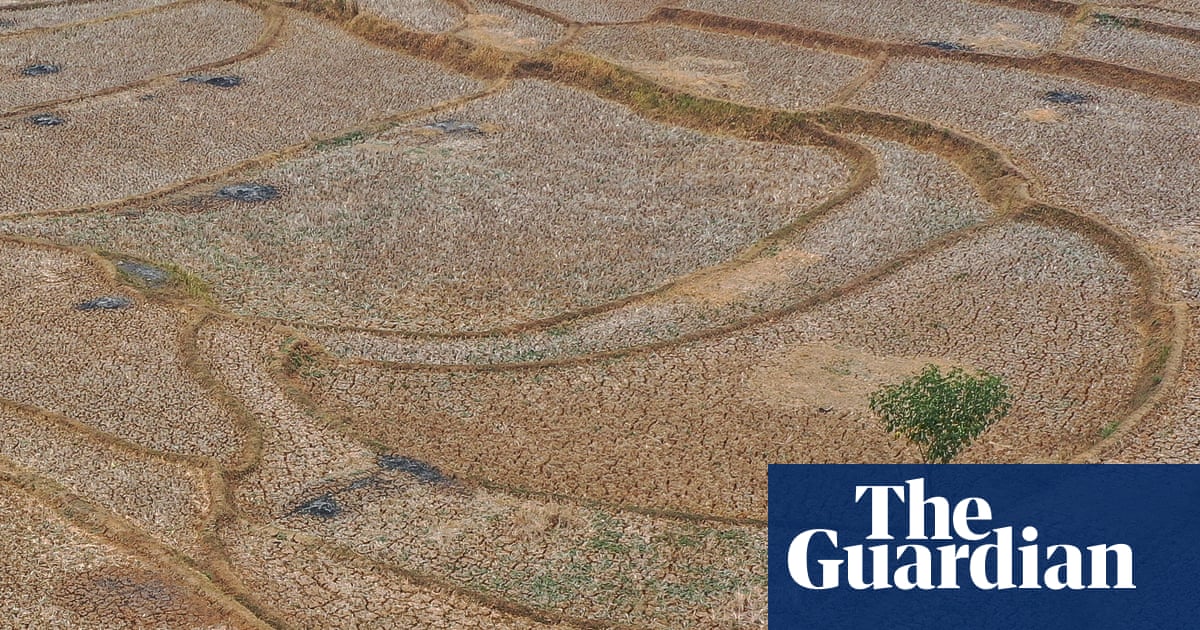
Sea surface temperatures in the central-eastern Pacific have surged beyond previous historical highs, officially crossing into 'super' El Niño territory months ahead of its expected seasonal peak. Researchers monitoring daily anomalies note that the current event is outpacing the historic 2015-2016 phenomenon. Although El Niño is a natural climate cycle that occurs every two to seven years, this year's exceptionally powerful cycle is unfolding against the backdrop of a globally warmed climate system, amplifying weather extremes worldwide.
How the Story Developed
The phenomenon began building momentum earlier this year, with forecasters declaring the official onset of El Niño in June. By mid-September, daily sea surface temperatures in key Pacific regions reached 3.05°C above average, shattering previous records set during past major events. Climate researchers from organizations including the Met Office noted that while every El Niño behaves differently, the sheer magnitude of the current ocean heating has left international scientists describing the event as 'mind-blowing' and 'Godzilla-level'. As the phenomenon tracks toward its winter peak between November and January, governments and emergency agencies globally are scrambling to implement preparedness measures.
Key People and Details
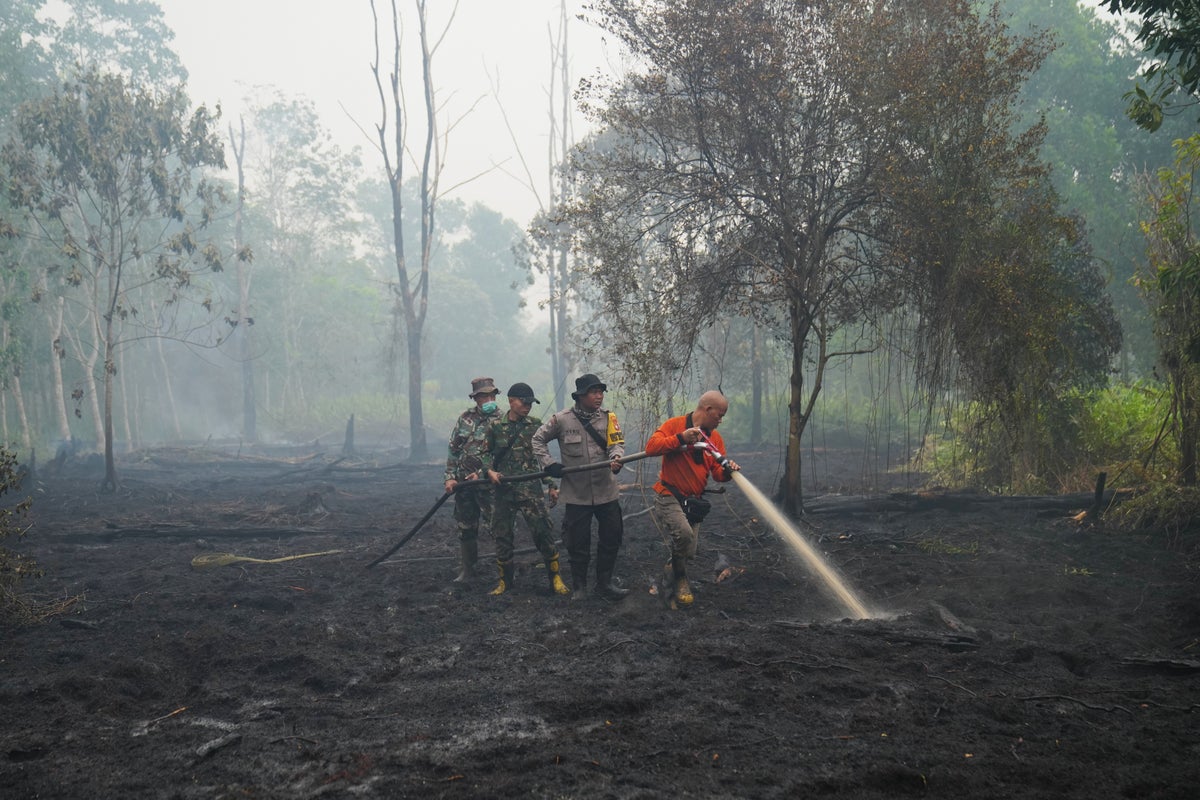
The severe weather shifts carry significant implications for infrastructure, agriculture, and supply chain resilience in Britain. Government officials and supply chain experts have advised the public to take practical precautions against potential disruptions caused by severe winter storms. Professor Richard Wilding, an expert in supply chain strategy, noted that items typically abundant in supermarkets could experience temporary shortages if transport links are severely affected by prolonged storms. To build household resilience, nutrition scientists recommend keeping basic supplies on hand, including between two and three litres of drinking water per person daily, alongside non-perishable food staples such as oats, rice, lentils, and canned goods.
Reaction and Response
Domestically, local authorities and municipal assemblies are reviewing emergency readiness plans. In a recent motion, municipal leaders urged public bodies, businesses, and residents to prepare for an intense storm season characterized by increased rainfall and strong winds. Meanwhile, international research published by the Climate Impact Lab warns that the extreme heat and associated droughts driven by the phenomenon could lead to severe health and agricultural pressures globally, underscoring the interconnected nature of modern climate extremes.
What to Watch
Scientists will closely track the Pacific Ocean temperatures over the coming weeks as the El Niño event reaches its projected peak between late autumn and early winter. Observers in Britain will monitor seasonal forecast updates from the Met Office to gauge the precise timing and severity of expected low-pressure systems and potential late-winter cold snaps.
Frequently Asked Questions
What is El Niño and why is it so strong this year?
El Niño is a naturally occurring climate pattern marked by warmer-than-average sea surface temperatures in the central and eastern tropical Pacific. This year's event has broken historical daily records due to intense ocean heating acting on top of an already-warmed global climate system.
How does El Niño directly affect the weather in Britain?
Although the tropical Pacific is thousands of miles away, atmospheric connections influence jet stream positions, leading to an increased probability of wet, stormy, and unsettled conditions across north-west Europe during late autumn and winter.
Are food supplies in Britain at risk from extreme weather?
While food is not facing immediate scarcity, official advisories note that extreme weather and potential supply chain disruptions can temporarily impact availability, prompting recommendations for households to maintain basic emergency provisions.
How can households in Britain prepare for winter storms?
Experts recommend checking home drainage systems, securing outdoor property against high winds, and maintaining a short-term supply of essentials, including drinking water and non-perishable food items.

Resources
Sources and references cited in this article.