
Last updated: 27 July 2026
France is preparing a crisis cabinet meeting on Monday as a fast-moving Gironde wildfire pushes towards Bordeaux and another heatwave threatens firefighting. The blaze has burned about 42,000 hectares in south-west France, forced mass evacuations and created a fire-generated thunderstorm that crews say is behaving unpredictably. Bordeaux itself was not under an evacuation order in the latest official updates, but nearby communities have been cleared and thousands of displaced residents are sheltering in the city.
What Is Happening
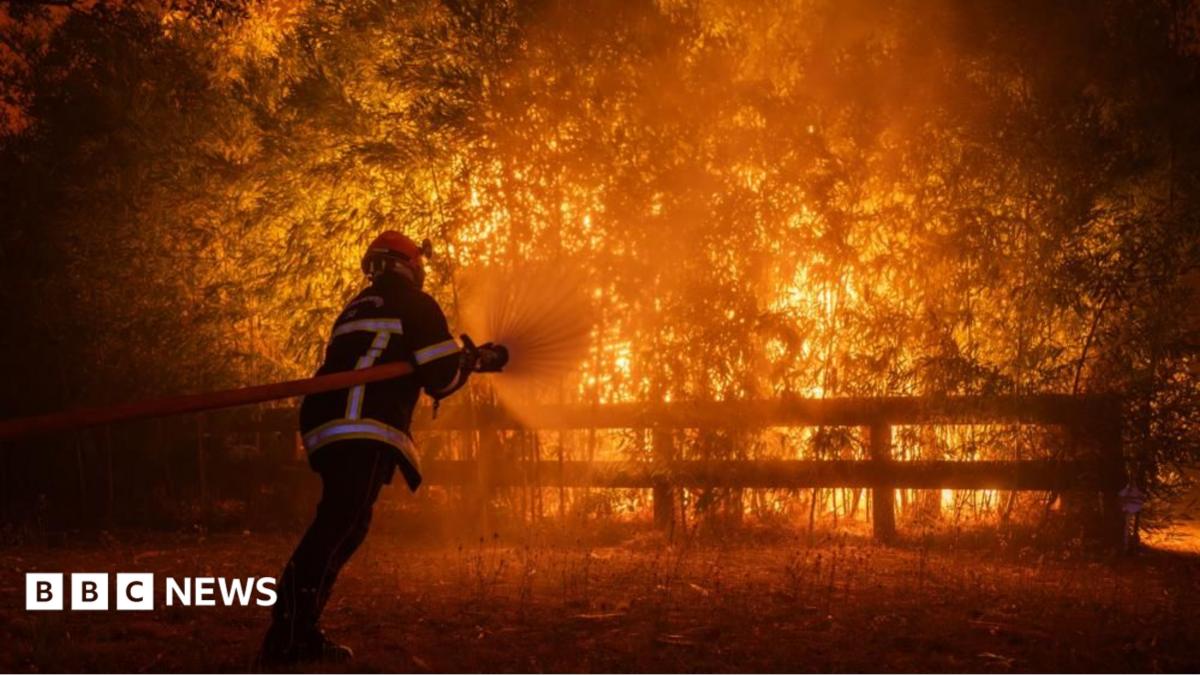
Firefighters are trying to stop the Gironde blaze from reaching Bordeaux after it moved to within roughly 15km of the city's entry points, according to the mayor in the BBC's latest report. France's interior minister, Laurent Nuñez, said the fire had again become extremely violent, was generating its own wind and was shifting direction erratically.
More than 220,000 people have been evacuated in south-west France, while the combined number displaced by fires in France and Spain has passed 300,000. The Gironde response includes 2,500 firefighters, 1,500 military personnel, 1,200 police officers and hundreds of volunteers.
The fire has already had a heavy human cost. At least 84 firefighters have been injured in Gironde since Wednesday, and Euronews reported that two firefighters were killed while tackling flames in the Mérignac suburb of Bordeaux earlier in the week.
The Background
The blaze began around Saumos and advanced towards Le Porge and Lège-Cap-Ferret, coastal communities west of Bordeaux. Heat and shifting winds helped it spread through pine forest, bracken and fern. Le Porge, a commune of about 3,500 people, was badly damaged, with more than 100 homes destroyed or affected in one local estimate.
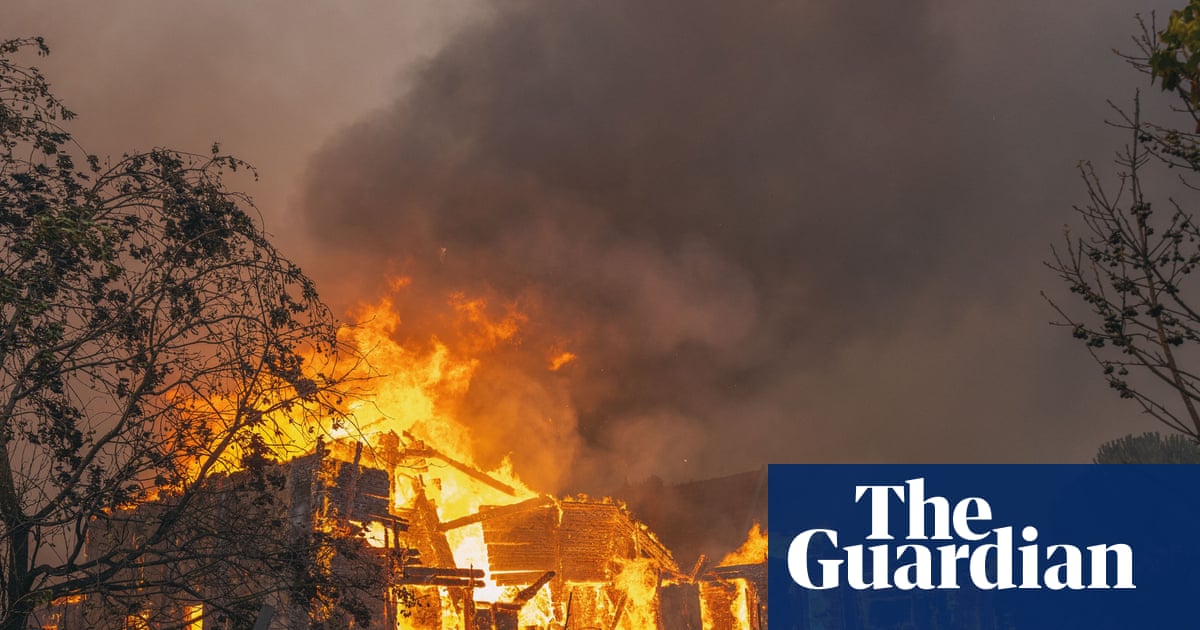
The Gironde fire has burned an area described as four times the size of Paris and is among the largest forest fires in France since the Second World War. Across France, around 98,000 hectares have burned since January.
This is not a conventional advancing wall of flame. The wildfire has produced a pyrocumulonimbus, a towering fire cloud formed when extreme heat forces air rapidly upwards. The cloud can generate its own winds and lightning, creating multiple fire fronts and making the blaze much harder to predict or attack directly, according to France 24's fire-cloud explanation.
The Latest Development
Attention has intensified because the fire's behaviour worsened again over the weekend just as forecasts pointed to another surge in heat. Temperatures could reach 40C in parts of France from Tuesday, and no meaningful rain was expected in the main fire zones for several days.

President Emmanuel Macron was due to hold a crisis cabinet meeting on Monday. Local authorities have opened a Bordeaux exhibition centre as an emergency shelter, with thousands of evacuees sleeping on camp beds. Officials are also building firebreaks and using aircraft to drop water and retardant.
The emergency has begun to reshape major public events and travel. The final stage of the Tour de France was shortened by 44km after security staff were reassigned to wildfire operations. The prefect of Nouvelle-Aquitaine urged tourists not to travel to Gironde while the fire remains uncontained, and visitors already in the area were advised to consider another destination.
What It Means
For residents, the immediate problem is not only flames but smoke. People in central Bordeaux described staying indoors with windows shut as the sky darkened and the smell entered homes. Families with young children, older relatives or breathing problems face the greatest difficulty when air quality deteriorates.
For British travellers, the practical message is that plans around Bordeaux, the Atlantic coast and nearby holiday areas may change quickly. Some camps and local services have been cancelled, roads and public transport may be disrupted, and French authorities advised postponing visits to the worst-affected zone for 24 to 48 hours, according to resident and travel accounts.
The economic effects are also spreading. Tourism businesses depend heavily on the summer season, while evacuees do not know when they can return. Bordeaux's mayor has asked the central government for an economic crisis plan because businesses and workers west of the city have been displaced.
What Remains Unclear
The biggest unknown is the fire's route. Its self-generated winds mean the front can change direction quickly, and firefighters have said they cannot fight it in the usual way. Officials have not given a reliable date for full containment or for residents to return home.
A city-wide evacuation of Bordeaux was not planned in the latest mayoral update, but contingency planning has been discussed as surrounding communities are cleared. The cause of the main Gironde fire has not been confirmed in the supplied reports. Police made several arrests over alleged breaches of forest restrictions, but the reports do not link those arrests to the origin of the blaze.
Frequently Asked Questions
How close is the wildfire to Bordeaux?
The mayor said the fire had moved to about 15km from the city's entry points, while surrounding communities had already been evacuated.
Is Bordeaux being evacuated?
No city-wide evacuation was planned in the latest official update, although emergency shelters and contingency preparations were in place.
How much land has burned in Gironde?
About 42,000 hectares had burned, an area described as roughly four times the size of Paris.
What is a pyrocumulonimbus?
It is a fire-generated thunderstorm cloud that can create its own winds and lightning, making a wildfire more erratic.
Are tourists being told to leave?
Authorities urged tourists not to travel to Gironde while the fire remains uncontained and advised some visitors to consider another destination.
Will the heatwave make the fire worse?
Forecasts indicated temperatures could rise towards 40C, with no significant rain expected in the hardest-hit areas for several days.