Andy Serkis has revealed that filming The Lord of the Rings led to a disagreement with Elijah Wood and Sean Astin over how his performance as Gollum was treated. Speaking in interviews reported on 17 November 2026, the British actor explained how the pioneering motion-capture process caused tension on set. His comments come as he directs and stars in The Lord of the Rings: The Hunt for Gollum, scheduled for release in December 2027. They also reopen a wider conversation about whether digitally transformed performances receive the recognition they deserve.
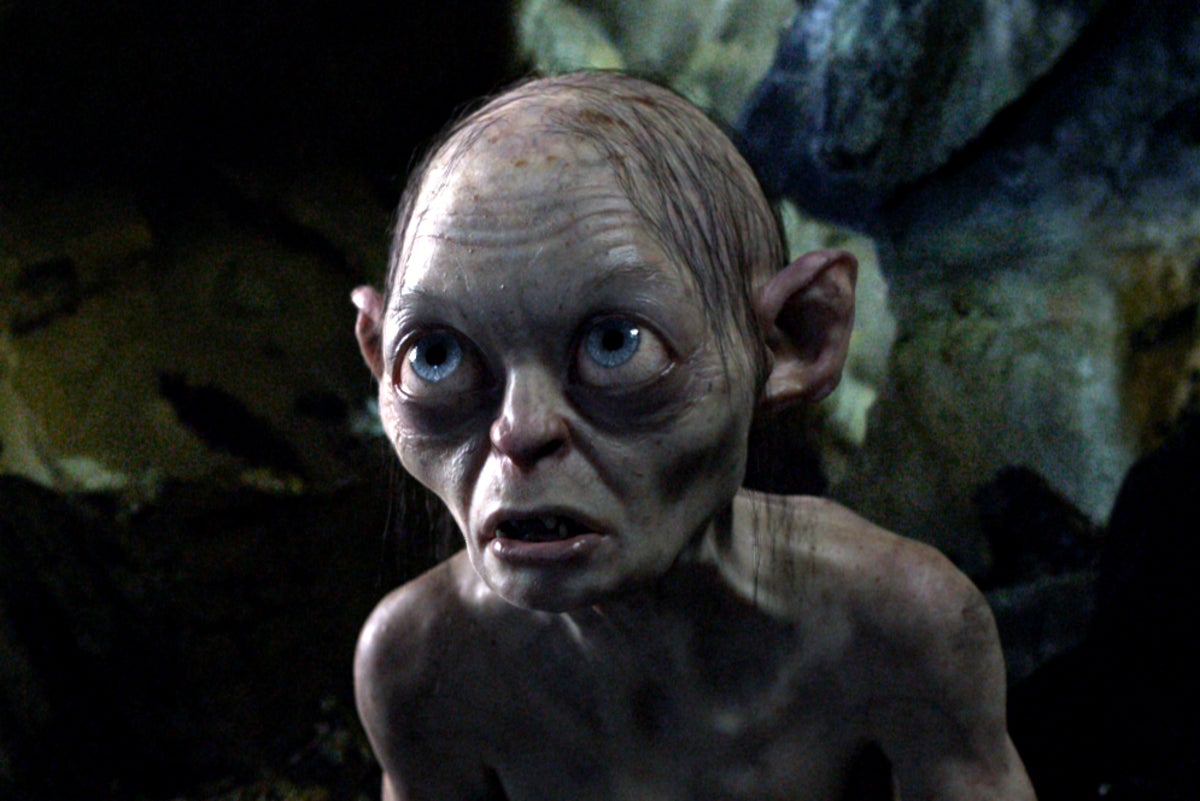
Why Everyone Is Talking About Him
Serkis is back in the spotlight for two connected reasons: his account of an unexpected disagreement during the original trilogy and his renewed defence of performance-capture acting.
In an interview with Radio Times, reported by The Independent, Serkis described how Wood and Astin initially approached scenes involving his digitally created character as though they were rehearsals rather than finished performances.
The misunderstanding mattered because Serkis was delivering an acting performance even though Gollum's final appearance would be created digitally. His work helped establish motion capture as a major filmmaking technique, but its relationship with conventional acting was not always understood.
The renewed attention also coincides with the publication of his memoir, My Pressures: The Bizarrely True Story of Andy Serkis, released on Tuesday.
What Happened
Serkis first portrayed Gollum in Peter Jackson's The Lord of the Rings: The Fellowship of the Ring in 2001. The character combined his physical performance with computer-generated imagery, creating a digital figure whose movements and expressions came from an actor.
During filming, Serkis felt that Wood, who played Frodo Baggins, and Astin, who played Samwise Gamgee, were not treating their shared scenes with the seriousness he expected. The resulting disagreement involved harsh words, although Serkis said the actors eventually understood one another.
The incident reflects the unusual working conditions surrounding Gollum. Unlike a conventional costume or prosthetic transformation, the character's final appearance depended on digital production work after the performance had been recorded.

His subsequent roles included Kong in King Kong and Caesar in the Planet of the Apes films. These performances further established his association with characters whose physical appearance is transformed through technology.
The original Lord of the Rings trilogy ran from 2001 to 2003, followed by The Hobbit films between 2012 and 2014. Each trilogy earned approximately $2.9 billion worldwide, according to The Independent.
What He Said
Serkis described the disagreement with Wood and Astin in unusually candid terms, while making clear that the relationship recovered.
It wasn’t really a falling-out. Well, it was a falling-out.
He explained that the disagreement arose because his fellow actors initially approached the motion-capture scenes differently. Once they understood each other's working methods, the tension was resolved.
In another interview, reported by Variety, Serkis discussed how his attitude towards defending the technology has changed over time.
Because this technology is so misunderstood. I used to be evangelical.
He explained that he previously spent considerable time arguing that performance capture was genuine acting, but has since become less concerned about persuading everyone.
His comparison between digital characters and actors wearing prosthetics highlights the central issue: both involve a human performance transformed by a visual process, yet audiences and awards organisations may perceive them differently.
The Reaction
The discussion has attracted attention from the film industry itself, particularly through comments made by director Peter Jackson in May.
Jackson linked the debate over recognising digitally created performances to contemporary concerns about artificial intelligence in filmmaking. He argued that Serkis's Gollum performance was fundamentally human rather than generated by AI.
That distinction matters because motion capture records an actor's work, whereas the debate Jackson referenced concerns how audiences and awards bodies understand technology's involvement in screen performances.
For British film audiences, the issue also connects to the wider discussion about protecting performers' creative contributions as digital production methods develop. Serkis's experience provides a specific example of how recognition can become complicated when an actor's face is replaced by a computer-generated character.
Neither report supplies evidence of a renewed dispute between Serkis, Wood and Astin. His account describes a past misunderstanding that was resolved during the original production.
What Happens Next
Serkis is currently filming The Lord of the Rings: The Hunt for Gollum, returning to the character while also directing the film.
The story takes place between The Hobbit trilogy and The Fellowship of the Ring. It follows Aragorn as he attempts to locate Gollum before the creature can reveal the One Ring's location to Sauron.
Several familiar performers are returning, including Elijah Wood as Frodo, Ian McKellen as Gandalf and Lee Pace as Thranduil. New cast members include Jamie Dornan as Strider, Kate Winslet as Marigol, Leo Woodall as Halvard and Anya Taylor-Joy as an elf.
The confirmed theatrical release date is 17 December 2027. Serkis's return therefore brings his best-known performance back to cinemas while placing him in charge of the film's direction.
His newly released memoir provides another opportunity for readers to explore his career and experiences working with digitally created characters.
Frequently Asked Questions
Why did Andy Serkis fall out with Elijah Wood and Sean Astin?
Serkis said the actors initially treated motion-capture scenes involving Gollum almost like rehearsals. Their disagreement was resolved after they understood each other's approach.
Is Andy Serkis playing Gollum again?
Yes. He is reprising Gollum in The Lord of the Rings: The Hunt for Gollum and is also directing the film.
When is The Hunt for Gollum released?
The film is scheduled for theatrical release on 17 December 2027.
Who is returning for the new Lord of the Rings film?
Confirmed returning performers include Andy Serkis, Elijah Wood, Ian McKellen and Lee Pace.
What is Andy Serkis's new memoir called?
His memoir is titled My Pressures: The Bizarrely True Story of Andy Serkis and was released on Tuesday, 17 November 2026.