
Boycott of Eurovision 2026: Political Tensions Rise as Countries Withdraw
The Eurovision Song Contest 2026 is already embroiled in controversy as several countries announce their boycott over Israel's participation. This trend digest explores the reasons behind the boycott, the countries involved, and the broader implications for one of the world's most popular music competitions.
Main Topic Overview
The Eurovision Song Contest has long been a platform where music and politics intersect. The 2026 edition is no exception, as the European Broadcasting Union (EBU) decision to allow Israel to compete has prompted backlash and boycotts from several countries. The move has sparked a debate about the intersection of politics and entertainment, with implications that could affect the contest's reputation and future participation.
News Coverage
Netherlands, Spain, Ireland and Slovenia boycott Eurovision after Israel allowed to compete
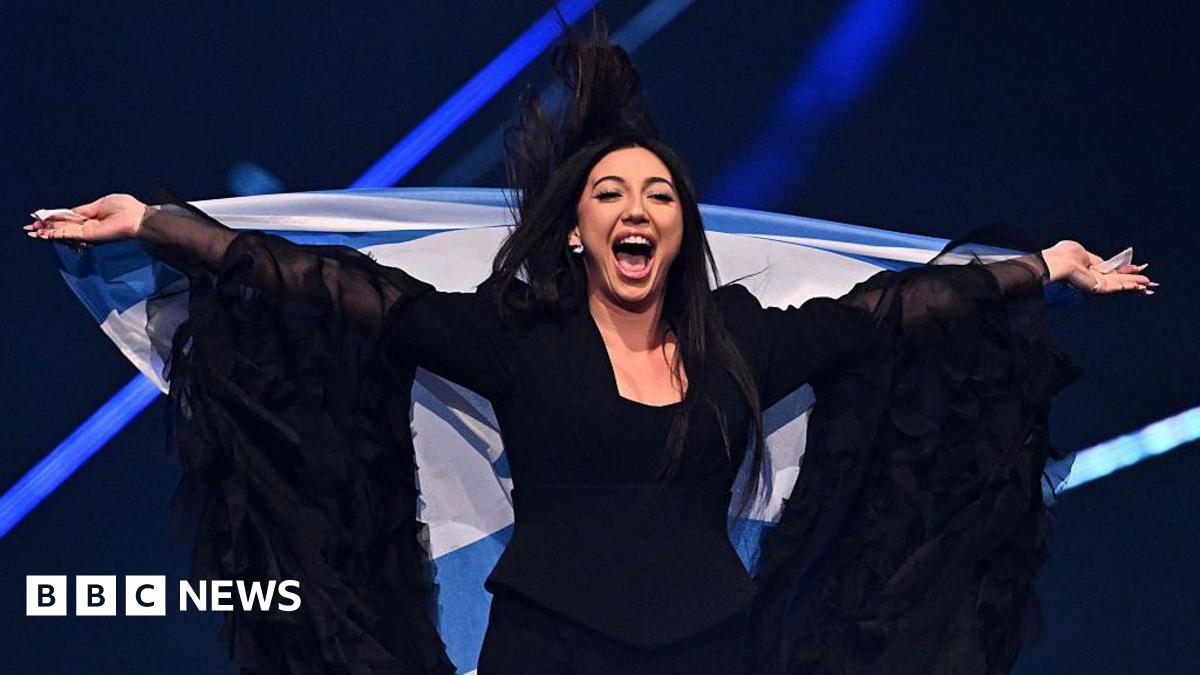
The BBC reports that four countries have decided to boycott the 2026 Eurovision Song Contest following the EBU's decision to allow Israel to participate. This marks a significant protest against the perceived political implications of Israel's inclusion, reflecting ongoing tensions in the international arena. The decision by these countries underscores the deep divisions within the Eurovision community regarding the contest's role as a platform for political statements.
Why four countries are boycotting 2026 Eurovision
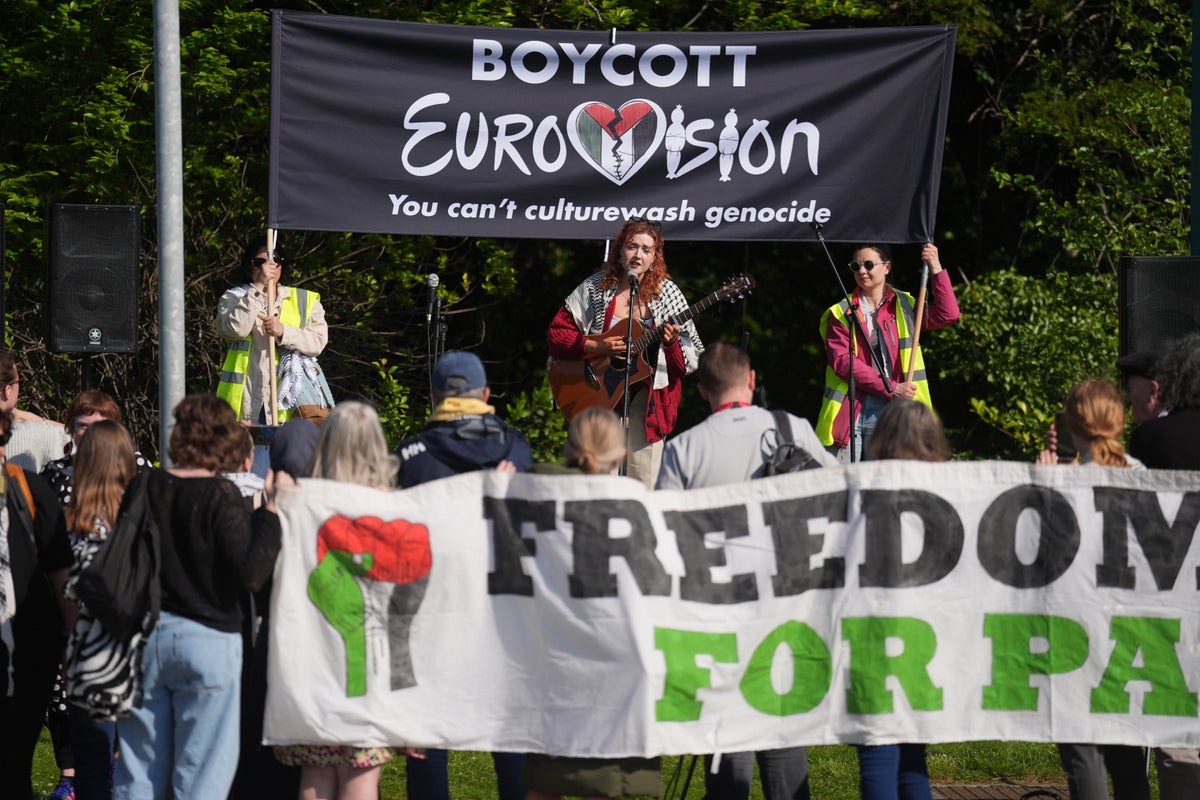
The Independent delves into the motivations behind the boycott, highlighting the geopolitical tensions between Israel and Palestine. The article suggests that for some countries, Israel's participation is seen as a tacit endorsement of its policies, which they oppose. The decision to withdraw from the contest is a form of protest against what they perceive as an unjust allowance, raising questions about the role of political considerations in cultural events.
Israel allowed to take part in Eurovision 2026 - as several countries withdraw
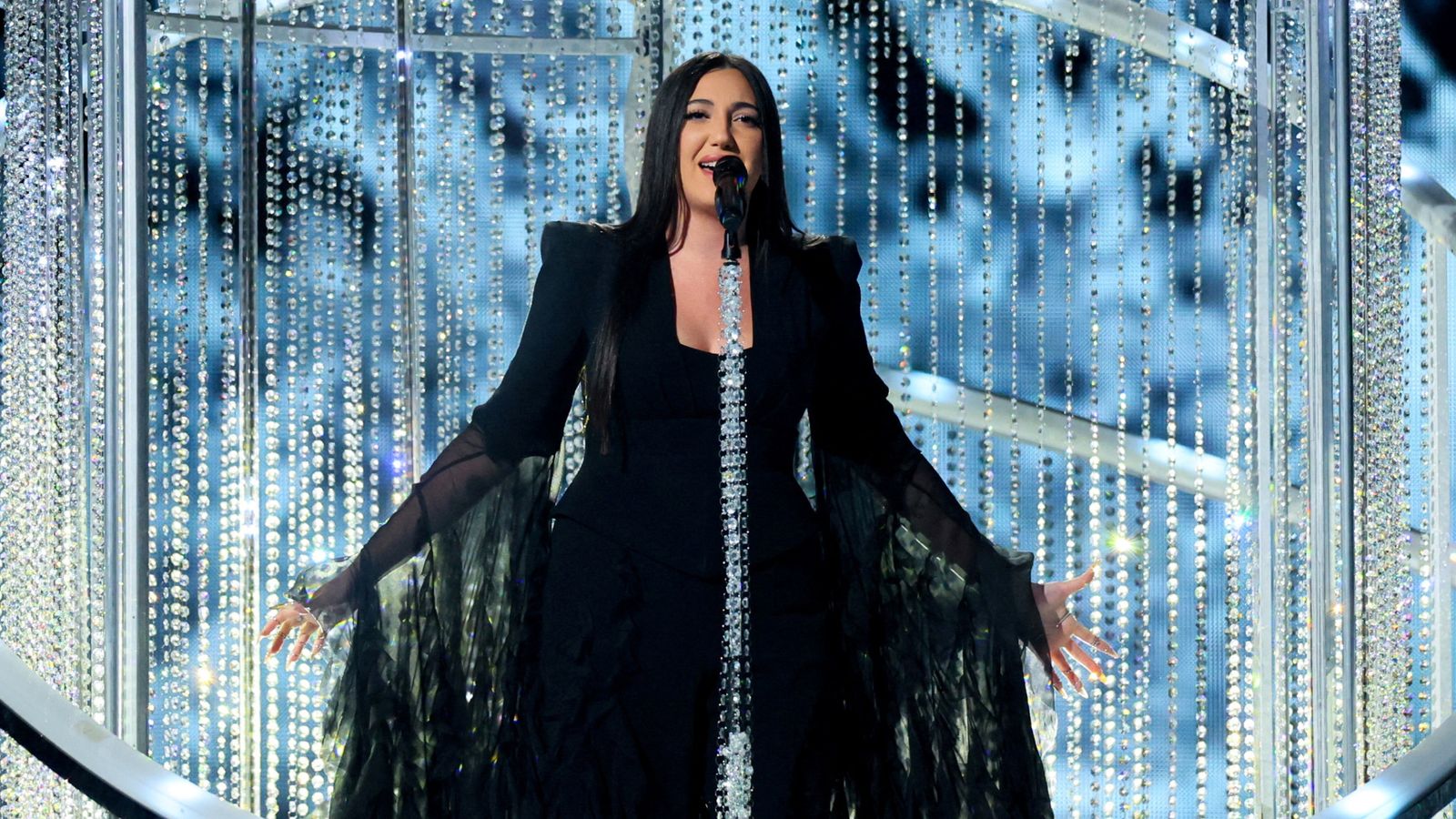
Sky News covers the unfolding story of the boycott, emphasizing the split within the Eurovision community. It explains that while some countries have chosen to withdraw, others have chosen to remain silent or support Israel's participation. This division highlights the broader debate over whether Eurovision should remain a purely musical event or engage with political issues.
Four countries to boycott Eurovision 2026 as Israel cleared to compete
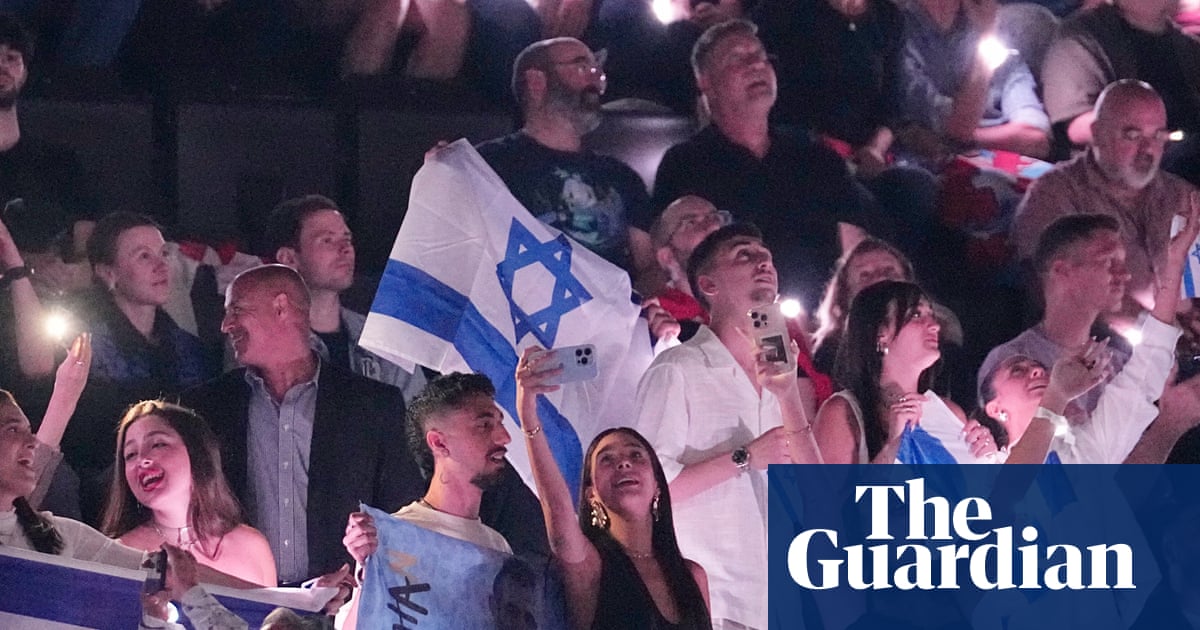
The Guardian's coverage details the specific countries involved in the boycott and their official statements. It notes that the decision has sparked widespread debate about the implications for Eurovision's future. The article suggests that while the boycott is significant, it may not lead to lasting change unless more countries join or the EBU reconsiders its stance.
Summary / Insights
The boycott of Eurovision 2026 by several countries due to Israel's participation underscores the interplay between politics and entertainment. While the immediate impact is the withdrawal of these countries, the long-term effects could include changes in how the contest addresses political issues. The media's coverage reflects a mix of support and criticism, highlighting the complexity of the issue. It remains to be seen whether this protest will lead to a broader reconsideration of Eurovision's role in international politics.


Resources
Sources and references cited in this article.