
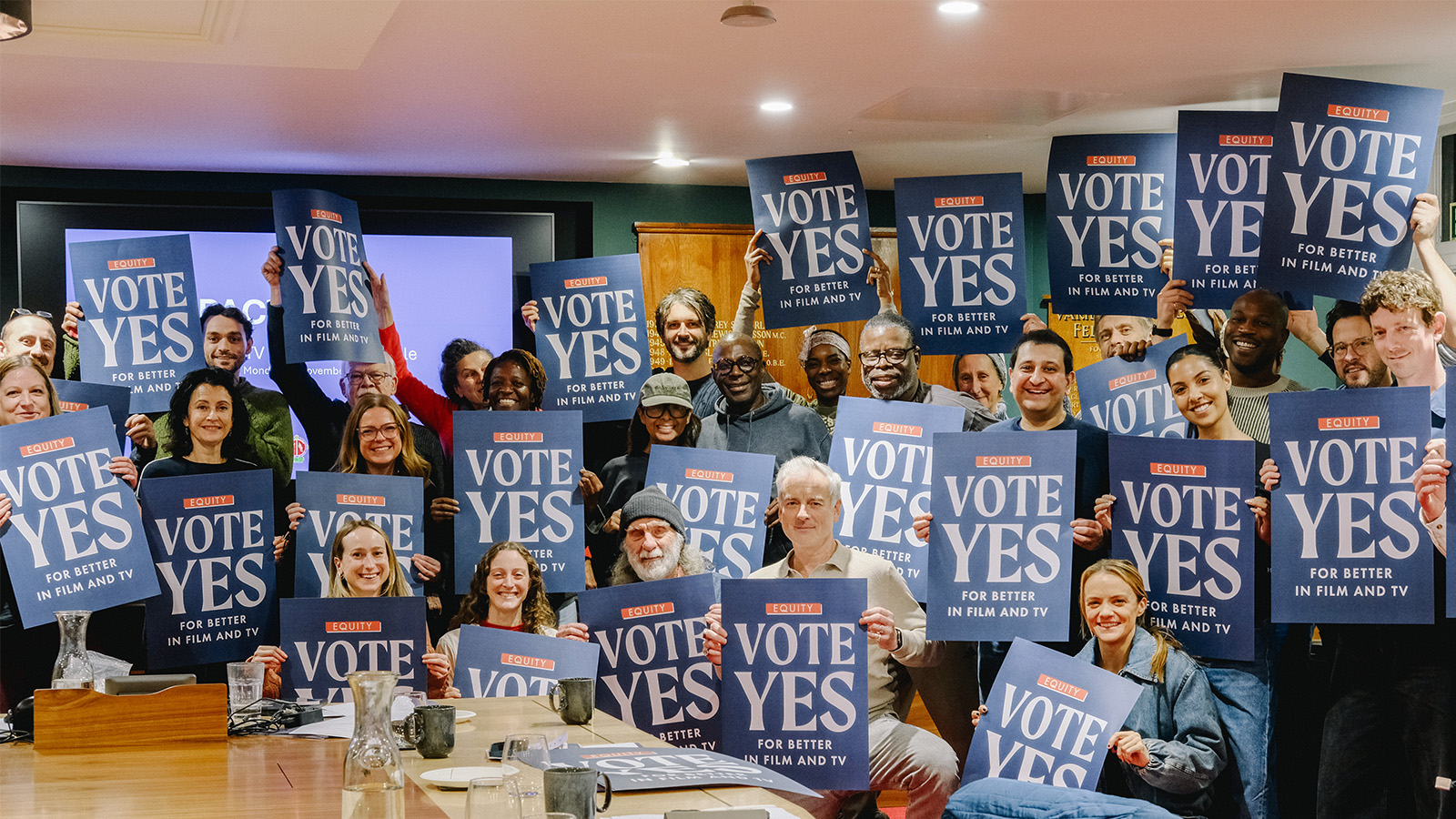
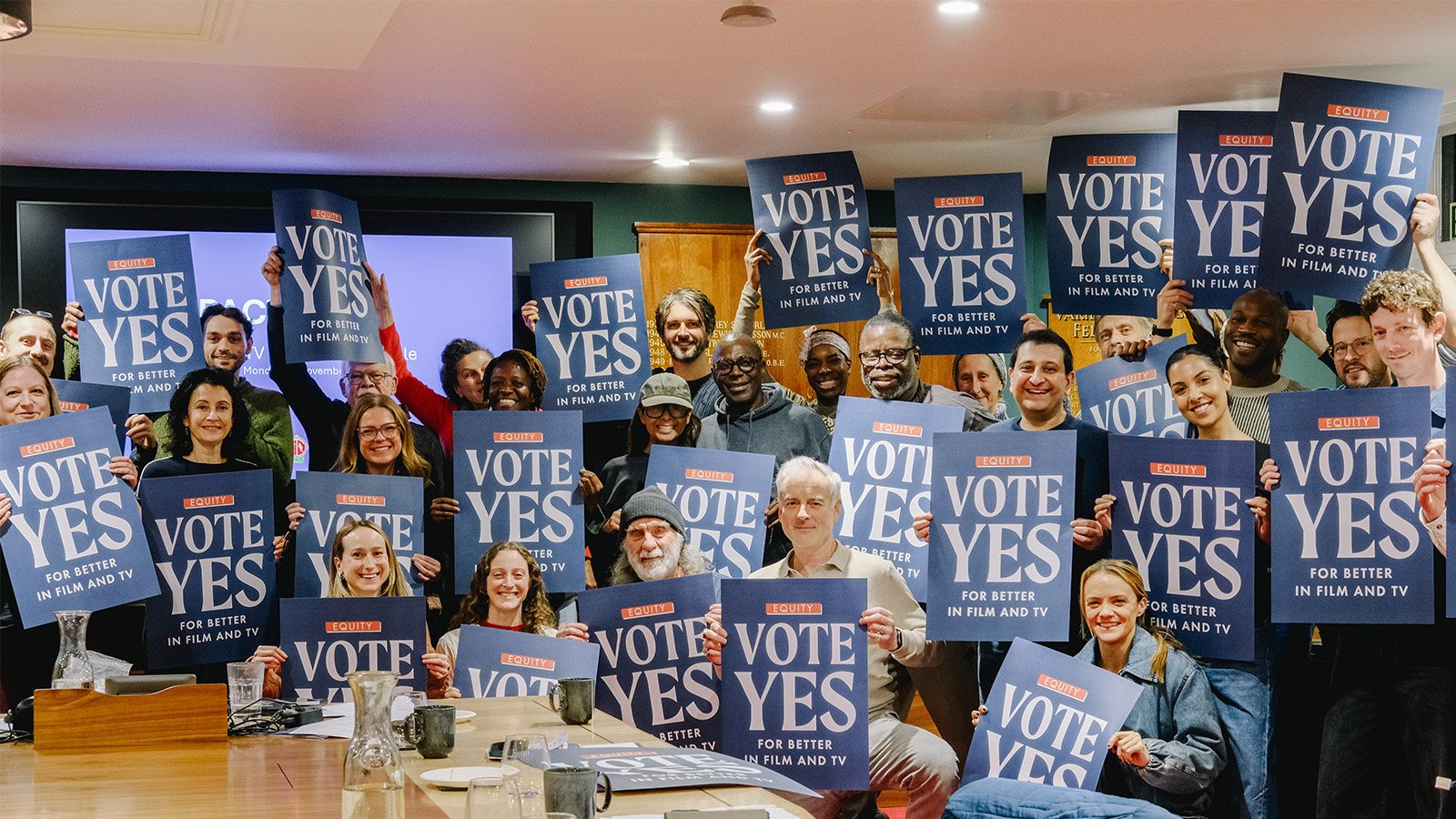
British actors could gain the right to approve and be paid for the use of their AI-generated digital replicas under a landmark agreement negotiated by performers' union Equity. Almost 8,000 performers are being asked to vote on the proposed three-year deal, which also delivers pay rises of up to 24.1% for major film productions. The agreement follows nearly three years of negotiations with producers' trade body Pact and repeated disputes over artificial intelligence. Voting opened on 16 November and closes at noon on 30 November 2026.
Why Everyone Is Talking About Them
The immediate focus is a proposed change in how British film and television productions can use artificial intelligence to reproduce performers' appearances and performances.
Equity says the agreement contains the first collective AI protections for performers in UK film and television. The provisions address digital replicas, alterations to recorded performances, synthetic performances and AI training licences.
The negotiations became particularly contentious over digital scanning. In an indicative ballot last December, 99% of participating Equity members supported potential industrial action and refusing to be scanned on set, according to the union.
The resulting offer would give performers greater control over how their likeness is reproduced while introducing new financial and workplace protections. Its significance extends beyond leading actors: dancers, stunt performers, puppeteers and voiceover artists are among those eligible to vote.
What Happened
Equity and the Producers Alliance for Cinema and Television, known as Pact, negotiated a package covering employment conditions across British film and television. The proposed agreement would run from 1 January 2027 to 31 December 2029 if members approve it.
The offer contains five particularly significant changes:
- AI consent: Performers would have rights to approve specific uses of digital replicas, receive information about those uses and be paid when replicas are used. Producers could not obtain blanket consent covering unspecified projects.
- Film pay: Minimum fees would increase by 24.1% over three years for films budgeted above £50 million, including 17% in the first year. Films budgeted between £30 million and £50 million would receive a 13.5% increase.
- Television earnings: Minimum engagement fees would rise by 9% over three years, while production day payments would increase by 21%, excluding Band 1 low-budget productions.
- Streaming payments: Streaming platform use fees would rise by three percentage points, equivalent to increases of 16% to 50% depending on financing and purchased rights. Use periods would fall from 15 years to 10 years.
- Auditions: Self-tape requests would require at least 72 hours' notice, excluding weekends and bank holidays, with a maximum of six pages and no requirement to provide a reader.

The package also introduces requirements covering appropriate hair and make-up for performers of different ethnicities and cultures, casting disabled artists in disabled roles, intimacy coordinators and protections against workplace harassment.
Equity acknowledges that it did not secure every requested AI safeguard. The offer does not include contractual protections for deleting digital replicas or for certain established digital scanning practices used in visual effects and related production technologies.
What They Said
Equity general secretary Paul W Fleming presented the agreement as a substantial improvement in the treatment of performers across British productions.
We’ve achieved the best AI provisions in the business – protecting performers and ensuring that human performance is valued and prioritised across the industry.
Fleming also highlighted the importance of improving audition conditions for performers balancing professional commitments with caring responsibilities.
The union is formally recommending acceptance. Its published agreement announcement provides the pay figures, workplace commitments and voting arrangements.
The Reaction
The strongest documented response came before the final offer, when Equity members overwhelmingly backed the possibility of industrial action over AI scanning.
That vote gave the union a clear negotiating mandate. Equity subsequently described the revised provisions as meeting the standard established by the American performers' union SAG-AFTRA.
The agreement also addresses concerns extending beyond AI. New requirements on harassment reporting, accessible casting and suitable hair and make-up provision would give performers clearer contractual standards to invoke when workplace conditions fall short.
However, the final membership vote has not concluded. The available reporting does not establish how many eligible performers will ultimately support or reject the package.
What Happens Next
The online ballot closes at 12 noon UK time on Monday 30 November 2026. Eligible Equity members who worked under the relevant Pact cinema or television agreements since 2021 can participate.
Members should have received voting instructions by email. Anyone who believes they qualify but has not received them can contact [email protected].
If approved, the agreement takes effect in January 2027. Equity also intends to pursue separate negotiations concerning arrangements with streaming companies including Apple, Netflix and Disney+.
Those discussions matter because the Pact settlement does not resolve every contractual issue involving major streaming platforms. The membership ballot will determine whether the proposed protections become the next foundation for British performers' working conditions.
Frequently Asked Questions
What is the new Equity deal for British actors?
It is a proposed three-year agreement with Pact covering AI protections, pay, streaming payments, auditions and workplace conditions from January 2027 to December 2029.
How much will British actors' pay increase?
Minimum fees on films budgeted above £50 million would rise by 24.1% over three years. Television minimum engagement fees would increase by 9%.
When does the Equity ballot close?
Voting closes at 12 noon UK time on 30 November 2026.
Can producers use AI replicas without an actor's consent?
Under the proposed protections, producers would need consent for specific digital replica uses and could not rely on blanket permission covering unspecified projects.
Who can vote on the Equity and Pact agreement?
Eligible voters include actors, dancers, stunt performers, stunt coordinators, puppeteers and voiceover artists who have worked under the relevant agreements since 2021.