
BTS’s Return Sends Shockwaves Through the Global K-Pop Economy
The word circulating across British entertainment circles this week is not just “comeback,” but scale. BTS’s long-anticipated return to live performances has become a defining cultural moment, marking the end of a rare pause for the world’s most commercially powerful K-pop group. Across UK media, coverage has focused not only on the music, but on what this return signals for the global touring industry, fan culture, and the evolving business of pop stardom.
Main Topic Overview
BTS stepped away from group activities during their mandatory South Korean military service, a hiatus that froze an entire ecosystem built around tours, merchandise, and fandom engagement. Their announcement of a multi-year world tour has reactivated that ecosystem almost instantly. For UK audiences, the story sits at the crossroads of music, economics, and cultural influence, reflecting how deeply embedded K-pop has become in the British mainstream.
News Coverage
BTS tour: The K-pop megastars return to live shows after hiatus

The BBC frames BTS’s return as a cultural reset rather than a routine tour announcement. The report highlights how the group’s absence reshaped the K-pop landscape, allowing newer acts to emerge while leaving a noticeable vacuum at the very top. Their comeback is portrayed as both a reunion with fans and a test of whether global enthusiasm has been preserved during the pause. The BBC also notes the logistical complexity of restarting live performances at this scale, particularly in Europe.
BTS announces return with new world tour

The Guardian places emphasis on the symbolic weight of the tour announcement, describing it as a moment of reconnection between BTS and a global fanbase that matured during the hiatus. The article draws attention to how anticipation has been deliberately paced, avoiding oversaturation. From a UK perspective, it frames the tour as a litmus test for the live music market’s post-pandemic recovery, especially for stadium-scale pop events.
BTS stand to make $bn as they announce mammoth comeback tour
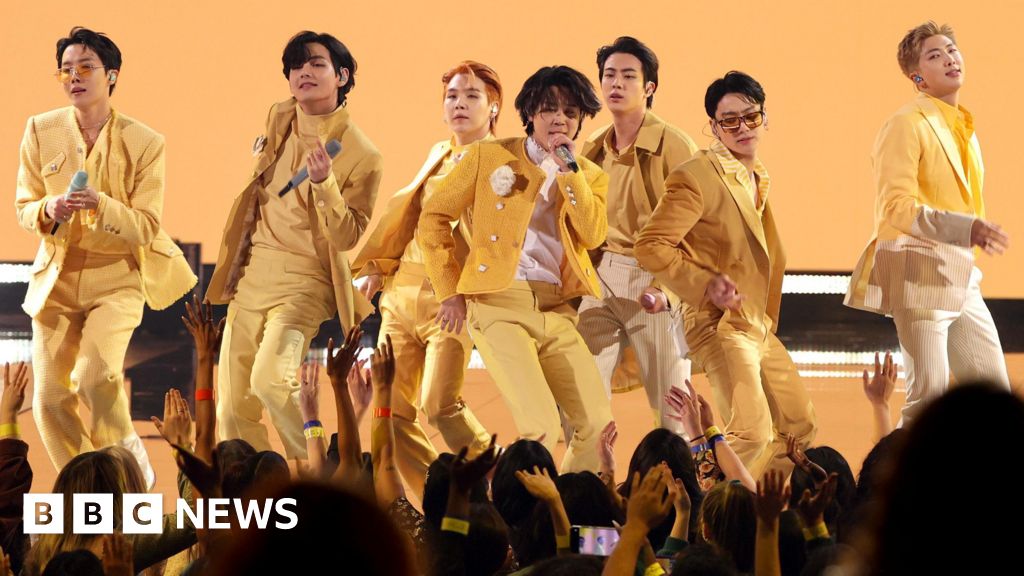
This BBC analysis focuses on the financial implications of the comeback, estimating revenues that extend far beyond ticket sales. The coverage explores how touring feeds streaming spikes, merchandise demand, and brand partnerships. Importantly, it avoids treating the figures as guarantees, instead presenting them as projections dependent on sustained global interest. For UK readers, the story underlines how international tours now function as economic engines.
K-pop stars BTS reveal comeback tour after completing military service
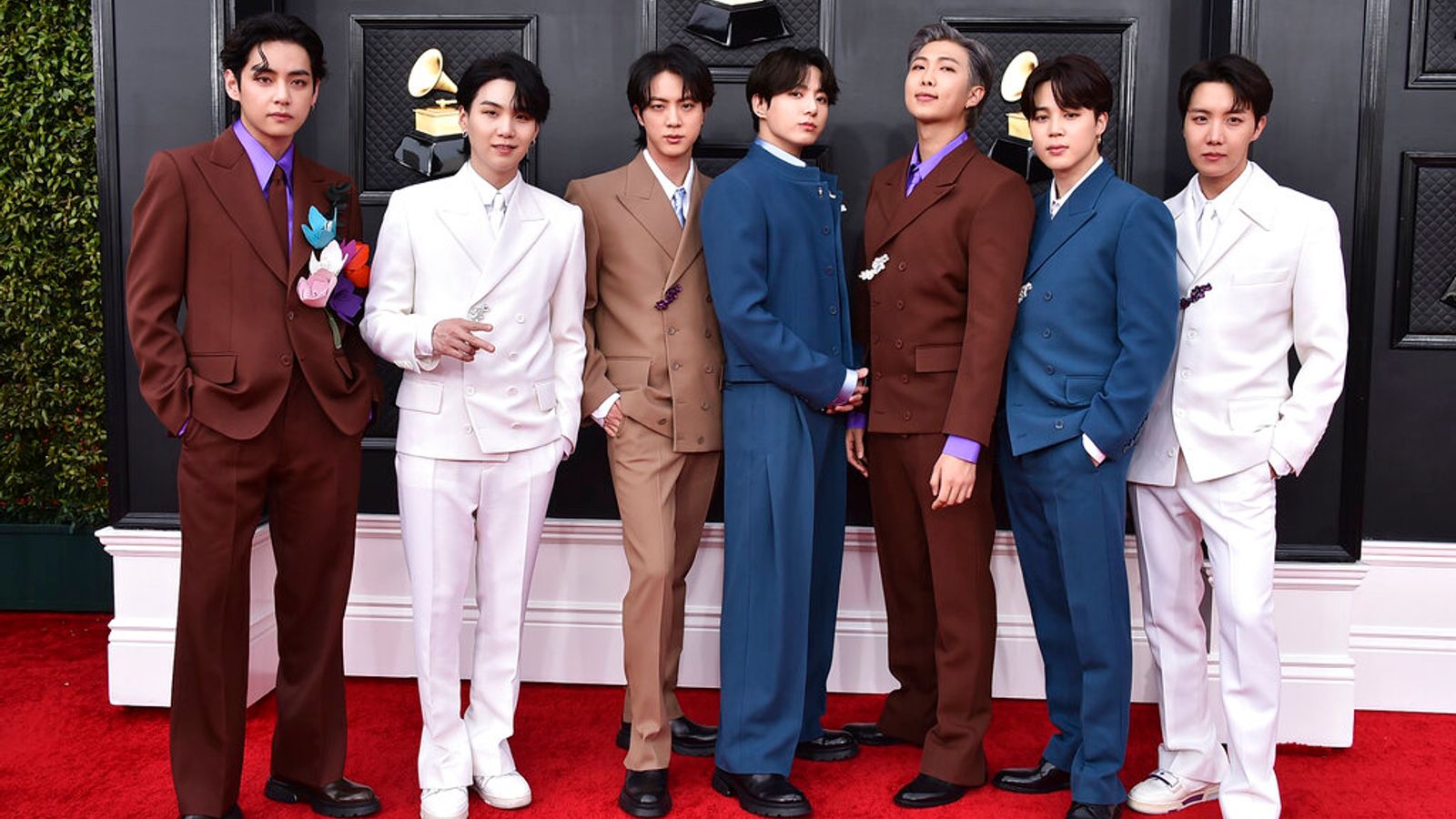
Sky News contextualises the announcement within South Korea’s military service system, explaining why the hiatus was unavoidable. The piece balances personal narratives of the members’ return to civilian life with the industrial scale of the tour. It also reflects on how transparency around the process helped maintain public trust, an angle particularly resonant with UK audiences less familiar with mandatory service norms.
The new BTS album title and what to know about the K-pop band’s comeback

The Independent leans into the creative dimension, detailing the forthcoming album alongside the tour. Rather than speculation, the article outlines confirmed elements while acknowledging unknowns. This approach positions the comeback as a gradual reveal, maintaining momentum without overwhelming audiences. For UK fans, it reinforces the idea that music, not just spectacle, remains central to the narrative.
As K-pop superstars BTS return, HYBE CEO to test ‘scarcity’ model for fandom business
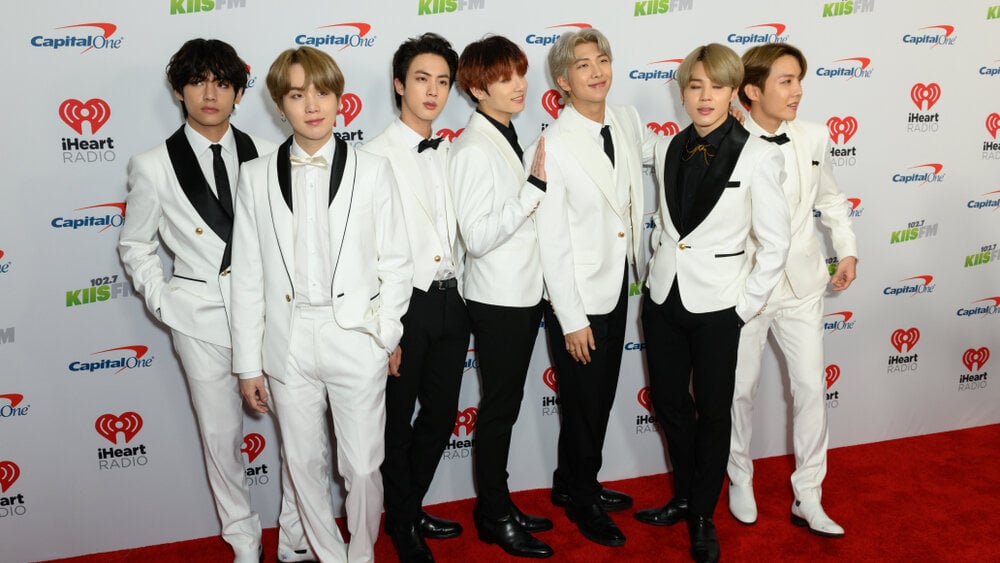
This industry-focused piece examines how BTS’s return may reshape fan engagement strategies. The concept of controlled access and limited releases is discussed as a response to digital saturation. Rather than framing this as controversial, the article presents it as an experiment in sustainability. UK industry observers are invited to consider how scarcity could recalibrate fan value without alienation.
BTS announces ‘largest’ world tour

CNN underscores the sheer logistical ambition of the tour, positioning it as a benchmark for global pop production. The report highlights venue capacity, geographic reach, and the operational challenge of consistency across continents. While not UK-centric, the implications for European tour stops are clear, suggesting ripple effects for local promoters and infrastructure.
BTS - World Tour Reveals Venues: Dates, Ticket On-Sale And More

Forbes provides granular detail on venues and ticketing timelines, framing the tour as a case study in demand forecasting. The article avoids hype, focusing instead on how staggered announcements influence consumer behaviour. For UK readers accustomed to rapid sell-outs, the piece offers insight into how timing and transparency can shape fan response.
Summary / Insights
Across UK media, BTS’s return is framed less as a nostalgic reunion and more as a stress test for modern pop culture. Themes of scale, sustainability, and fan economics recur, alongside reflections on how absence can amplify demand. While perspectives differ—creative, financial, cultural—the coverage converges on one point: this comeback is not just about filling arenas, but about redefining how global music phenomena re-enter the spotlight.

Resources
Sources and references cited in this article.