
Jacob Elordi's Frankenstein: Guillermo del Toro Revives a Gothic Icon for a New Era
The long-anticipated Frankenstein adaptation by Guillermo del Toro, starring Jacob Elordi, has sparked a wave of analysis across media and audiences in the UK and beyond. With its blend of gothic grandeur, emotional depth, and cutting-edge design, the film reawakens one of literature’s most iconic monsters while prompting fresh debates about science, humanity, and identity. This digest explores how critics and creators are framing the movie’s cultural and creative impact.
Main Topic Overview
Guillermo del Toro’s Frankenstein on Netflix has quickly become a focal point of artistic and philosophical discussion. Jacob Elordi’s portrayal of the creature is earning both admiration and scrutiny for its sensitivity and scale. As reviewers weigh the film’s visual achievements against its narrative execution, many are also revisiting Mary Shelley’s original questions: What makes us human? And what happens when science outpaces empathy?
News Coverage
Frankenstein: could an assembled body ever breathe, bleed or think? Anatomists explain
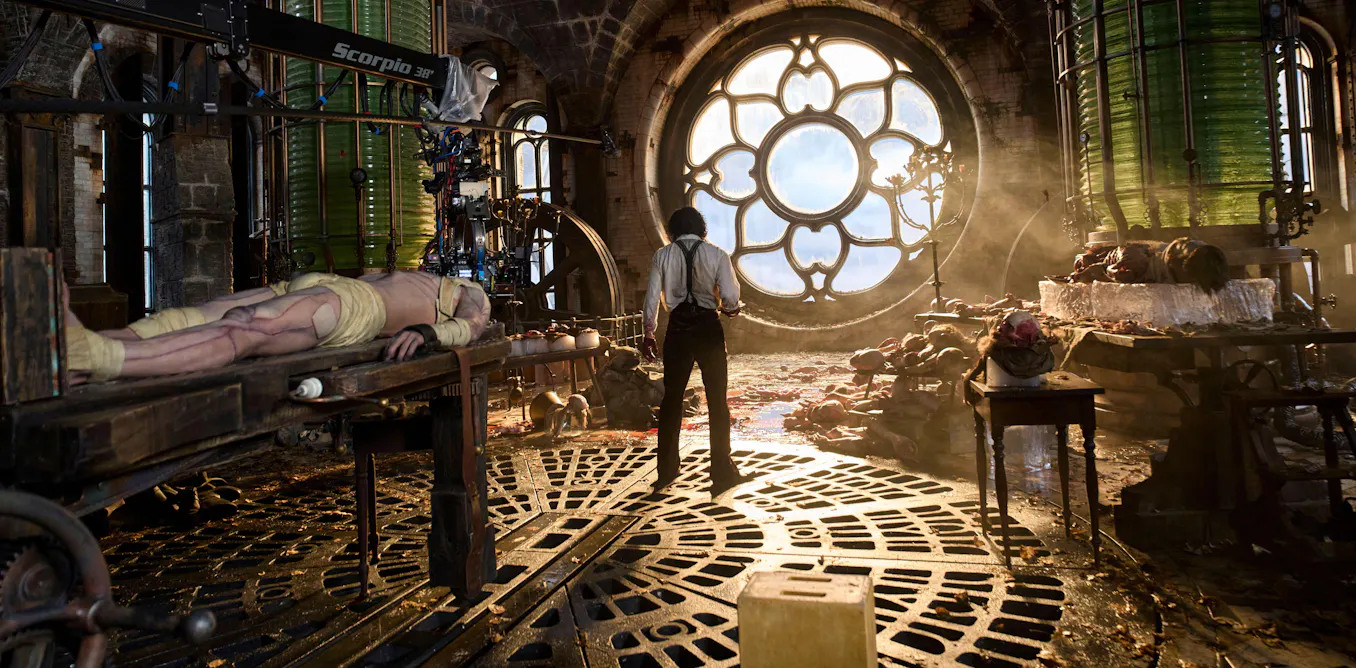
The Conversation offers a scientific lens on the Frankenstein myth, exploring whether an artificially assembled body could function biologically. Anatomists note that Shelley’s vision, while fictional, aligns with early scientific curiosity about reanimation and anatomy. The article connects del Toro’s new film to real questions about bioethics and synthetic life, showing how fiction continues to inspire scientific imagination.
Does Guillermo Del Toro’s Frankenstein summon the gothic flamboyance of Mary Shelley’s novel?
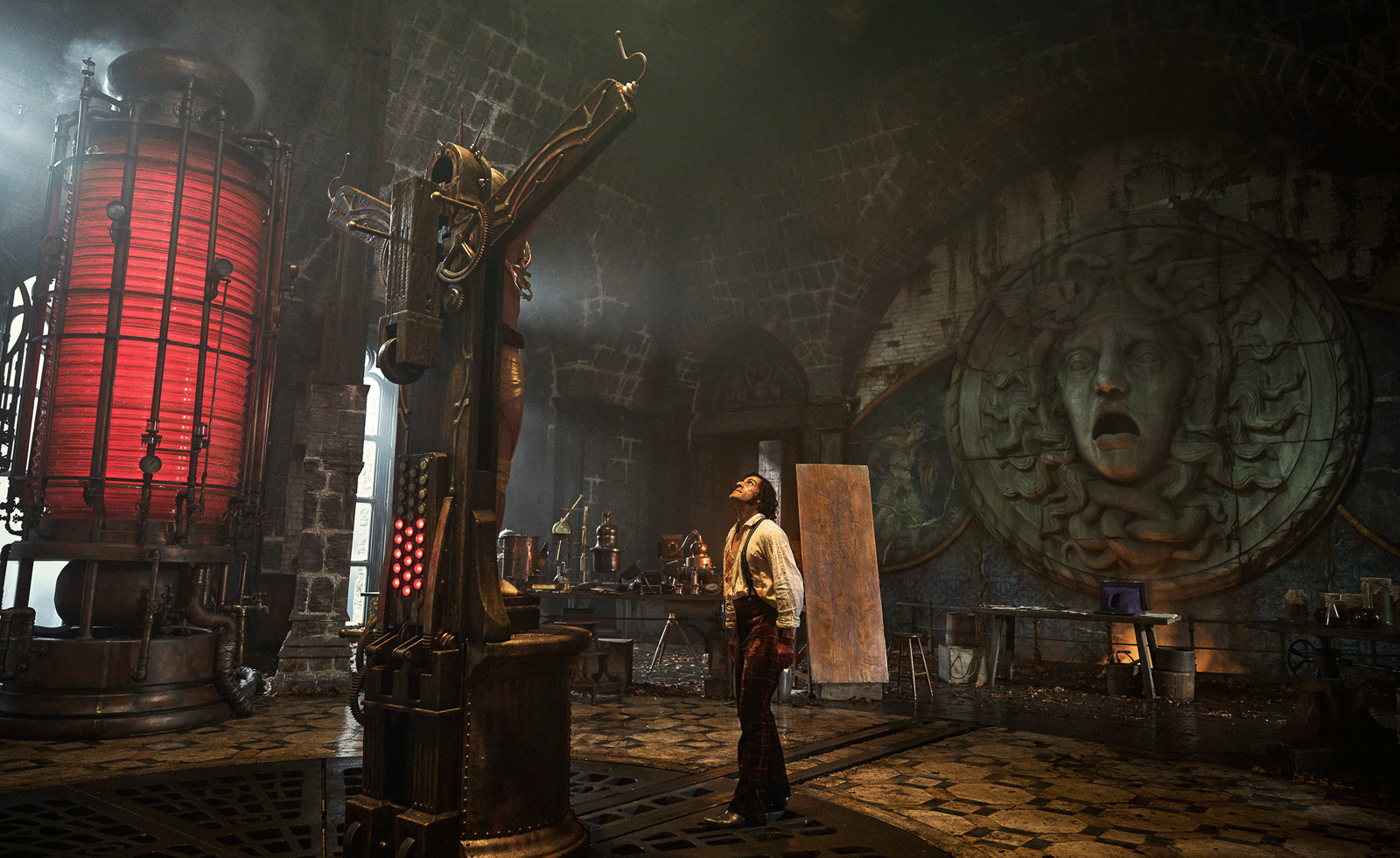
Wallpaper* reviews del Toro’s cinematic worldbuilding, celebrating its darkly ornate aesthetic. The review notes how the director’s visual excess transforms Shelley’s gothic sensibility into something operatic yet emotionally restrained. The article praises the film’s craftsmanship while questioning whether its beauty overshadows its horror roots.
Del Toro’s Frankenstein offers nothing new

The Spectator delivers a harsher critique, arguing that del Toro’s adaptation relies too heavily on familiar gothic tropes. While applauding Jacob Elordi’s performance, the review finds the storytelling predictable, suggesting that the film’s aesthetic mastery cannot compensate for its lack of innovation. It positions the film as visually stunning but emotionally distant.
Guillermo del Toro delivers a Frankenstein for the tech bro era

Engadget contextualizes the film within the modern era, describing del Toro’s Frankenstein as a reflection of our obsession with technology and self-creation. The review draws parallels between Victor Frankenstein and the contemporary ‘tech visionary,’ suggesting the film critiques ambition without empathy. It calls Elordi’s performance hauntingly modern, making Frankenstein’s myth relevant once more.
How Frankenstein’s creature designer found a new look for an iconic monster

The Verge interviews creature designer Mike Hill, who explains how del Toro’s team reinvented Frankenstein’s monster for a new generation. The article dives into makeup, prosthetics, and motion study techniques that merge realism with myth. Hill emphasizes the goal of evoking empathy rather than fear—an evolution that mirrors del Toro’s humanist vision.
Guillermo del Toro’s Frankenstein is all show and little substance – review
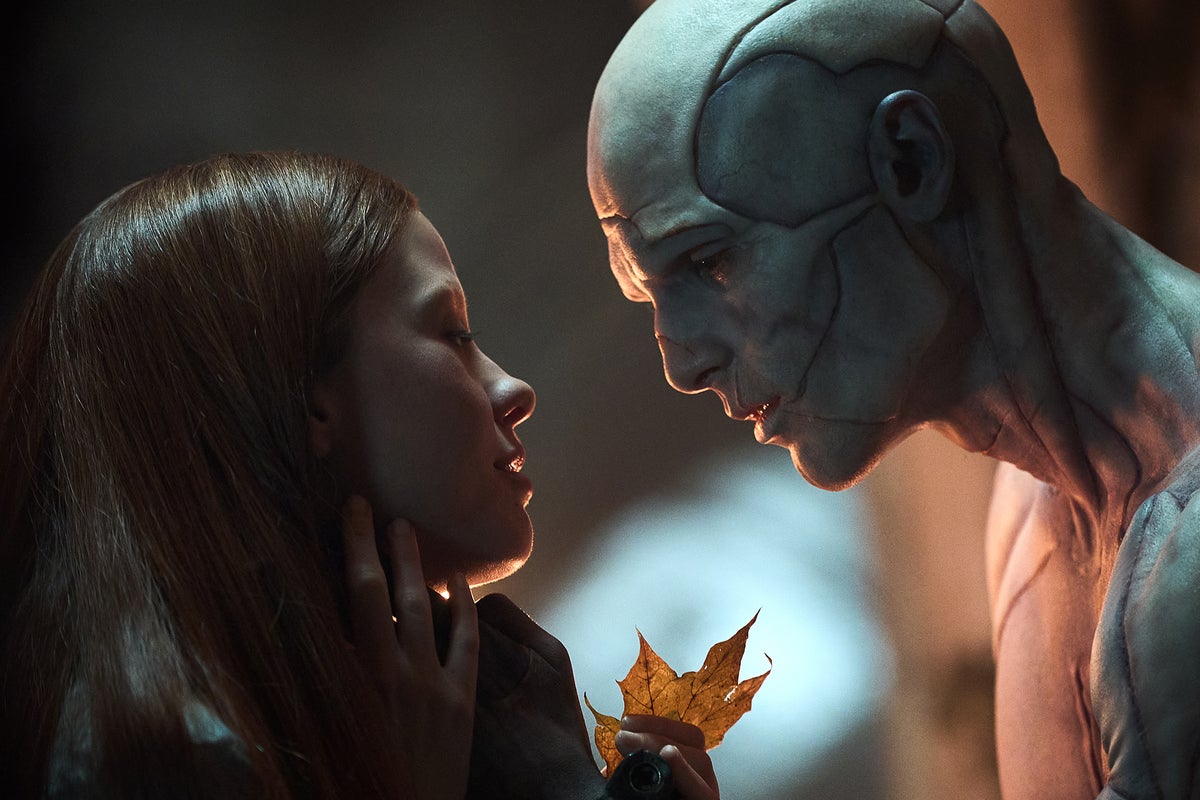
The Independent’s review describes del Toro’s Frankenstein as a lavish but emotionally flat production. While commending the performances and visual design, it criticizes the pacing and thematic repetition. The piece underscores that del Toro’s version may fascinate cinephiles yet leave audiences craving deeper psychological exploration.
Frankenstein’s Many Adaptations Over the Years

The New York Times maps Frankenstein’s cinematic history, tracing its influence from early silent films to del Toro’s modern retelling. It situates the latest version within a broader cultural continuum, emphasizing how each era reinvents the myth to mirror its anxieties—be they industrial, digital, or existential.
Tiffany Dazzles with Netflix Partnership: A Jewelry Marvel in New ‘Frankenstein’
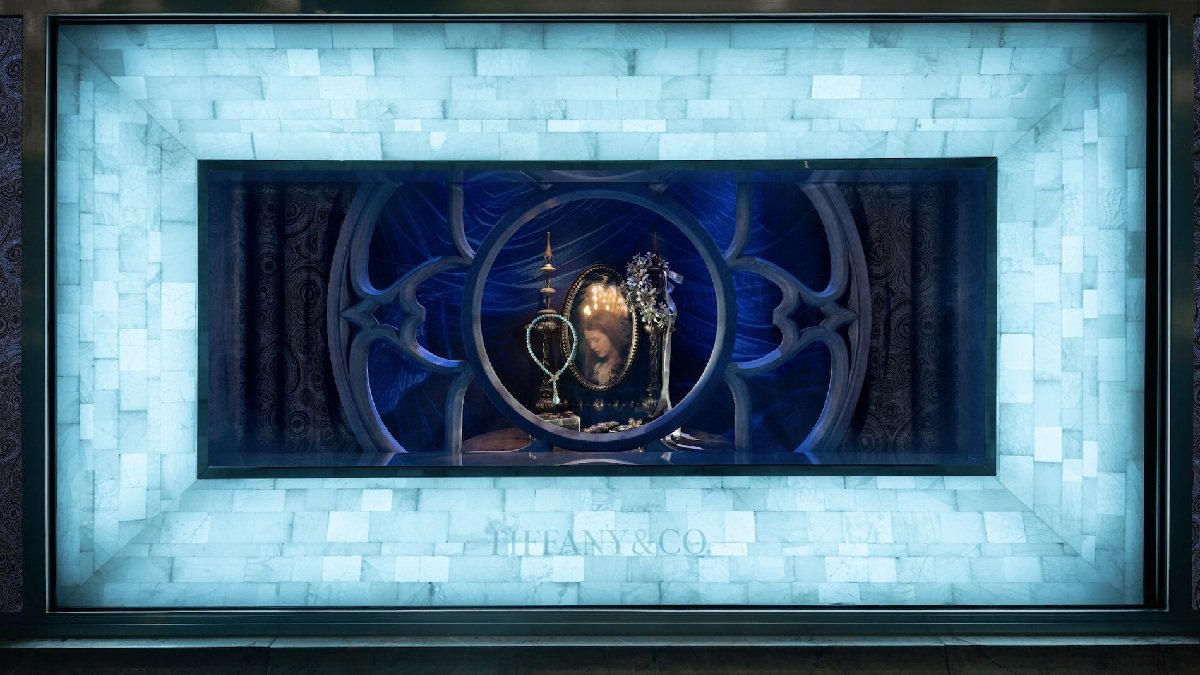
Modaes highlights the unexpected partnership between Netflix and Tiffany & Co., showcasing how luxury design merges with cinematic storytelling. The article views this collaboration as a marketing evolution—where fashion and film intertwine to shape visual identity and brand narrative around timeless myths.
How Was Frankenstein Made? Inside Guillermo del Toro’s Hand-Crafted Epic
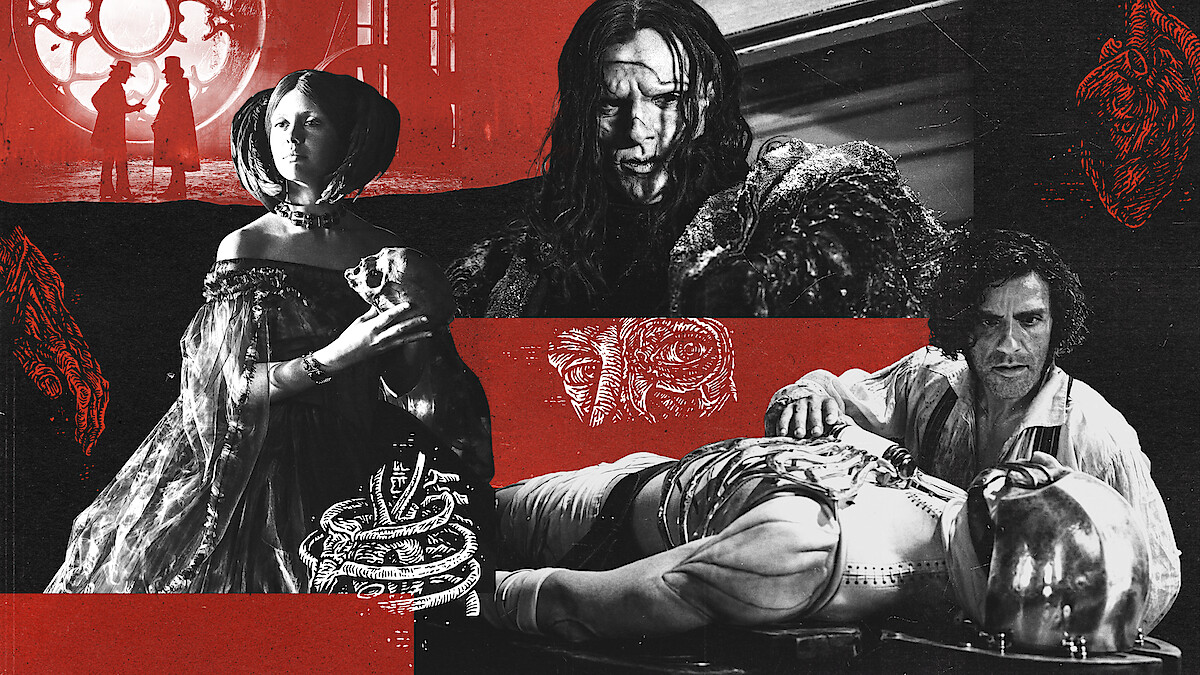
Netflix’s own feature offers a behind-the-scenes look at the meticulous artistry behind del Toro’s vision. From handcrafted sets to bespoke prosthetics, the production process mirrors the story’s themes of creation and imperfection. The article positions del Toro’s Frankenstein as a love letter to craftsmanship in an age of digital shortcuts.
Cinematographer Dan Laustsen, ASC on 'Frankenstein' [Video]

This video interview with Dan Laustsen, del Toro’s frequent collaborator, explores how lighting and camera movement evoke gothic intensity without relying on digital trickery. Laustsen describes the visual rhythm as “painting with darkness,” emphasizing the film’s analog beauty amid today’s CGI saturation.
Summary / Insights
Across outlets, del Toro’s Frankenstein is hailed as both a return to form and a polarizing experiment. Supporters see it as a poetic meditation on creation, empathy, and isolation, while critics deem it an indulgent exercise in style. Yet all agree on one point: the story of Frankenstein remains a mirror for human ambition and its moral consequences. Elordi’s portrayal, the design innovations, and the film’s cultural subtext ensure its place as one of 2025’s defining cinematic discussions.
Internal link: none yet

Resources
Sources and references cited in this article.