
Julian Barnes and the Question of the Last Novel
In January, a familiar but quietly unsettling question resurfaced across Britain’s literary pages: what happens when a major novelist begins to speak openly about endings? A cluster of interviews, reviews, and essays focusing on Julian Barnes has turned private speculation into public conversation, touching on mortality, creativity, and whether fiction itself is changing shape. This digest brings together the latest coverage to trace how that discussion has unfolded and why it resonates now.
Main Topic Overview
Julian Barnes has long written about memory, loss, and the slipperiness of truth, but recent commentary suggests a shift from abstract exploration to lived reality. With the publication of Departure(s), Barnes has discussed illness, age, and the possibility that this novel could be his last. The resulting media attention is less about marketing a book and more about what it means when an established literary voice contemplates silence. This is not the first time British literature has faced such moments, but the openness of Barnes’s reflections has given the debate unusual intimacy.
News Coverage
Julian Barnes: Author discusses his 'final' novel Departure(s), living with cancer, and the future of fiction
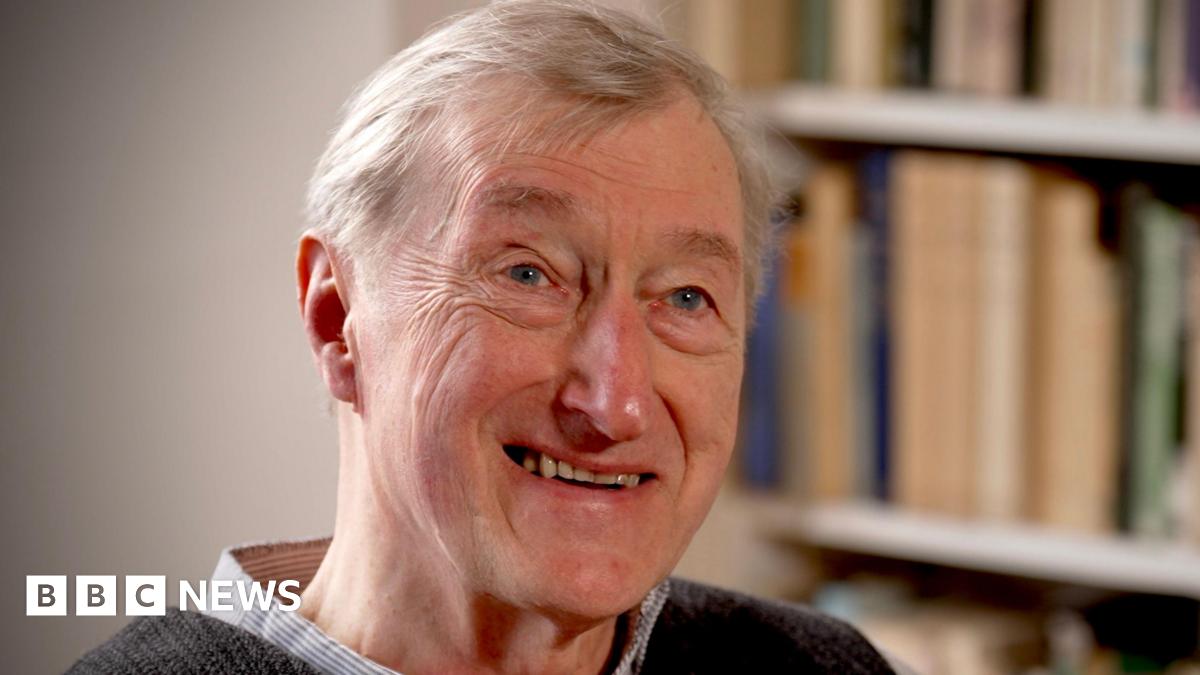
The BBC interview places Barnes’s new novel within the context of his cancer diagnosis, allowing readers to hear how personal circumstance intersects with artistic decision-making. Rather than announcing a definitive farewell, Barnes speaks in conditional terms, emphasising uncertainty over finality. The piece situates his comments within broader questions about whether fiction can still offer consolation or coherence in later life. By foregrounding his own doubts, the interview reframes the idea of a ‘last novel’ as a process rather than a fixed endpoint.
Julian Barnes Says Goodbye to the Novel
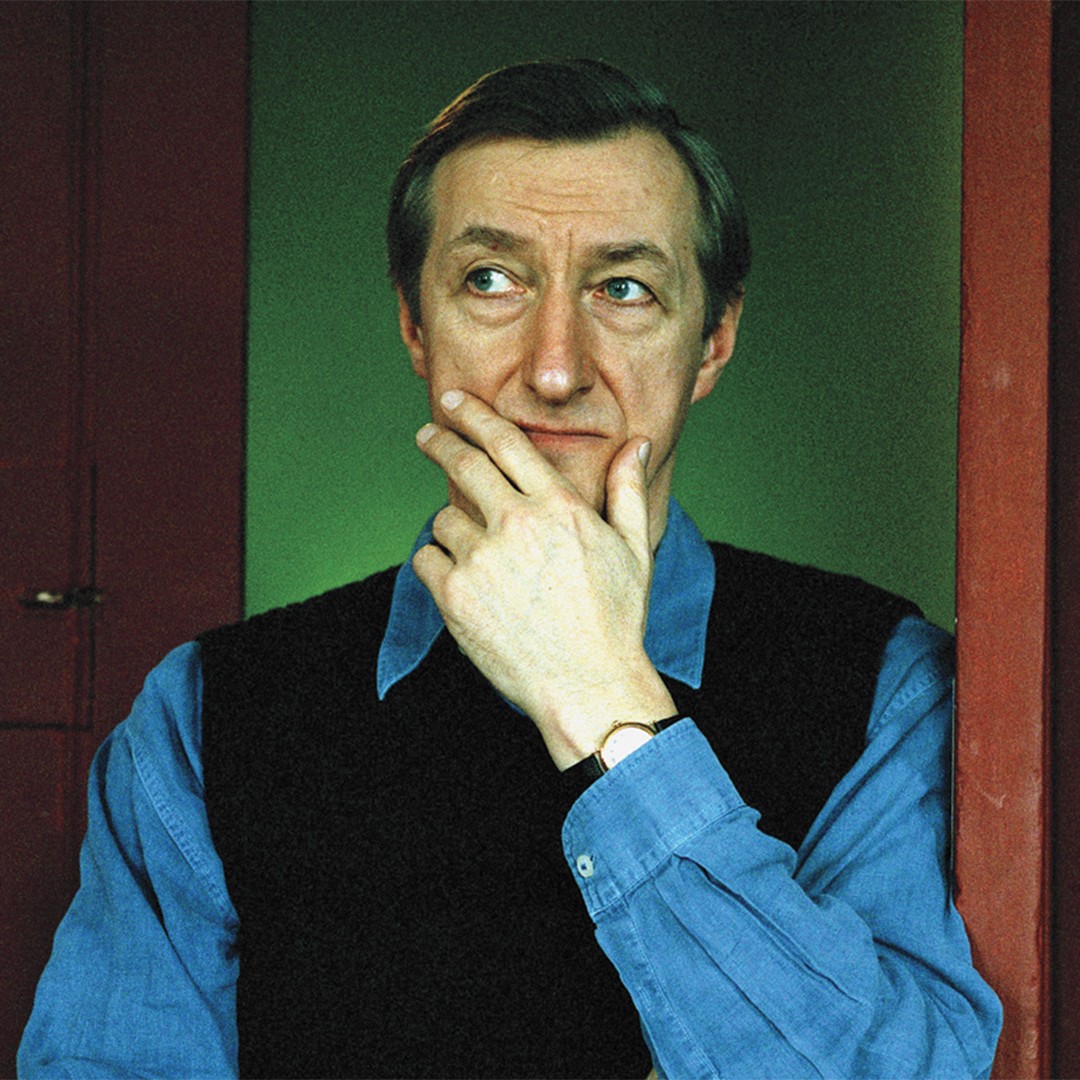
This long-form essay approaches Barnes from a transatlantic angle, treating his apparent withdrawal as emblematic of a wider fatigue with the traditional novel. Drawing on his back catalogue, the article suggests that Barnes has been circling the idea of closure for decades. It stops short of declaring fiction obsolete, instead using Barnes’s position to question how writers measure relevance over time. For British readers, the piece offers an external perspective on a figure often seen as a national literary constant.
Is silence golden? When writers choose to stop

Although broader in scope, this feature uses Barnes as a contemporary reference point in a longer tradition of authors stepping back from publication. It compares voluntary silence with enforced endings caused by health or circumstance. The article introduces historical parallels, reminding readers that literary withdrawal has often been misread as failure rather than choice. Barnes’s situation is presented as part of an ongoing negotiation between public expectation and private capacity.
Departure(s)

The Book Marks aggregation offers a composite view of critical reception, revealing neither consensus nor dismissal. Reviewers repeatedly note the novel’s preoccupation with endings, but differ on whether this feels conclusive or deliberately unresolved. The range of responses underscores how Barnes’s reputation shapes interpretation, with critics reading the text both as standalone fiction and as a summative gesture. This ambiguity feeds into the wider narrative about whether Departure(s) closes a chapter or simply pauses it.
Books in the Media: Julian Barnes bids farewell?

Industry-focused coverage frames the discussion in terms of publishing economics and cultural impact. Rather than speculating on Barnes’s health, the article examines how a potential final novel is positioned in the market. It also notes how publishers balance respect for an author’s statements with the commercial afterlife of their work. This perspective highlights how personal narratives quickly intersect with institutional realities.
Why don’t writers retire?

This radio discussion broadens the lens, questioning the very concept of retirement in creative professions. Barnes is cited alongside other senior writers who continue working without clear endpoints. The segment suggests that writing resists conventional career arcs, complicating public expectations of closure. In this context, Barnes’s comments appear less like an exception and more like an articulation of a common tension.
Julian Barnes’s search for an ending

The Observer essay returns to Barnes’s long-standing thematic concerns, arguing that the current moment intensifies rather than alters his literary trajectory. By revisiting earlier novels, it traces a consistent fascination with how stories conclude or refuse to conclude. The piece resists framing Departure(s) as a valedictory work, instead suggesting continuity beneath apparent finality. This reading complicates headlines that favour definitive endings.
Summary / Insights
Taken together, the coverage reveals less a single announcement than a shared moment of reflection. Barnes’s remarks have prompted journalists, critics, and broadcasters to revisit enduring questions about authorship, ageing, and the lifespan of the novel. Historically, similar debates have surfaced around writers such as Philip Roth or Doris Lessing, only to be revised by subsequent publications. Whether or not Departure(s) proves to be a final work, the current discourse underscores how endings in literature are rarely as clear-cut as they appear.

Resources
Sources and references cited in this article.