
Rachel Ward and the Ageing Debate: Why One Actress Became a Flashpoint
In recent days, actress Rachel Ward has unexpectedly found herself at the centre of a wider cultural conversation in the UK and beyond. What began as commentary on her appearance has evolved into a broader debate about ageing, public scrutiny, and how female celebrities are discussed in the digital age. The coverage spans tabloids, opinion columns, and international outlets, each framing the moment through a slightly different lens.
Main Topic Overview
Rachel Ward, best known to many audiences for her role in The Thorn Birds, has largely lived outside the constant glare of celebrity culture in recent years. However, renewed attention on her appearance sparked a wave of online commentary, prompting responses not only from Ward herself but also from commentators, journalists, and members of her family. The discussion has tapped into long-standing concerns about ageism, particularly how ageing is perceived differently for women in the public eye.
News Coverage
Vilified for looking her age, Rachel Ward has no time for the trolls

The Times frames the story as a confrontation between celebrity privacy and online hostility. The article highlights Ward’s apparent indifference toward criticism, presenting her response as calm rather than combative. It situates the backlash within a pattern familiar to many public figures, where ageing itself becomes a point of contention. By focusing on Ward’s own words, the piece underscores how little control celebrities often have over narratives formed around their appearance.
'I feel sorry for the trolls': Thorn Birds' Rachel Ward hits back after her looks were criticised

This Daily Mail piece emphasises Ward’s emotional response, quoting her expressions of sympathy toward those criticising her. The tone reflects the outlet’s focus on personal reaction and confrontation, while still acknowledging the broader issue of public judgement. The article connects Ward’s comments to a larger cycle of online outrage, where personal attacks often gain momentum independent of context.
There's a sinister reason women feel the need to butcher their faces…

Although not focused solely on Ward, this opinion-driven piece uses her situation as a reference point in a wider argument about cosmetic pressure on women. The article broadens the conversation, suggesting that public reactions to ageing celebrities influence personal choices around cosmetic procedures. Its inclusion shows how Ward’s case has been absorbed into a more general commentary about beauty standards.
Gross reaction to Aussie star’s new look

This report shifts attention to social media dynamics, detailing how a short clip triggered widespread reaction. It highlights how quickly commentary can escalate once visual content circulates online. While centred on an Australian outlet, the themes mirror those seen in UK coverage, reinforcing the global nature of the discussion.
Has Rachel Ward ‘let herself go’? No, she just looks her real age
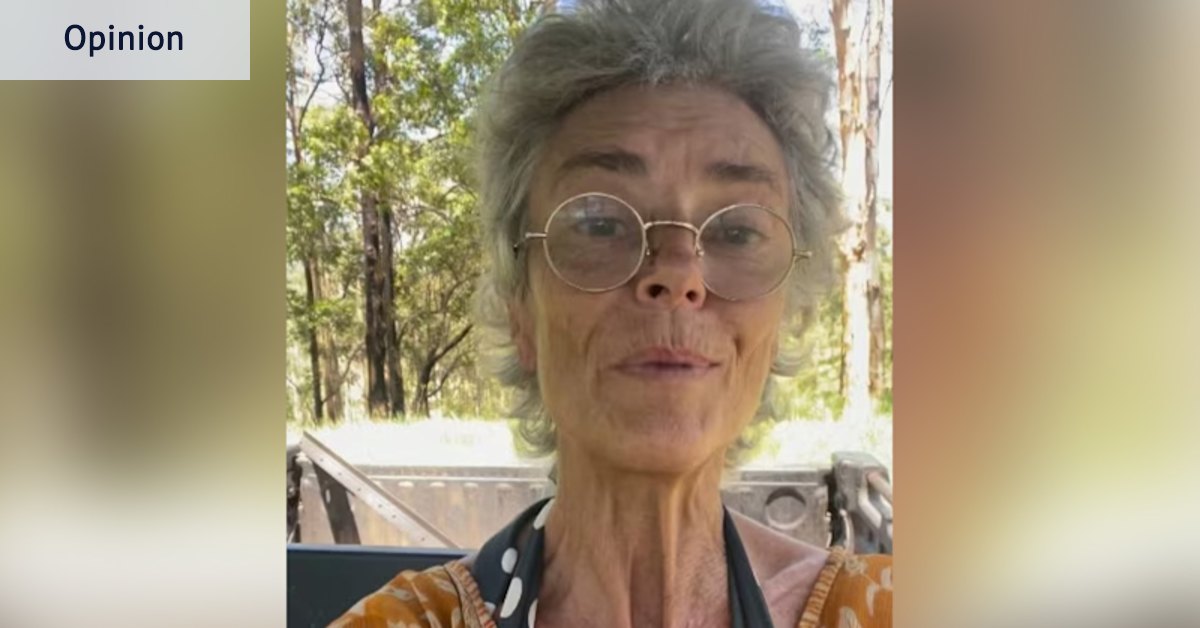
This commentary adopts a corrective tone, challenging the premise of the criticism itself. By questioning why natural ageing is framed negatively, the article reframes Ward’s appearance as unremarkable rather than controversial. It provides historical context, noting similar debates around actresses in previous decades.
Summary / Insights
Taken together, the coverage reveals less about Rachel Ward personally and more about the systems that shape celebrity discourse. Across outlets, recurring themes emerge: the persistence of age-based judgement, the speed of online amplification, and differing editorial approaches to the same set of facts. While opinions vary, the collective narrative points to an ongoing tension between public fascination and personal boundaries.
TL;DR: Rachel Ward’s recent attention has become a case study in how ageing, celebrity, and online commentary intersect, with coverage reflecting broader cultural debates rather than a single isolated incident.

Resources
Sources and references cited in this article.