
The Bayeux Tapestry Debate: Art, Risk, and a Once-in-a-Generation Moment for Britain
The Bayeux Tapestry, one of Europe’s most fragile and culturally charged artworks, has unexpectedly become the centre of a heated public debate in the UK. Plans to bring the 11th-century embroidery to Britain for a major exhibition have triggered sharp warnings from leading artists and historians, while cultural institutions and audiences weigh the promise of unprecedented access against the risks of moving an irreplaceable artefact.
Main Topic Overview
Traditionally housed in Normandy, the Bayeux Tapestry chronicles the Norman Conquest of England in intricate stitched scenes. Measuring nearly 70 metres long, it has survived wars, revolutions, and centuries of environmental stress. The current discussion about relocating it temporarily to London represents a rare convergence of diplomacy, museum ambition, conservation science, and public sentiment.
This is not the first time the tapestry’s movement has caused controversy. Past restorations and displays have already sparked debates about light exposure, vibration, and long-term material fatigue. What makes the present moment different is the scale of attention and the cultural symbolism tied to the UK hosting the work for the first time in modern history.
News Coverage
David Hockney says moving Bayeux Tapestry to UK is 'madness'
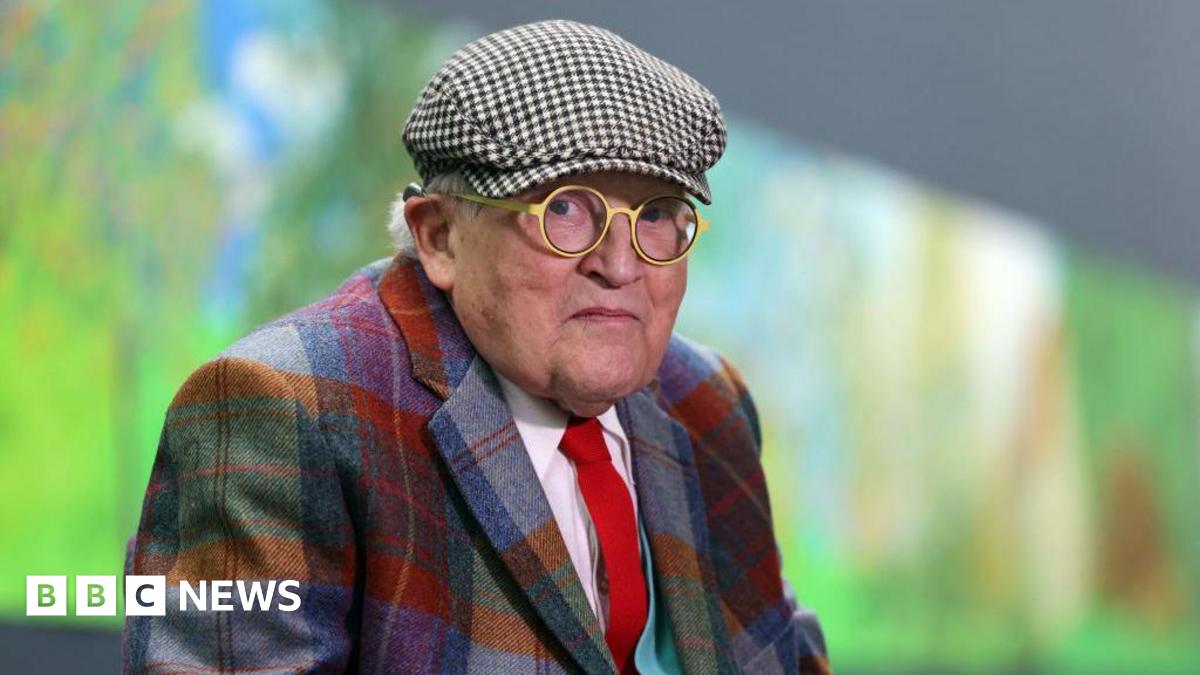
The BBC report captures David Hockney’s strongest intervention yet, describing the proposed transfer as unnecessary and dangerous. His comments focus on the physical vulnerability of the linen and wool, noting that even modern transport systems cannot eliminate risk. The article situates his view within a wider conservation debate, emphasising that concern is not ideological but technical. By foregrounding expert caution, the piece frames the issue as a question of stewardship rather than national pride.
Moving Bayeux Tapestry is ‘mad gamble’, Hockney tells British Museum

The Times expands on Hockney’s argument by highlighting internal museum deliberations and the reputational stakes for the British Museum. The article suggests that while the exhibition could draw record-breaking crowds, a single misstep would have permanent consequences. It also notes that similar loans in the past have faced last-minute cancellations due to conservation advice. This reinforces the narrative of high reward balanced against irreversible loss.
This once-in-a-lifetime London exhibition will be the best thing to see in the UK in 2026
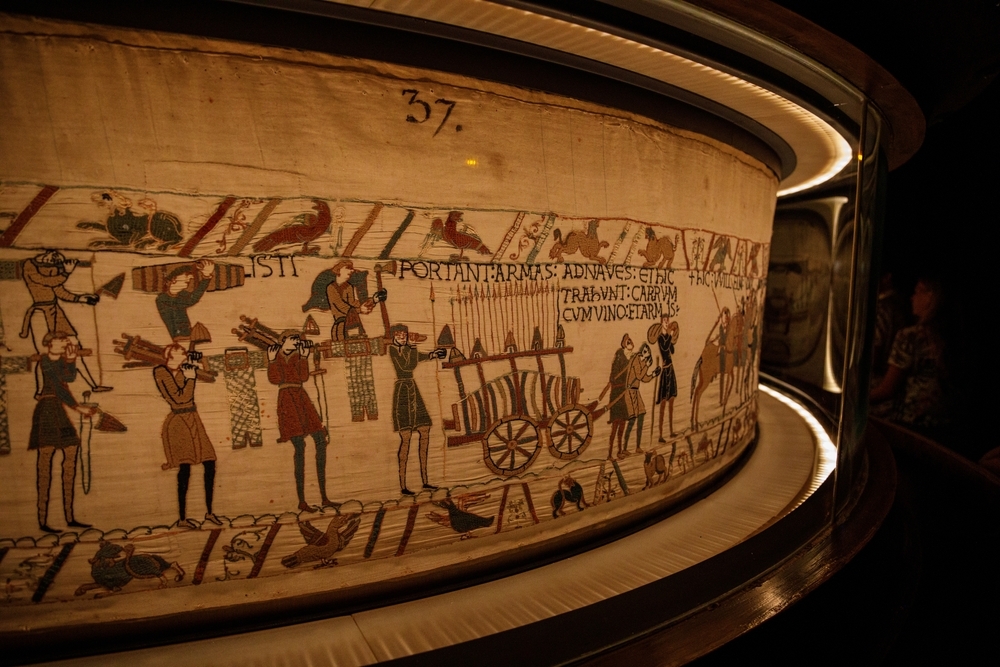
Time Out approaches the story from an audience-focused perspective, emphasising the cultural excitement and educational potential of the exhibition. The piece highlights how rarely the tapestry leaves France and frames the event as a historic opportunity for UK visitors. While acknowledging conservation concerns, the tone reflects optimism about modern display technology and crowd management. This contrast illustrates how public enthusiasm coexists with expert caution.
David Hockney: Why it’s madness to move the Bayeux Tapestry to Britain
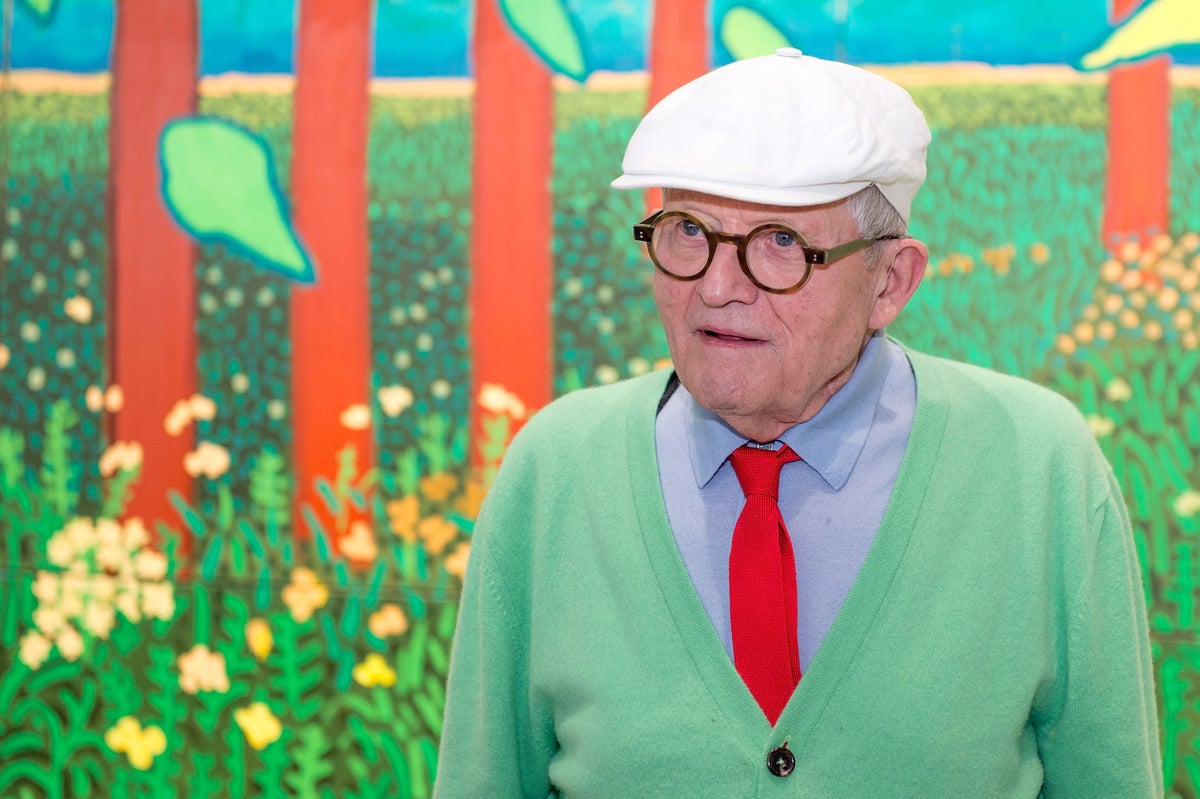
This feature-style article allows Hockney to elaborate on his reasoning, drawing parallels with past artworks damaged during travel. It contextualises his stance within a lifetime of engagement with art preservation. The Independent also includes responses from museum officials, presenting their assurances about climate control and transport protocols. The balance between opinion and institutional response underscores the complexity of the decision.
British Museum putting Bayeux Tapestry at risk with ‘vanity move’, says David Hockney

The Telegraph frames the issue in sharper institutional terms, questioning whether ambition has overtaken caution. The article references internal critics who worry about reputational fallout should anything go wrong. It also recalls previous museum controversies involving conservation judgement. This approach adds a governance angle to the broader cultural debate.
Here's how to see the Bayeux Tapestry in London this year
Fact London shifts focus to practicalities, outlining ticketing expectations and visitor planning should the exhibition proceed. The article assumes approval and addresses demand management, timed entry, and educational programming. By doing so, it reflects how parts of the cultural sector are already preparing for the event. This contrasts with ongoing uncertainty at the policy level.
Moving Bayeux Tapestry to UK could cause ‘irreversible damage’, warns David Hockney
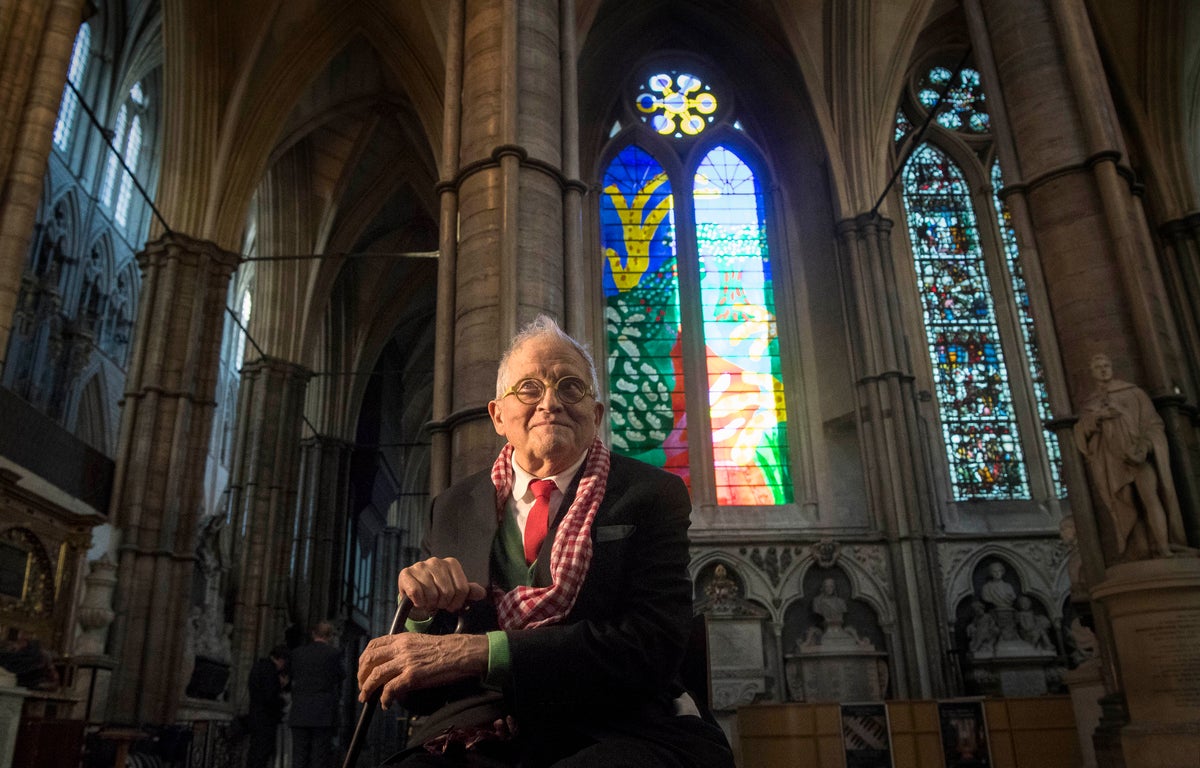
This final report reiterates scientific concerns, citing textile specialists who warn about cumulative stress from movement. It situates the debate within a broader trend of re-evaluating blockbuster exhibitions involving fragile works. The article avoids definitive conclusions, instead highlighting the decision’s long-term implications. This reinforces the overall narrative of caution amid cultural excitement.
Summary / Insights
Across coverage, a clear pattern emerges: widespread enthusiasm from audiences and event planners sits alongside deep unease from artists and conservators. Supporters see a historic cultural exchange, while critics emphasise the irreversible consequences of damage. The debate reflects a broader reassessment of how museums balance access with preservation. Whatever the outcome, the discussion itself has already reshaped how institutions communicate risk and responsibility.

Resources
Sources and references cited in this article.