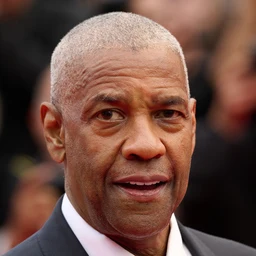
Film fans in Great Britain are revisiting two contrasting sides of Denzel Washington's screen legacy this week, from his sharp criticism of 1988 drama Mississippi Burning to renewed attention around his 2001 crime thriller Training Day. According to Far Out Magazine, Washington has long pushed back against how Alan Parker's film framed civil rights history. Meanwhile, ScreenRant highlights how Training Day remains a benchmark in modern thriller filmmaking 25 years after its release.
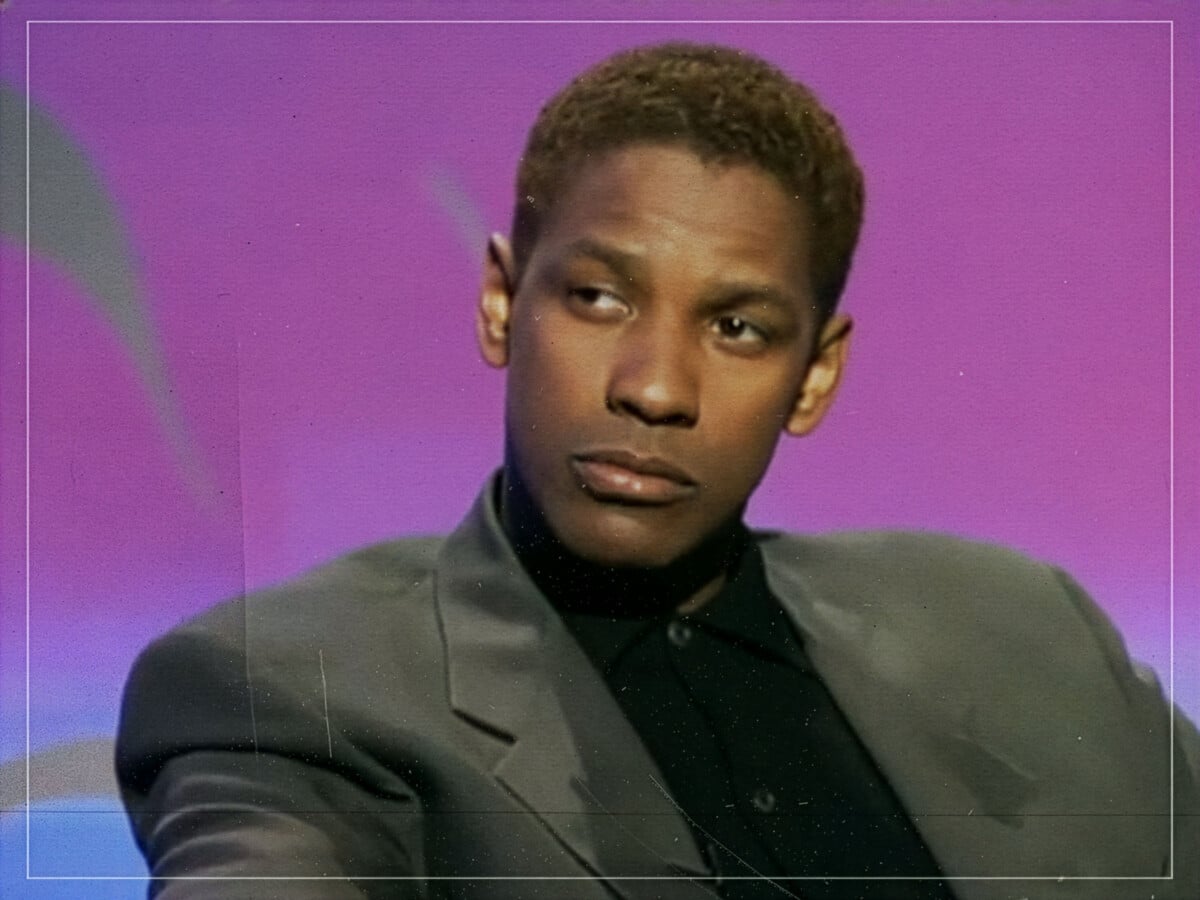
The Biggest Moment
The sharpest discussion centers on Washington's blunt rejection of Alan Parker's 1988 crime thriller Mississippi Burning, which won 1 Academy Award for cinematography and earned 6 additional nominations, including Best Picture, Best Director, and Best Actor. Inspired by the murders of civil rights activists James Chaney, Andrew Goodman, and Michael Schwerner and the subsequent FBI investigation, the film drew pushback over its framing of the events.
is not our history
Washington added a pointed follow-up: "There were not two white FBI men who came in and made everything better." His dismissal highlights how awards recognition does not settle debates over whose perspective gets centered when Hollywood adapts real history.
Key Results and Highlights
- Oscar recognition for Mississippi Burning: Directed by Alan Parker and starring Gene Hackman and Willem Dafoe, the 1988 release won 1 Oscar for cinematography and received 6 more nominations across major categories.
- Two-decade thriller legacy: Across four decades of screen work, Washington has starred in high-tension titles including Crimson Tide, Man on Fire, Inside Man, Out of Time, The Pelican Brief, The Bone Collector, and The Equalizer.
- Training Day milestone: Released in 2001 and written by David Ayer, Antoine Fuqua's drama marks 25 years since its debut, following LAPD narcotics rookie Jake Hoyt, played by Ethan Hawke, on a 24-hour ride-along with Washington's squad.
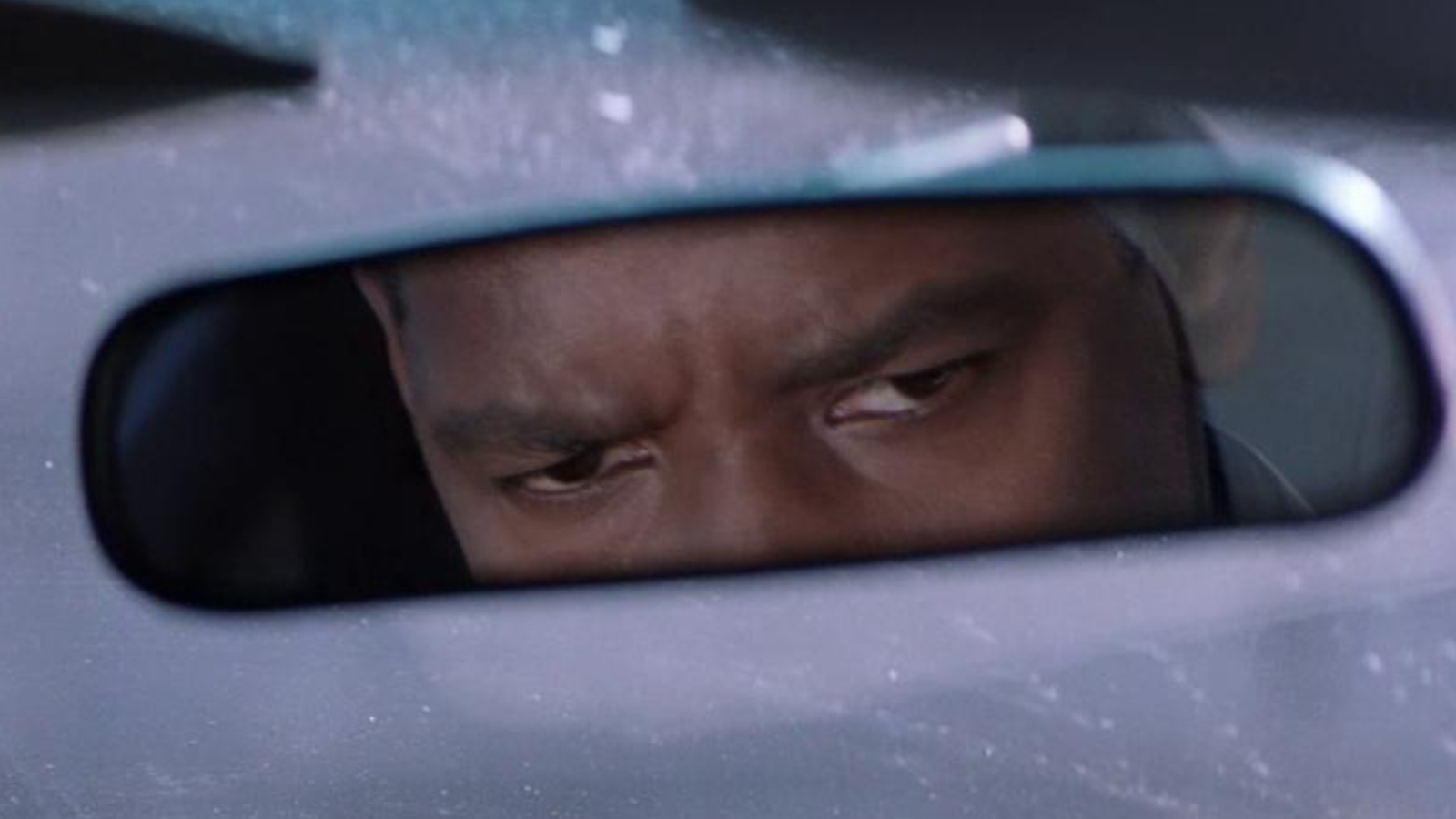
What Happened on Stage
Rather than a live stage incident, the spotlight is on how prominent filmmakers and actors have spoken out against Mississippi Burning over the years. Director Spike Lee, a frequent collaborator of Washington's, argued the Oscar-winning film gave the impression that Black people were cowards who got beat up and lynched while the FBI saved them.
Actor Billy Bob Thornton, an Arkansas native, likewise objected to the film, saying it reinforced negative stereotypes of the American South on both sides. Parker defended the movie by stating that it was not about the Civil Rights movement itself, but about why a need for that movement existed—a response that did not quiet critics who wanted a different historical portrayal.
Audience and Industry Reaction
Criticism of Mississippi Burning shows a clear split between awards voters and vocal industry figures who questioned the story's framing. Even when a film earns 7 total Oscar nominations and strong critical support on release in 1988, prominent voices can challenge its historical accuracy and narrative choices.
On the thriller side, Training Day stands out in ScreenRant's coverage for building tension around a ticking clock and murky morality over a single 24-hour stretch. While Washington's broader thriller catalog shares high-stakes DNA, Training Day is singled out as his strongest work in the genre.
What This Means Next
For viewers in Great Britain, revisiting these films underlines how streaming availability and catalogue shifts affect access to older titles. ScreenRant notes that catching Training Day if you do not already own it is set to become harder, making physical copies or active licensing windows more important for fans planning a rewatch.
More broadly, debates around Mississippi Burning and Training Day keep Washington's back catalogue active in cultural conversations. As audiences weigh historical framing against genre craftsmanship, older releases continue to draw fresh scrutiny alongside newer projects.
Frequently Asked Questions
Why did Denzel Washington criticise Mississippi Burning?
Washington said the film is not his history and noted that two white FBI agents did not simply arrive and make everything better.
What real events inspired Mississippi Burning?
Alan Parker's 1988 film was loosely based on the murders of civil rights activists James Chaney, Andrew Goodman, and Michael Schwerner and the FBI investigation that followed.
How many Oscars did Mississippi Burning win and receive nominations for?
It won 1 Academy Award for cinematography and earned 6 additional nominations, including Best Picture, Best Director, and Best Actor.
Who else spoke out against Mississippi Burning?
Director Spike Lee and actor Billy Bob Thornton also criticised the film, raising concerns about how Black civil rights history and the American South were portrayed.
Who wrote and directed Training Day, and when was it released?
Training Day was released in 2001, written by David Ayer, and directed by Antoine Fuqua, with Ethan Hawke playing LAPD rookie Jake Hoyt.