
Escalating Tensions: Russian Submarines and the UK's Strategic Response
As geopolitical tensions rise, the presence of Russian submarines in strategic locations has become a focal point of concern for the UK. This trend digest explores the recent developments, highlighting the UK's strategic maneuvers and the broader implications on international security dynamics.
Main Topic Overview
The UK's naval strategies are being tested as Russian submarine activities increase in the Atlantic and English Channel. With a focus on maintaining control over crucial maritime routes, the UK is deploying advanced technology and forming international alliances to counter potential threats. This comprehensive analysis covers the latest news, providing insights into the strategic postures of both nations.
News Coverage
Royal Navy shadows Russian submarine through English Channel
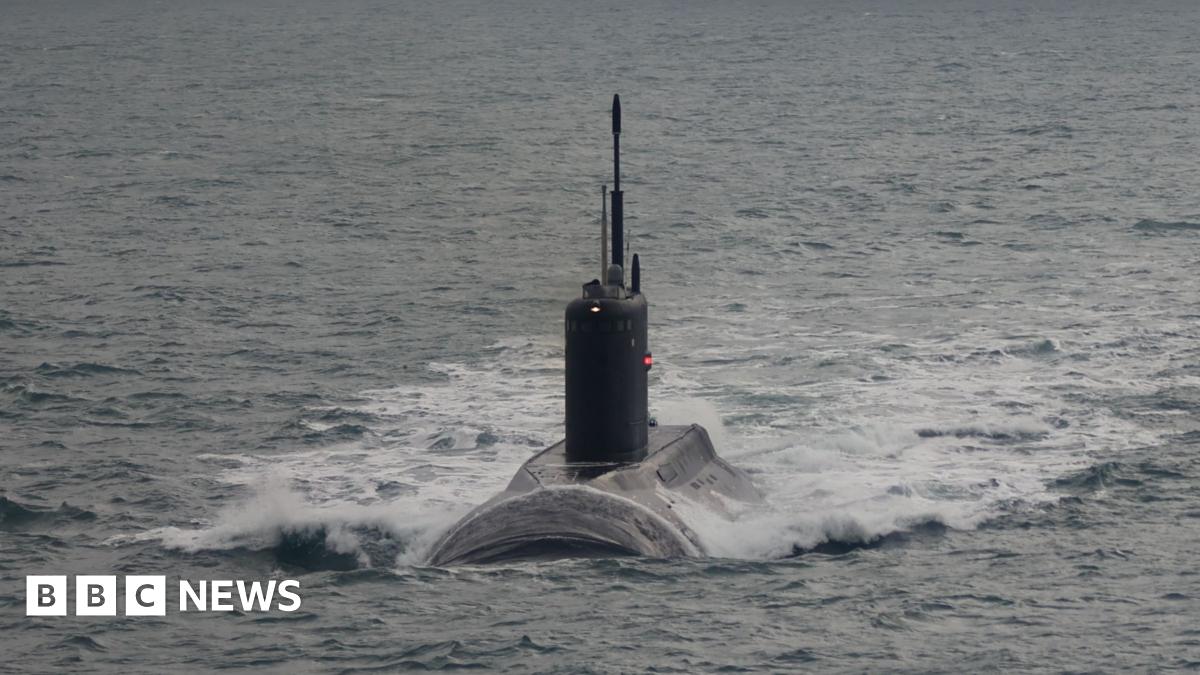
The Royal Navy's recent engagement in shadowing a Russian submarine passing through the English Channel underscores the heightened vigilance within UK waters. This move highlights the strategic importance of the Channel as a critical maritime passage and the UK's commitment to safeguarding it. The operation, conducted with precision, reflects ongoing efforts to monitor and deter potential incursions by foreign vessels, particularly from Russia, whose submarine presence is seen as a signal of broader geopolitical posturing.
Royal Navy unveils new Atlantic strategy to counter Russian threat
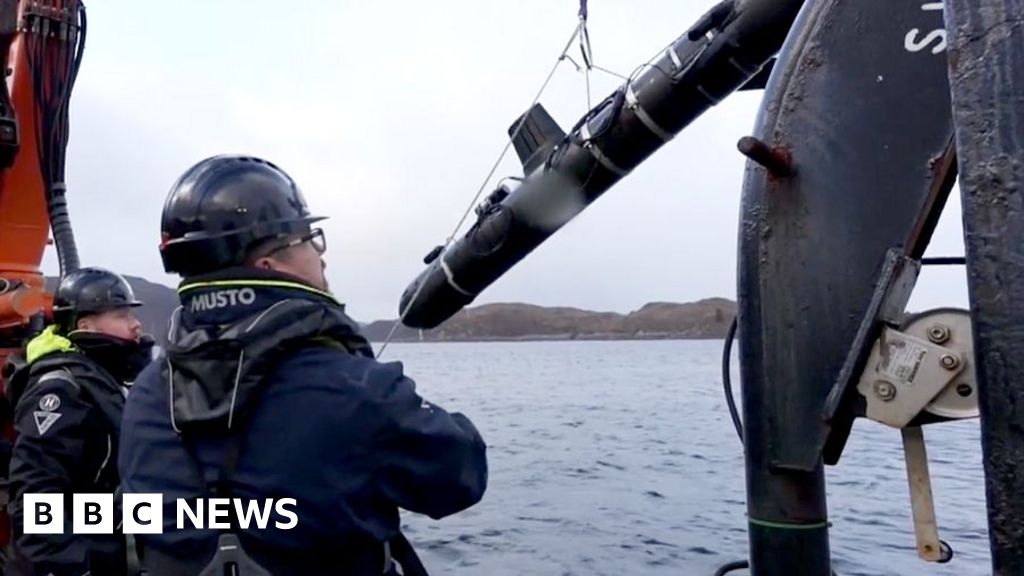
The unveiling of a new Atlantic strategy by the Royal Navy marks a significant shift in the UK's defense posture. This strategy aims to enhance maritime security and counter the growing Russian submarine threat in the Atlantic. By deploying state-of-the-art naval assets and fostering international cooperation, the UK seeks to maintain its strategic edge and secure vital sea lanes, crucial for both national and international trade. This development highlights the dynamic nature of modern naval warfare and the importance of adaptability in defense strategies.
UK Deploys Fathom Marine Gliders in the Atlantic to Counter Russian Submarines
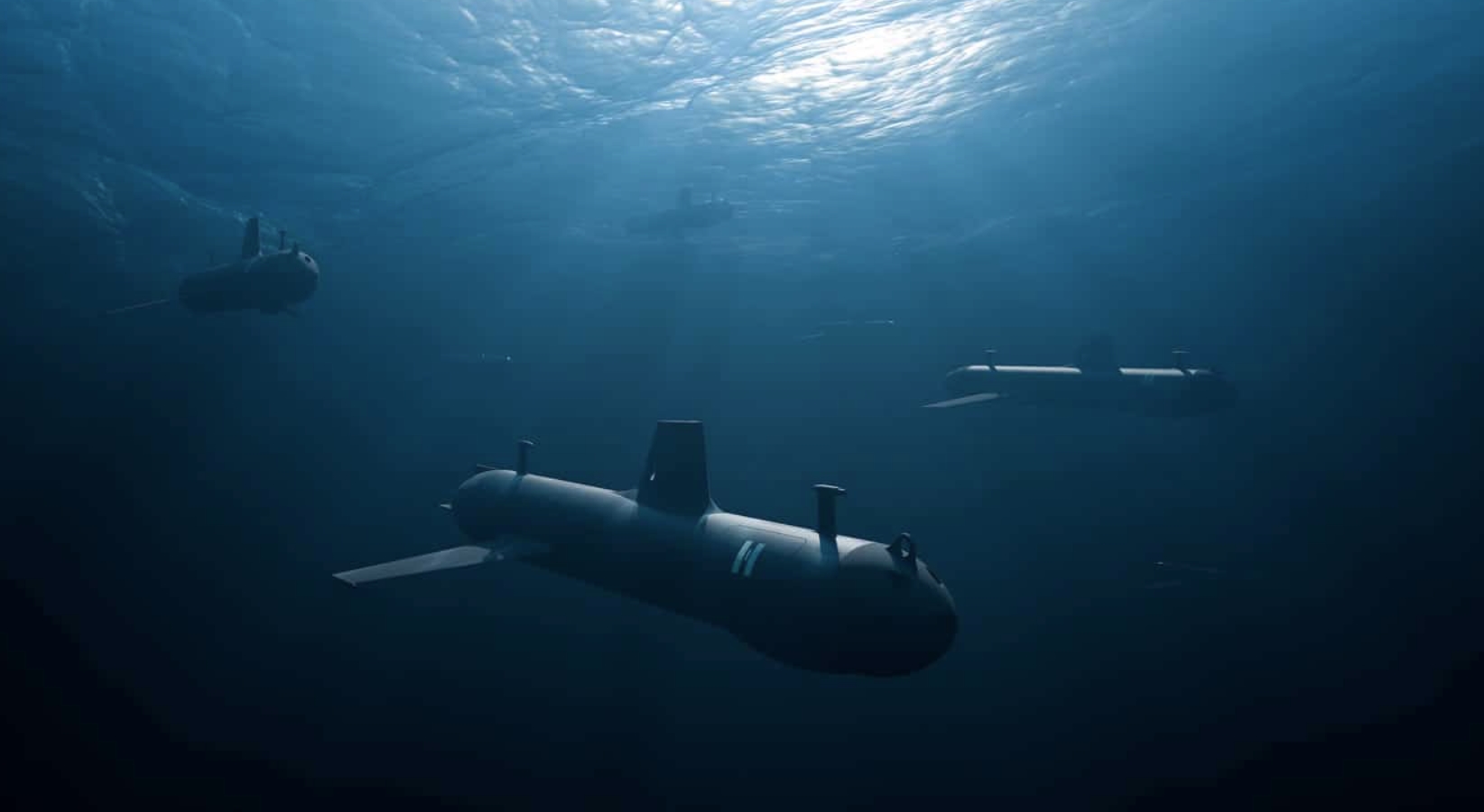
In an innovative move, the UK has deployed Fathom marine gliders in the Atlantic, representing a cutting-edge approach to underwater surveillance. These autonomous vehicles are designed to enhance detection and tracking capabilities against Russian submarines. The deployment signifies a technological leap in maritime defense, offering a stealthy and efficient means to monitor underwater activities. This strategy is part of a broader effort to integrate advanced technologies into traditional naval operations, ensuring a robust defense posture in contested waters.
Update: UK, Norway sign new defence agreement on undersea security
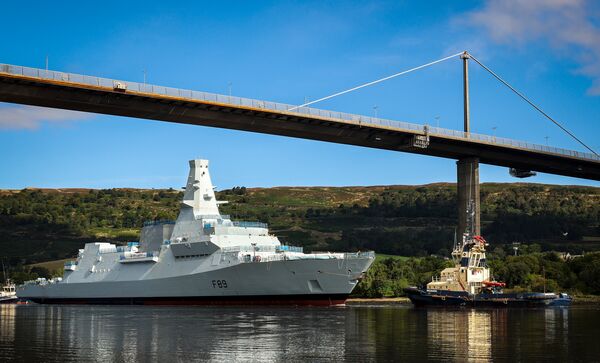
In a strategic move to bolster undersea security, the UK and Norway have signed a new defence agreement. This collaboration underscores the importance of allied partnerships in addressing shared security challenges posed by Russian submarine activities. The agreement focuses on enhancing joint capabilities and sharing intelligence, reflecting a unified approach to safeguarding the North Atlantic's underwater domain. It represents a proactive stance in ensuring the stability and security of these critical regions amidst evolving threats.
Summary / Insights
The recent series of events highlights the UK's strategic emphasis on maintaining maritime security in the face of Russian submarine activities. Through advanced technologies, international alliances, and enhanced defense strategies, the UK is positioning itself to effectively manage potential threats. The broader narrative suggests a delicate balance of power where technological innovation and diplomatic efforts converge to safeguard vital interests.

Resources
Sources and references cited in this article.