
Europe's Complex Plan to Utilize Frozen Russian Assets for Ukraine's Benefit
In an unfolding geopolitical maneuver, the European Union's decision to immobilize Russian assets and potentially use them to support Ukraine has sparked a significant international dialogue. This move, filled with strategic and legal intricacies, involves the cooperation—or resistance—of various European nations and their leaders. This trend digest will explore the implications, reactions, and potential outcomes of this ambitious plan.
Main Topic Overview
The European Union's strategy to leverage frozen Russian assets for Ukraine aims to provide financial aid amid ongoing conflict. This initiative has not only challenged existing political alliances but has also raised questions about international law and economic stability. The potential for retaliatory measures from Russia adds another layer of complexity to an already intricate situation.
Russia hits back at Europe's big plan to loan Moscow's frozen cash to Ukraine
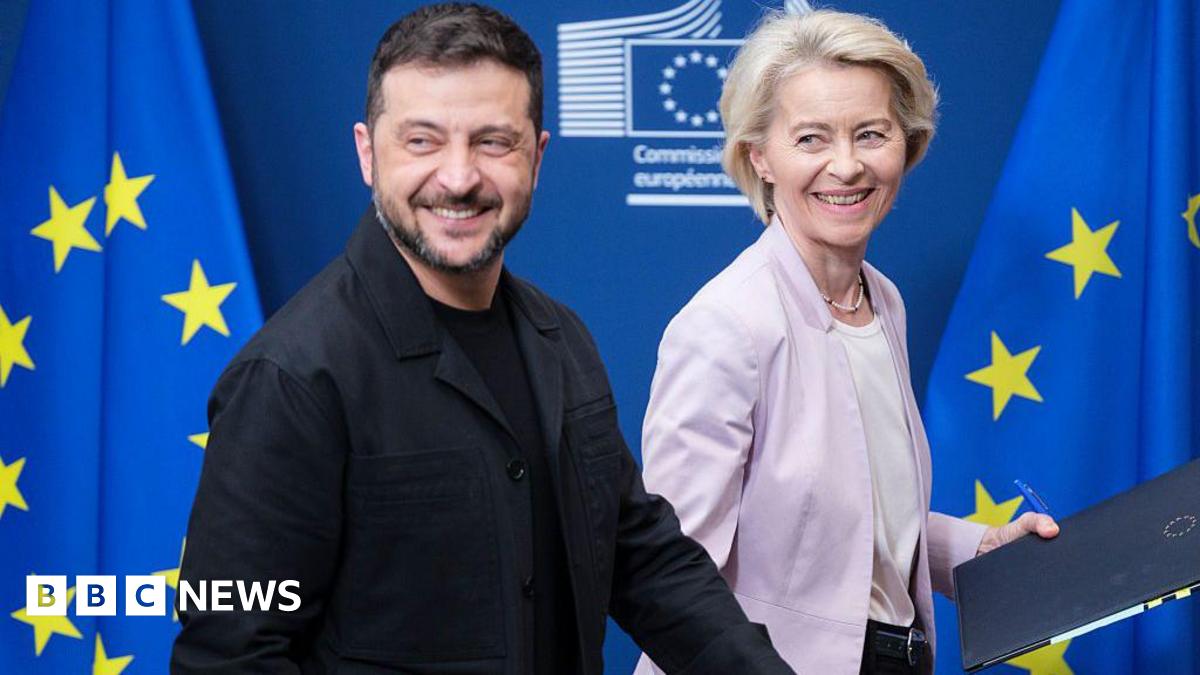
The BBC reports on Russia's vocal opposition to the EU's plan to loan frozen Russian assets to Ukraine. This reaction underscores the tension between Moscow and European entities, highlighting the geopolitical stakes involved. Russia's response could potentially escalate into broader diplomatic challenges, influencing EU's internal cohesion and its external relations with global powers. This development is a key factor in understanding the broader implications of the asset immobilization strategy.
Belgian PM meets Starmer in London as debate continues on using frozen Russian assets for Ukraine – Europe live
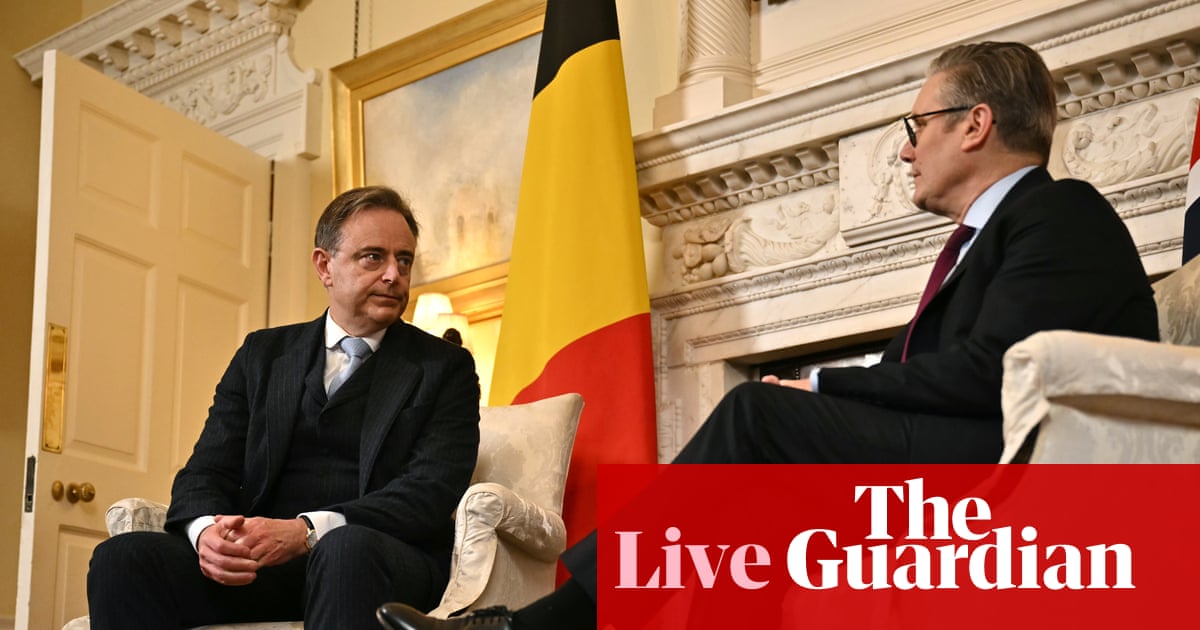
The Guardian covers a critical meeting between Belgian Prime Minister and UK Labour leader Keir Starmer, emphasizing the ongoing debates within Europe about the legality and ethics of utilizing Russian assets. As the EU navigates these diplomatic waters, the positions of individual member states, such as Belgium, play a pivotal role in shaping the bloc's unified response. This reflects the intricate balance of national interests versus collective EU actions.
EU agrees to indefinitely immobilise € billion of Russian assets
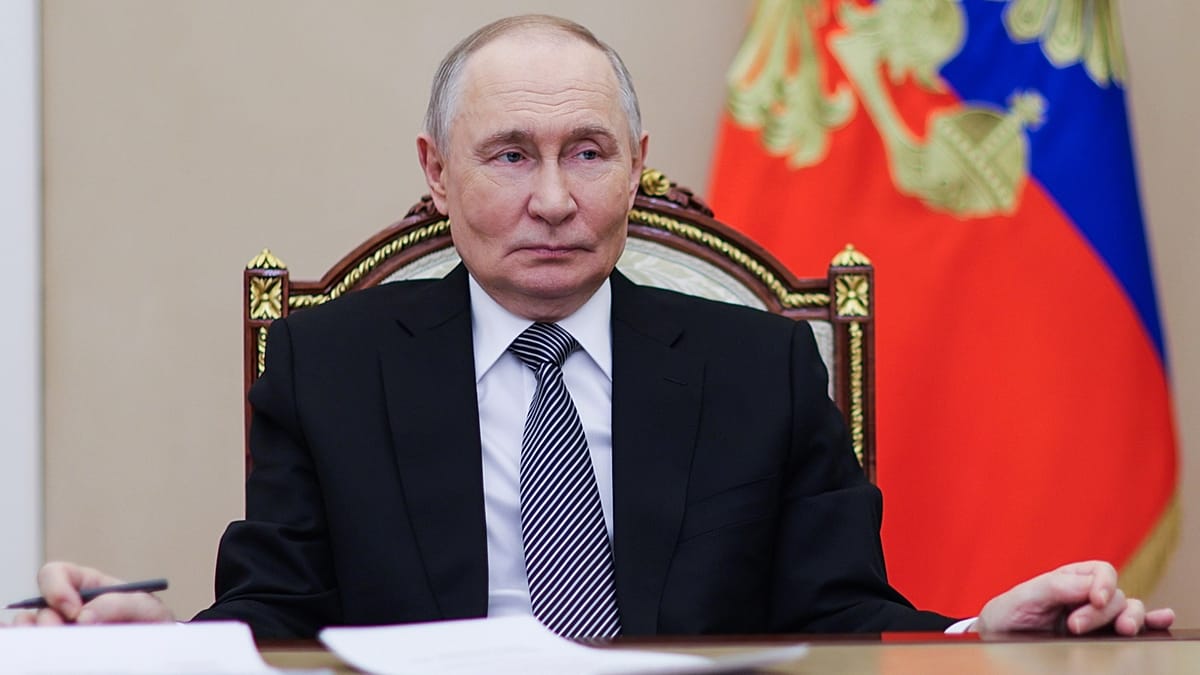
Euronews delves into the EU's decision to indefinitely immobilize Russian assets, a move that has significant implications for international finance and legal standards. This action reflects the EU's commitment to supporting Ukraine while circumventing potential internal opposition from member states like Hungary. By enacting an emergency clause, the EU sets a precedent in international asset management, raising questions about the future of such financial instruments in geopolitical conflicts.
EU approves legal workaround to sideline Orbán, keep Russian assets frozen forever

POLITICO.eu highlights the EU's strategic legal maneuver to bypass opposition from Hungary, led by Viktor Orbán, to maintain the freeze on Russian assets. This decision demonstrates the EU's resolve in navigating internal dissent while pursuing its broader geopolitical goals. The legal framework set forth could have lasting effects on EU governance and its ability to act unilaterally in crisis situations.
EU set to lock up Russia's frozen assets so Hungary and Slovakia can't veto their use for Ukraine
According to AP News, the EU's approach to securing Russian assets reflects a strategic effort to prevent vetoes from dissenting member states like Hungary and Slovakia. This move not only aims to protect the EU's unified stance but also raises questions about the power dynamics within the union, as well as the potential ramifications for EU-Russia relations. The effectiveness of this tactic in maintaining cohesion will be closely watched by international observers.
Belgium balks at EU plan to seize Russian assets, citing fear of Kremlin retaliation
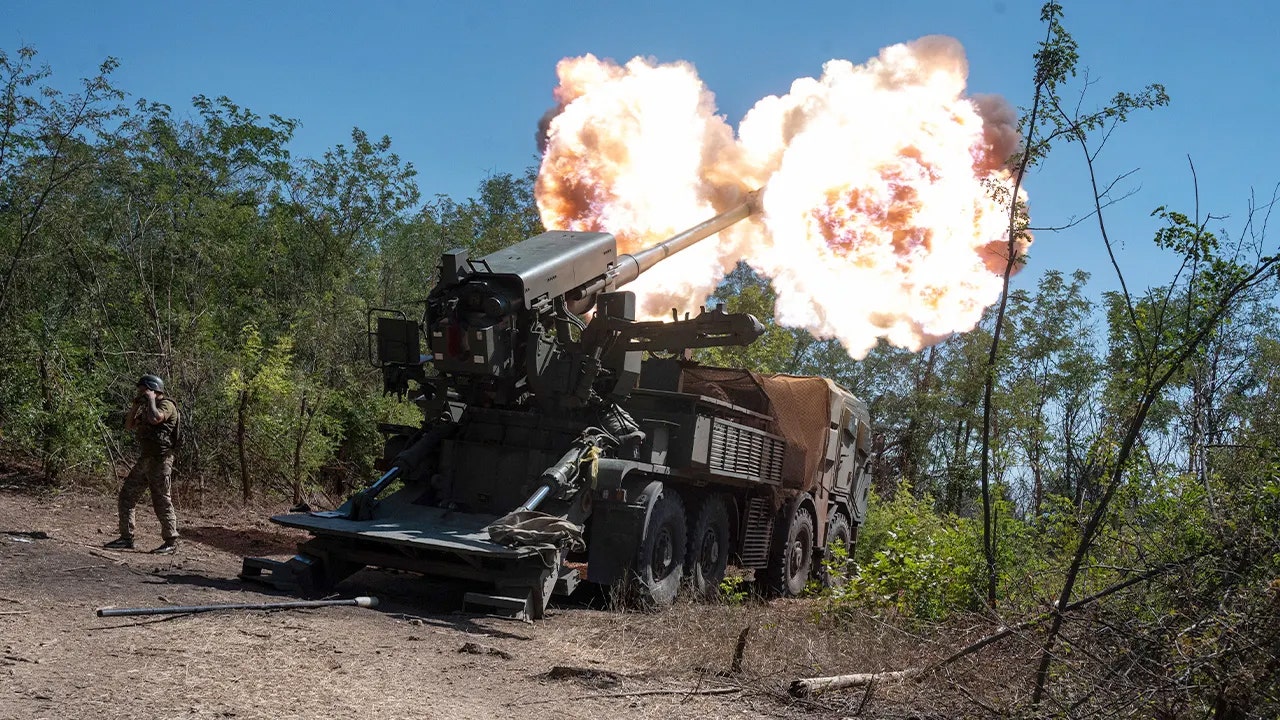
Fox News reports on Belgium's hesitation regarding the EU's asset seizure plan, driven by concerns over potential Russian reprisals. This stance highlights the diverse perspectives within the EU, illustrating the challenges of achieving consensus on foreign policy decisions. Belgium's position underscores the delicate balance the EU must maintain between asserting its policies and managing bilateral relations with Russia.
With reparations loan for Ukraine, the EU defies both Putin and Trump
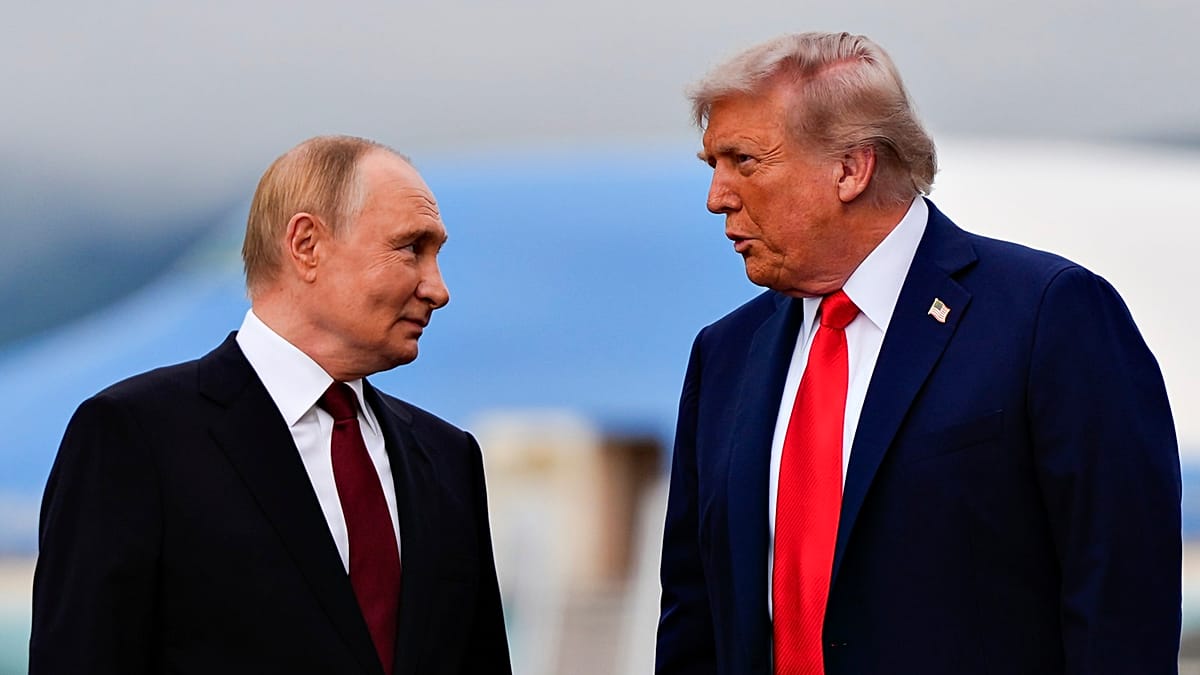
Euronews highlights the EU's bold stance in offering financial reparations to Ukraine, a move seen as a defiance of both Russian and American pressures. This decision not only signifies the EU's commitment to Ukraine but also represents a significant geopolitical statement. The complexities of this action reflect the EU's strategic ambitions and its potential consequences for transatlantic relations.
Russian assets proposal: main takeaways

POLITICO.eu provides an in-depth analysis of the EU's Russian assets proposal, summarizing the key points and potential impacts. This piece offers insights into the legal and political challenges faced by the EU, as well as the broader implications for international relations. The proposal's reception among EU member states and its influence on global policy are critical aspects explored in this coverage.
Newspaper headlines: Russian assets 'deal' plan and 'Joe the GOAT'

The BBC's coverage of newspaper headlines provides a snapshot of public discourse surrounding the EU's plan. The varied reactions across different media outlets reflect the complexity and divisiveness of the issue. This highlights the challenges the EU faces in managing both internal and external perceptions of its strategies.
Dinner for three
Euractiv's piece titled "Dinner for three" offers an intriguing look into the diplomatic engagements between key EU leaders amid the Russian assets debate. This article highlights the behind-the-scenes negotiations and the personal dynamics that influence policy decisions. The narrative underlines the importance of interpersonal relationships in shaping significant geopolitical outcomes.
Summary / Insights
The EU's decision to utilize frozen Russian assets for Ukraine has unveiled a complex web of legal, diplomatic, and strategic considerations. The reactions from Russia, the hesitations of member states like Belgium, and the EU's internal legal maneuvers all paint a picture of a multifaceted geopolitical strategy. As this story unfolds, the implications for EU unity, international law, and global geopolitical balance will continue to evolve.

Resources
Sources and references cited in this article.