
Joey Barton Trial: When Online Speech Meets Legal Boundaries
Former footballer Joey Barton is once again at the center of public controversy—this time over social media posts directed at broadcaster Jeremy Vine and football figures Lucy Ward and Eni Aluko. The ongoing court case has sparked a national debate about the limits of free speech, online harassment, and accountability in the digital age.
- Outline the allegations against Joey Barton and the legal implications of his posts.
- Summarize reactions from figures involved, including Jeremy Vine and Lucy Ward.
- Analyze how UK media framed the tension between free expression and harassment.
- Trace the public’s divided response across digital platforms.
- Explore how this case could set precedents for online conduct in Britain.
For related stories, see /topics/uk-law
Main Topic Overview
Once known for his fierce personality on the pitch, Joey Barton’s off-field reputation has increasingly been shaped by his online activity. His recent posts on X (formerly Twitter), targeting journalist Jeremy Vine and former football professionals Lucy Ward and Eni Aluko, are now subject to criminal proceedings. The prosecution argues that Barton’s posts “crossed the line between free speech and crime,” while his defense maintains that he was exercising his right to express opinion within lawful limits. The case raises critical questions about where public commentary ends and personal harassment begins.
News Coverage
Jeremy Vine 'completely devastated' by Joey Barton X posts
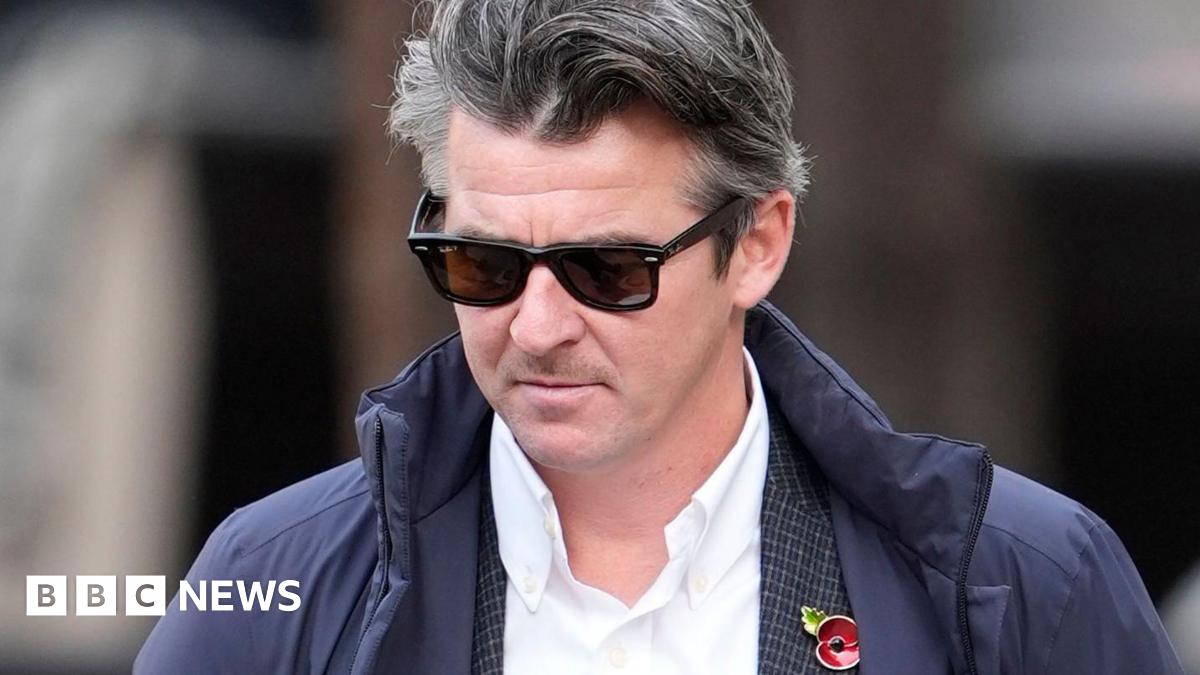
The BBC reported that Jeremy Vine described himself as “completely devastated” by Barton's online remarks, testifying that they left him feeling unsafe. Vine told the court that Barton’s posts targeted him in a way that went beyond criticism, instead causing lasting distress. The outlet emphasized how the broadcaster’s testimony underscored the psychological toll of sustained digital abuse on public figures.
Lucy Ward tells court Joey Barton social media posts scared her

The Guardian provided a detailed account of Lucy Ward’s emotional testimony, where she said Barton’s posts made her feel “scared” and “intimidated.” The article contextualized her statements within broader issues of gendered online harassment, referencing how women in sports and media continue to face disproportionate levels of abuse on social platforms.
Barton ‘crossed line between free speech and crime’ with posts about Vine and Aluko

The Telegraph emphasized the prosecution’s argument that Barton’s conduct was “beyond acceptable discourse.” Prosecutors claimed his messages were designed to humiliate and intimidate, targeting specific individuals rather than addressing issues of public interest. The article also touched on the cultural tension between the defense of free speech and the societal expectation of accountability in digital expression.
Joey Barton comments ‘made me feel physically unsafe’, Jeremy Vine tells court

The Independent echoed Vine’s sense of vulnerability, quoting him as saying that Barton’s words left him “physically unsafe.” The outlet’s coverage highlighted how public figures increasingly view online attacks as tangible threats to personal security. The piece framed the case as a test of whether British law can adapt to protect individuals from harm in digital spaces without infringing on free expression.
Joey Barton’s social media posts ‘beyond what is tolerable in society’, court hears

The New York Times (via The Athletic) characterized the trial as a pivotal moment for defining the boundaries of online civility. The court heard that Barton’s conduct exemplified how public figures with large followings can amplify harmful narratives. The report noted that the case may influence upcoming legislation around online harms and platform responsibility in the UK.
Joey Barton 'crossed line between free speech and crime' with X posts, jury hears

Sky News provided a balanced overview, focusing on the jury’s challenge in differentiating provocative opinion from unlawful harassment. The coverage underscored how Barton’s online influence magnified the reach and potential harm of his words. The outlet also noted the broader implications for media regulation and personal accountability within the UK’s evolving online safety framework.
Summary / Insights
Freedom vs accountability: The Barton trial underscores how easily social commentary can blur into harassment when amplified through mass social media platforms.
Gendered implications: Testimonies from Lucy Ward and Eni Aluko have reignited discussions about misogyny and online abuse in UK football culture.
Legal precedent: The case could inform future rulings on digital conduct, particularly around intent, impact, and proportionality of online speech.
Societal reflection: Media coverage reveals a growing public consensus that online influence carries moral and legal responsibility, regardless of celebrity status.
TL;DR
Joey Barton faces trial over social media posts deemed by prosecutors to have crossed into harassment. Testimonies from Jeremy Vine and Lucy Ward have placed the spotlight on how UK law defines—and limits—free speech online.

Resources
Sources and references cited in this article.