
The Unveiling of 'Stakeknife': A Spy, The IRA, and A Nation in Turmoil
In a groundbreaking series of revelations, the once shadowy figure known as 'Stakeknife' has been thrust into the spotlight. This enigmatic individual, revealed to be a top British spy embedded within the IRA, is at the center of a new wave of scrutiny and controversy. A recent report has brought to light the extent of the spy's activities, leaving a trail of ethical and political questions in its wake. This article delves into the key findings from the report and examines the broader implications for the UK government and its intelligence operations.
Main Topic Overview
The codename 'Stakeknife' has long been associated with secrecy and betrayal, representing a double agent who allegedly committed grave crimes while operating within the IRA. The recent report uncovers not only the spy's actions but also the extensive cover-ups by British intelligence agencies. As the public and officials grapple with these revelations, the debate intensifies over accountability and transparency in intelligence operations.
News Coverage
'Stakeknife' spy inside IRA committed 'worst possible' crimes
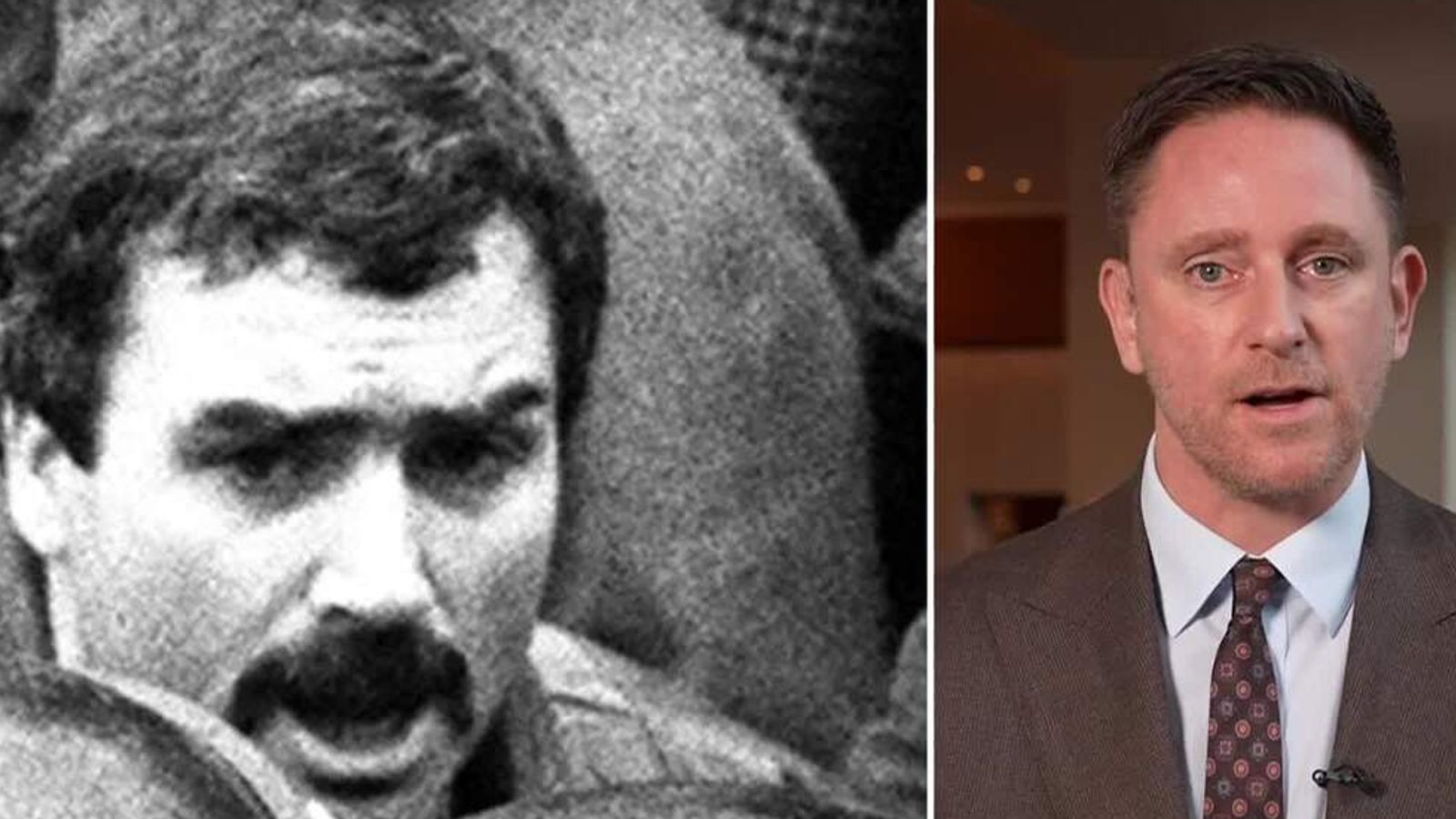
Sky News reports that the 'Stakeknife' spy committed some of the most egregious crimes during his time within the IRA, highlighting a complex web of moral compromises and intelligence failures. The report suggests that despite his role in numerous IRA executions, the spy was protected by his handlers, raising questions about the moral calculus involved in intelligence operations. This revelation opens a Pandora's box of ethical dilemmas, challenging the principles of justice and accountability.
MI impeded inquiry into Stakeknife agent who murdered for IRA, says official report
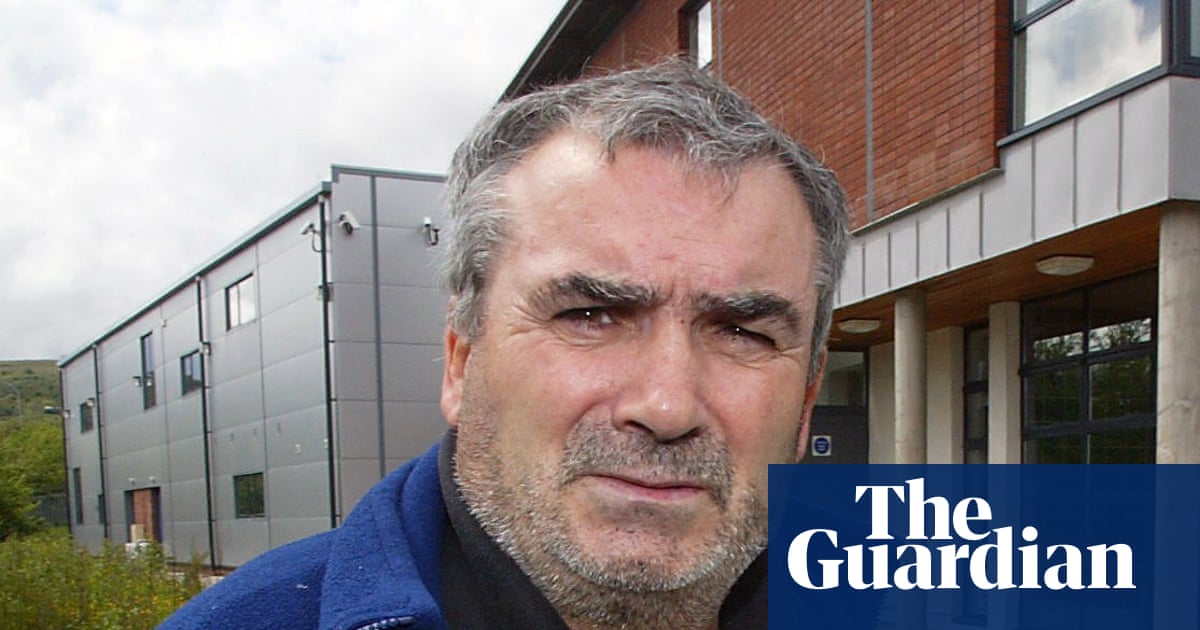
The Guardian discusses the report's findings that MI5 actively impeded investigations into the activities of 'Stakeknife', despite being aware of his involvement in IRA-related murders. This revelation points to a broader systemic issue within intelligence agencies, where operational secrecy and protection of assets sometimes override legal and ethical considerations. The report calls for a reassessment of intelligence oversight mechanisms to ensure accountability and prevent future abuses of power.
MI tried to cover up truth over 'Stakeknife' spy in IRA, report says

The BBC highlights the report's assertion that efforts were made by intelligence agencies to obfuscate the truth about 'Stakeknife', suggesting a concerted effort to protect intelligence interests over public transparency. This finding underscores the tension between national security priorities and democratic accountability, fueling public demand for greater transparency and reform in intelligence operations. The report's release marks a pivotal moment in the ongoing debate about the balance between security and transparency.
Top IRA agent Stakeknife protected by British handlers, report finds

RTE.ie reports that the 'Stakeknife' spy was shielded by British handlers, allowing him to continue his activities within the IRA unchecked. This aspect of the report highlights the complex moral and operational challenges faced by intelligence agencies in managing high-level informants. The protection afforded to 'Stakeknife' raises critical questions about the priorities of intelligence strategies and the ethical implications of such protective measures.
Summary / Insights
The revelations surrounding 'Stakeknife' have opened a significant debate on the ethics and governance of intelligence operations. While the report sheds light on the operational decisions made by intelligence agencies, it also underscores the need for greater transparency and accountability. The balance between national security interests and democratic oversight is at the forefront of this discourse, prompting calls for reform and a reevaluation of intelligence practices. As the UK government grapples with these findings, the coming months will be crucial in shaping the future of its intelligence operations.

Resources
Sources and references cited in this article.