
Pope Leo XIV's Consistory: A New Era for the Vatican
The start of 2026 has been marked by significant movements within the Vatican, as Pope Leo XIV has kicked off his papacy with a consistory that has drawn international attention. This article delves into the recent developments, the Pope's vision, and the broader implications for the Catholic Church worldwide.
Main Topic Overview
Pope Leo XIV has initiated a series of actions aimed at revitalizing the Catholic Church's engagement with its foundational teachings and expanding its global influence. His recent consistory is not just a ceremonial gathering of cardinals but a strategic move designed to set the tone for his papacy. The emphasis on Vatican II teachings and annual consistories highlights a commitment to continuity and renewal.
Pope Leo XIV calls on Catholics to rediscover Vatican II teachings

Pope Leo XIV has urged Catholics to revisit the teachings of the Second Vatican Council, emphasizing their relevance in today's world. His call is seen as an effort to bridge the gap between traditional and modern interpretations of Catholicism, encouraging a unified approach to faith that respects historical doctrines while adapting to contemporary challenges. This initiative could foster greater inclusivity and dialogue within the Church.
Leo’s consistory, Francis’ legacy
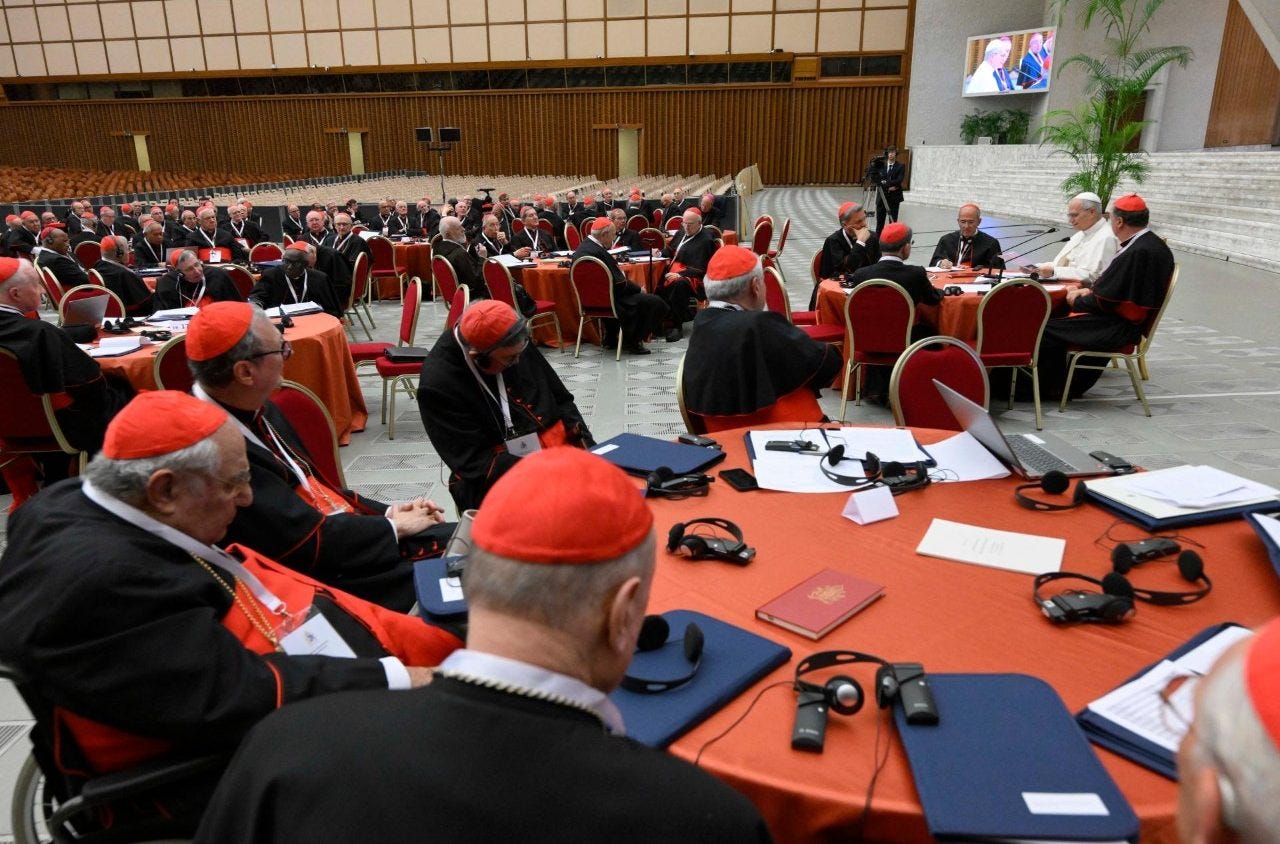
The consistory orchestrated by Pope Leo XIV is intricately linked to the legacy of Pope Francis, whose papacy was marked by a progressive mindset. Leo XIV appears to be building on Francis' foundations by continuing efforts towards inclusivity and reform within the Church. This continuity suggests a strategic vision that leverages past successes while navigating the Church through its current sociopolitical landscape.
Pope Leo: Another Consistory in June; We will hold one every year

In a bold statement, Pope Leo XIV announced plans for another consistory in June, setting a precedent for annual gatherings of this nature. This decision underscores his commitment to maintaining a dynamic and responsive leadership within the Catholic hierarchy. Regular consistories could enable the Church to address pressing global issues more swiftly, enhancing its adaptability in a rapidly changing world.
As consistory opens, Pope Leo XIV tells cardinals ‘I am here to listen’
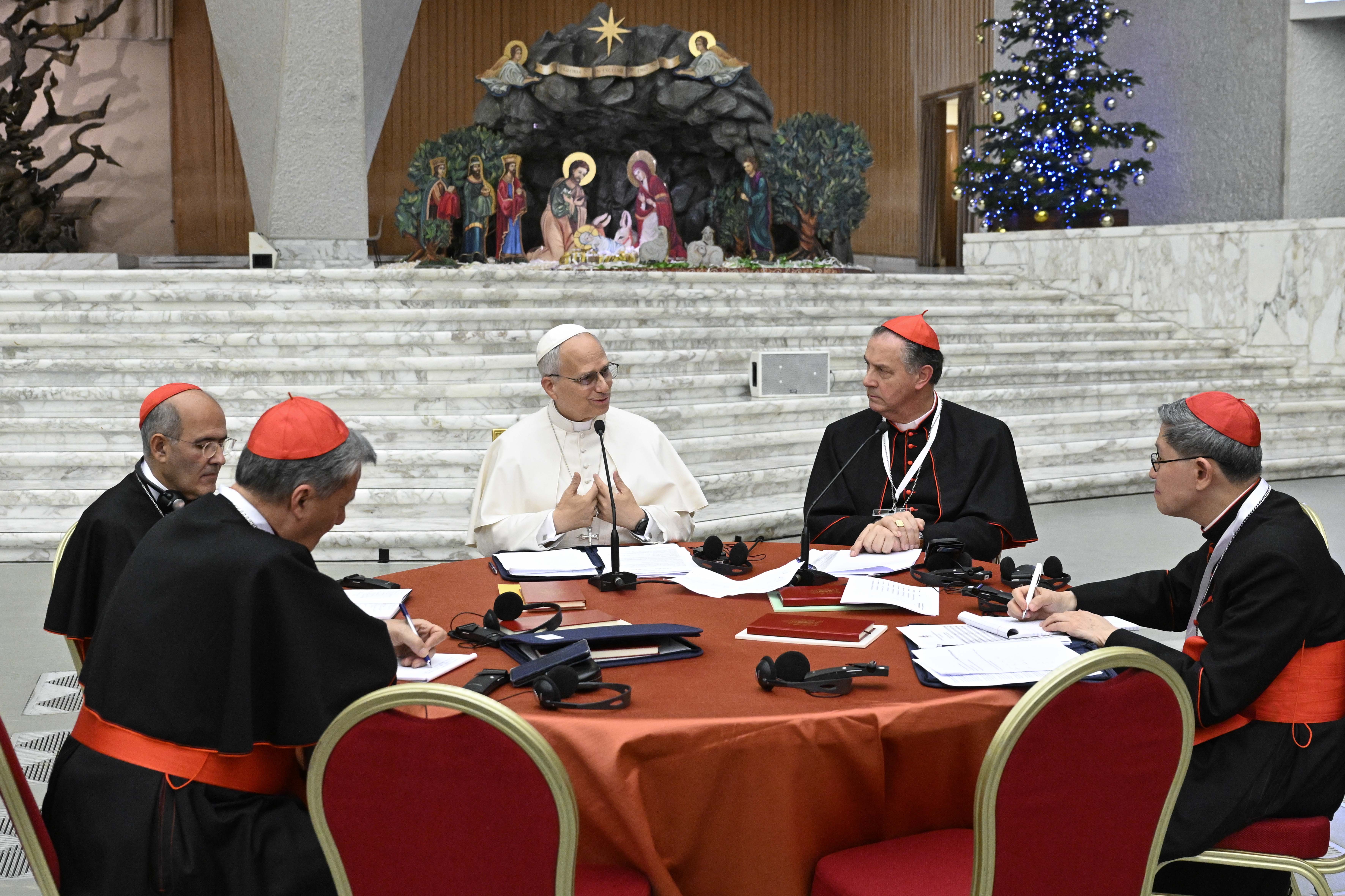
In his opening remarks at the consistory, Pope Leo XIV emphasized his role as a listener, signaling a collaborative approach to governance. By prioritizing dialogue and understanding, Leo XIV is likely to foster a more inclusive atmosphere within the Church’s leadership. This approach could be pivotal in addressing internal and external challenges, promoting unity among the Church's diverse voices.
First Things First: What the Consistory Reveals About Pope Leo’s Priorities
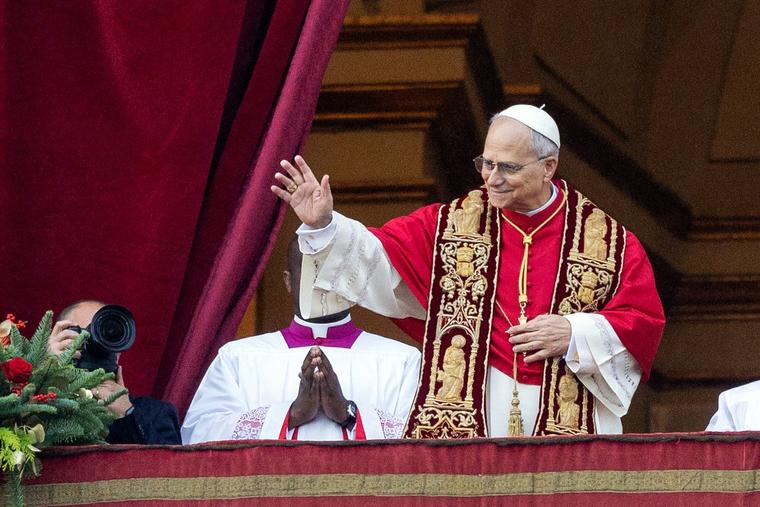
This consistory has shed light on Pope Leo XIV's priorities, emphasizing a balance between tradition and progressive reform. His focus on consistent engagement through annual consistories suggests a strategic approach to addressing both doctrinal and social issues. By understanding Leo's agenda, observers can better anticipate the trajectory of his papacy and the potential impacts on global Catholicism.
‘No invite,’ or ‘no fly’? Nicaraguan cardinal absent from Rome consistory
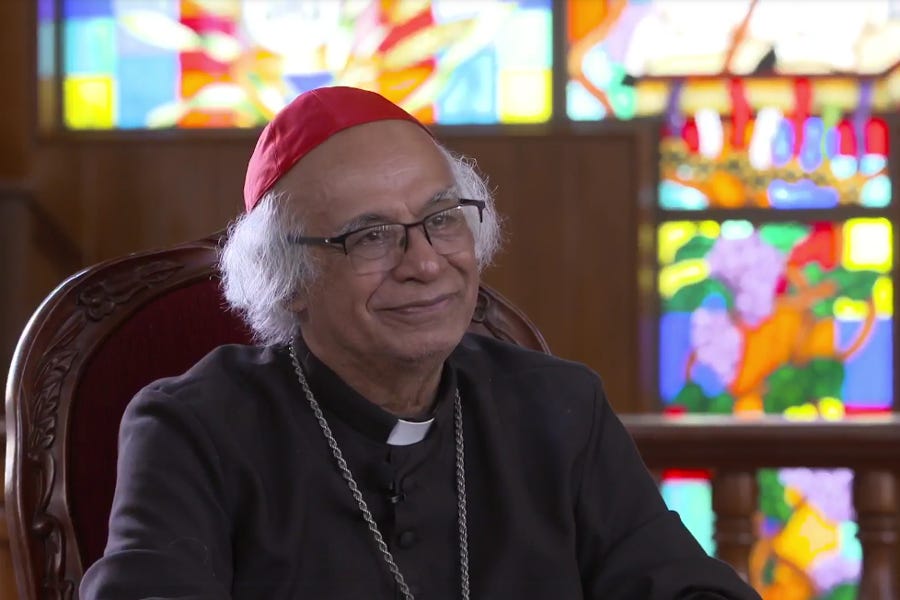
The absence of a Nicaraguan cardinal from the consistory has sparked discussions about the political and logistical challenges surrounding such events. The speculation over whether the absence was due to a lack of invitation or travel restrictions highlights the complexities of Vatican diplomacy. This incident underscores the broader geopolitical factors that can influence Church operations and international relationships.
Summary / Insights
Pope Leo XIV's consistory marks a significant step in shaping the future of the Catholic Church. By emphasizing Vatican II teachings and establishing annual consistories, Leo XIV is setting a course for a more adaptive and inclusive Church. The emphasis on listening and dialogue suggests a leadership style that values input and collaboration. As the Church navigates its complex role in modern society, these developments could prove crucial in maintaining its relevance and influence.

Resources
Sources and references cited in this article.