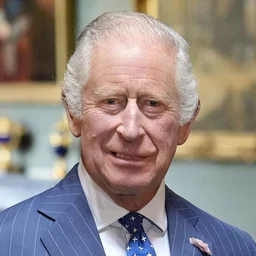
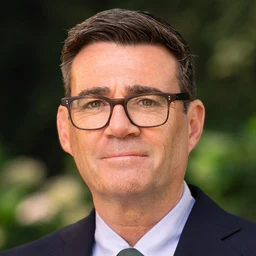
A 103-year-old former Land Girl who lied about her age to sign up in 1940 joined 10,000 veterans on Whitehall as the nation came to a standstill. King Charles III led the country in two minutes of silence at the Cenotaph in central London on Sunday 8 November, honouring members of the armed forces who lost their lives in historical and contemporary conflicts. The national commemoration brought together senior members of the Royal Family, political leaders, and service personnel spanning every generation.

What Is Happening
Communities across the United Kingdom marked Remembrance Sunday on 8 November with civic services, parades, and wreath-laying ceremonies culminating in the traditional two-minute silence observed at 11:00 GMT. The central national act of remembrance took place along Whitehall in London, where King Charles III laid a wreath at the base of the Cenotaph. The King was joined by senior royals including the Prince and Princess of Wales, as well as Prime Minister Andy Burnham and Defence Secretary Wes Streeting.
Following the formal ceremony, an estimated 10,000 veterans representing more than 300 military and civilian bodies took part in the Royal British Legion's annual march-past. The parade brought together Second World War veterans alongside those who served in recent deployments, from peace missions in Bosnia to operational deployments across the Middle East. Beyond London, hundreds of regional ceremonies drew thousands of attendees across England, Scotland, Wales, and Northern Ireland, from civic centres like Birmingham and Sunderland to communities such as Penzance in Cornwall, where three trumpeters aged 15, 53, and 77 united to play the Last Post.
The Background
Remembrance Sunday is observed annually across Britain on the second weekend of November, falling on the Sunday closest to Armistice Day on 11 November, which commemorates the formal cessation of hostilities in the First World War in 1918. Established to remember those who died defending the country, the observance has expanded over decades to encompass casualties from the Second World War as well as postwar and contemporary military campaigns.

The weekend's national events began on Saturday evening at the Royal Albert Hall with the Royal British Legion's Festival of Remembrance, attended by the King, Queen Camilla, and the Prince and Princess of Wales. Hosted by Clive Myrie, the televised concert highlighted the human toll of modern service, paying special tribute to the 35th anniversary of the conclusion of the First Gulf War and 15 years since the end of British military operations under Operation Telic in Iraq.
The Latest Development
The 2026 commemorations were distinguished by both historic milestones and personal stories of resilience from frontline veterans. Enlisting at age 16 during the blitz in 1940, 103-year-old Annie Duplock joined the Whitehall procession for the first time, representing the Women's Land Army after decades away from formal parades.
I feel very honoured to be taking part in the parade and to represent the Land Girls. I’m very excited, although a little apprehensive as I don’t quite know what to expect. I think it will be a very emotional day, bringing back memories of all those who didn’t return home.
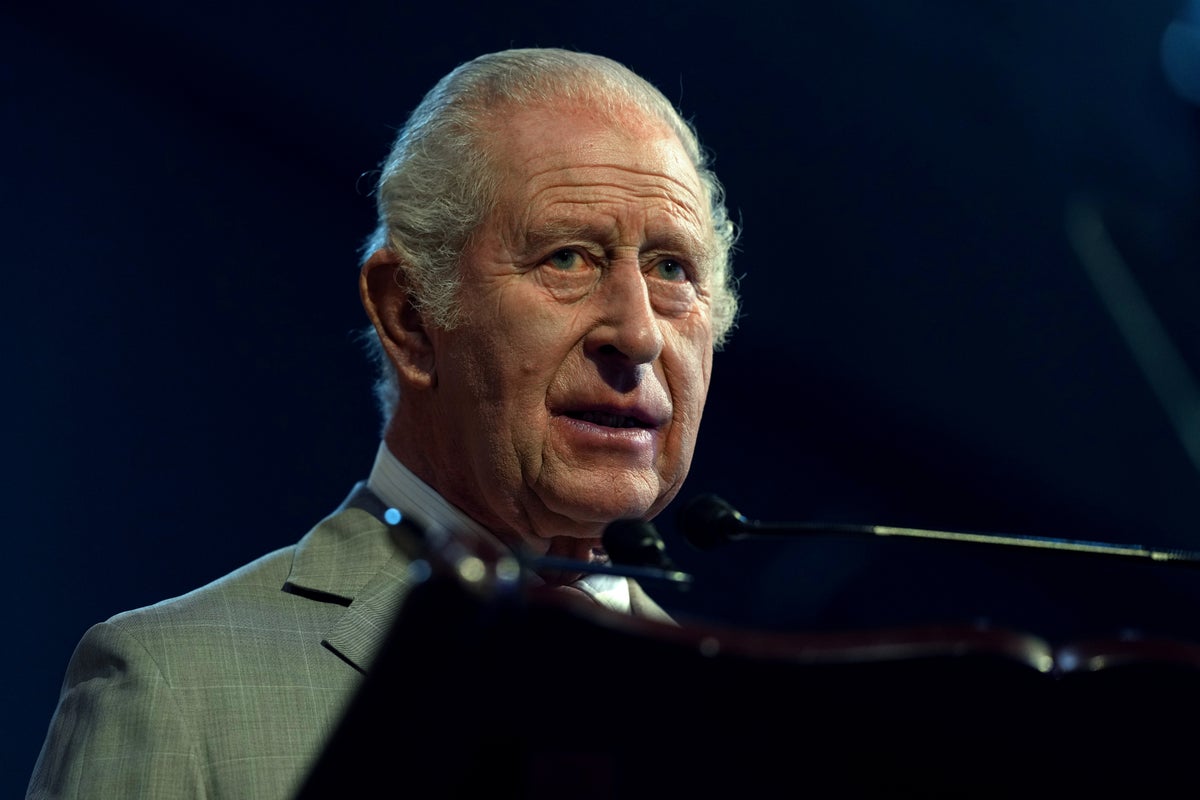
Marching alongside veteran contingents was 43-year-old Steve Hooper, a former Royal Air Force ambulance driver who served in Iraq and paraded with the Invictus Games Alumni. His presence highlighted the ongoing mental and physical health needs of younger generations who served in 21st-century theatres.
I saw a lot of trauma in Iraq as an ambulance driver, and when I came back, I was struggling with sleep and having flashbacks. If it wasn’t for the support I received from the Royal British Legion through the Invictus Games, I don’t know where I’d be today.
The occasion also saw strong statements from political leaders. Prime Minister Andy Burnham and Culture Secretary Lisa Nandy addressed the duty owed to past and present service members, with Nandy noting that society is preparing to raise the first generation for whom armed conflict will be learned purely as history.
Remembrance Sunday gives us an opportunity, not only to mark that sacrifice and offer our gratitude, but also to reflect on its significance. To reflect on the selflessness and courage it takes to commit your life to protecting others.
What It Means
For British veterans and active military personnel, the nationwide ceremonies provide public recognition of both historic sacrifices and current defence commitments. The gathering on Whitehall carries practical significance for charities such as the Royal British Legion, whose annual Poppy Appeal supports living veterans managing combat-related trauma, physical injuries, and civilian transition challenges.
The event also placed political scrutiny on state support for former personnel. While political figures across Westminster publicly reiterated their appreciation for armed forces personnel, campaigners used the remembrance period to demand substantial reforms to veteran compensation systems, arguing that lengthy administrative backlogs leave injured former personnel waiting months or years for financial and medical assistance.
What Remains Unclear
While the Ministry of Defence maintains it is operating at pace to deliver compensation settlements to eligible applicants, official departments have not set a published deadline for clearing the backlog of contested claims. The exact structural timetable for proposed administrative reforms to veteran support services has not been released.
Frequently Asked Questions
When was Remembrance Sunday 2026 marked?
Remembrance Sunday was marked on 8 November 2026, the second Sunday of November, preceding Armistice Day on Wednesday 11 November.
Who led the National Service of Remembrance at the Cenotaph?
King Charles III led the national ceremony on Whitehall, accompanied by senior members of the Royal Family, government ministers, and representatives of the armed forces.
How many veterans took part in the London march-past?
Around 10,000 veterans representing more than 300 armed forces and civilian organisations took part in the Royal British Legion's march down Whitehall.
What anniversaries were commemorated in 2026?
The 2026 commemorations marked 35 years since the end of the First Gulf War and 15 years since the conclusion of Operation Telic in Iraq.
At what time was the national silence observed?
A two-minute silence was observed nationwide at 11:00 GMT on Sunday 8 November 2026.