
The Spectacular Geminid Meteor Showers Illuminate UK Skies
The Geminid meteor showers, one of the most breathtaking celestial events of the year, are captivating skywatchers across the UK. Known for their vibrant display of shooting stars, these showers offer a dazzling performance that peaks in mid-December, drawing enthusiasts and casual observers alike. This digest explores the event's significance, the best times to witness the display, and the science behind these meteor showers.
Main Topic Overview
The Geminids are a prolific meteor shower caused by the debris from the asteroid 3200 Phaethon. Unlike most meteor showers, which originate from comets, the Geminids provide a unique opportunity to observe meteors from an asteroid, offering insights into different celestial phenomena. The showers typically peak around December 13-14, when up to 120 meteors per hour can be seen under optimal conditions, making it a must-see event for astronomers and stargazers.
News Coverage
Geminid meteor shower set to light up sky during weekend peak

The BBC reports that the Geminid meteor showers promise a spectacular celestial display this weekend, with the peak expected to offer clear skies for much of the UK. The showers are anticipated to produce a high frequency of visible meteors, providing a significant opportunity for both seasoned astronomers and newcomers to experience the wonder of the night sky. The report also highlights the unique nature of the Geminids, which are not only bright but also slower-moving, making them easier to spot.
Geminid meteor shower set to light up Irish skies

RTE.ie covers the anticipation surrounding the Geminid meteor showers in Ireland, emphasizing the optimal viewing conditions expected over the weekend. The article suggests that the best times to view the showers will be late at night into the early morning hours, when the skies are darkest. It also notes the importance of finding a location away from urban light pollution to enhance the viewing experience.
When is the best time to watch the Geminid meteor shower tonight?

Space.com provides a detailed guide on the best viewing times for the Geminid meteor showers, highlighting the peak activity occurring in the early hours of December 13-14. The article advises enthusiasts to prepare for a cold night out, suggesting warm clothing and reclining chairs for comfort. It also discusses the science behind the showers, explaining the role of Earth's orbit intersecting with the debris trail of 3200 Phaethon.
Geminid meteor shower: When and where to see hundreds of shooting stars in UK tonight
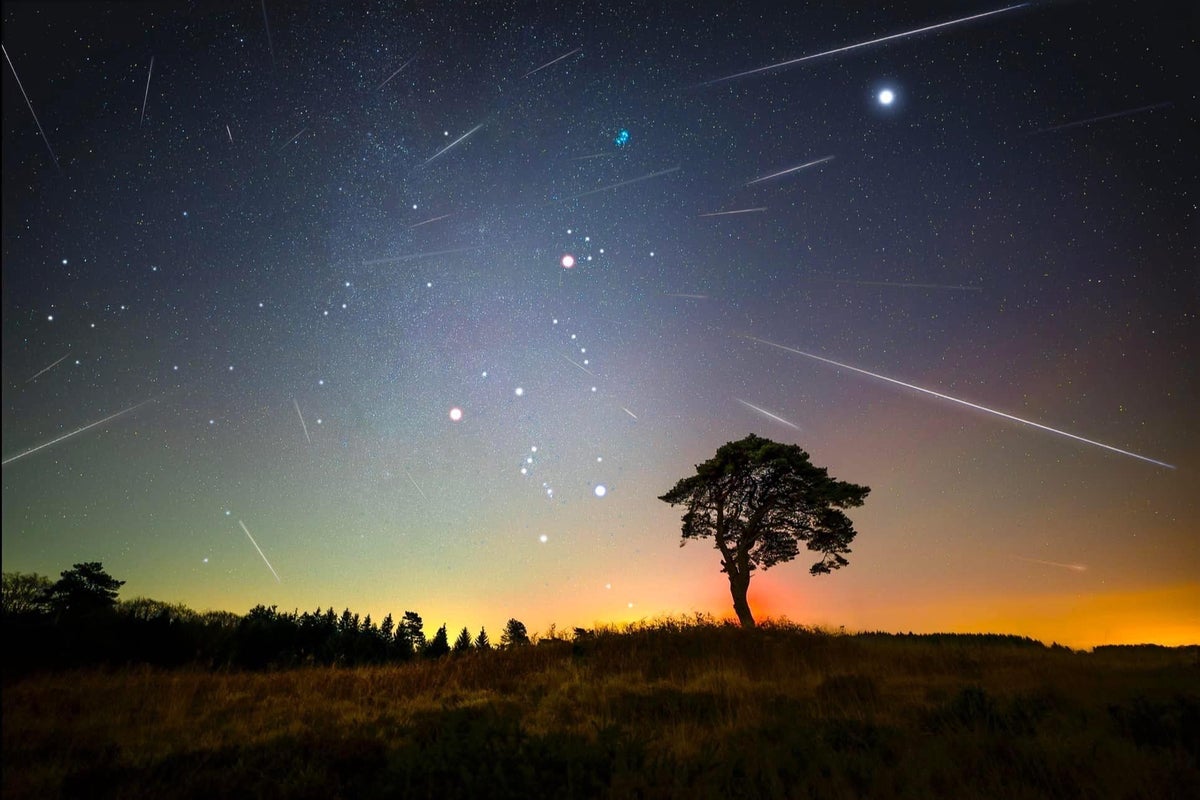
The Independent explores the widespread excitement as the Geminid meteor showers reach their peak visibility in the UK. The article provides practical advice for optimal viewing, such as heading to rural areas and utilizing apps to track meteor activity. It also touches on the historical significance of the Geminids, which have been observed since the mid-19th century and continue to fascinate enthusiasts with their consistent brilliance.
The Geminids are one of the best meteor showers of the year—and the weirdest. Here’s how to see them
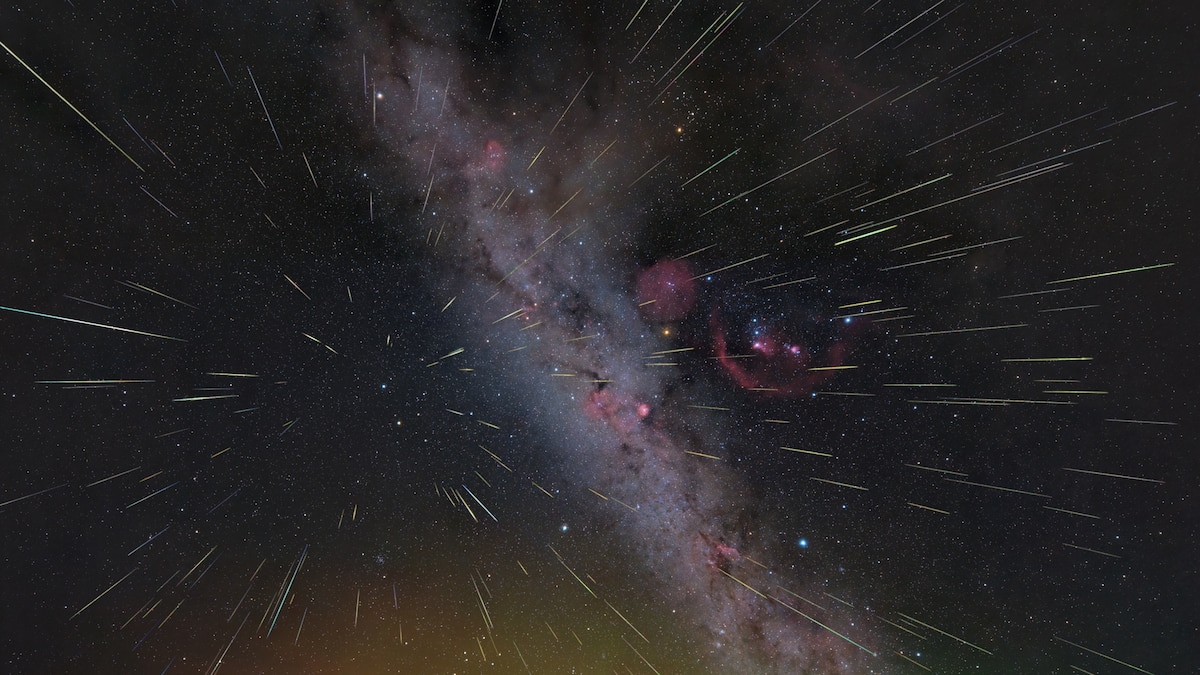
National Geographic delves into the unique characteristics of the Geminid meteor showers, describing them as both one of the best and most peculiar celestial events. The article explains the unusual origin of the showers from an asteroid rather than a comet, offering insights into how this affects their composition and appearance. It also provides a historical perspective, noting the evolution of our understanding of these showers over time.
Summary / Insights
The Geminid meteor showers continue to captivate audiences worldwide with their brilliant display of shooting stars. News coverage emphasizes the accessibility of this event, encouraging both amateur and professional astronomers to partake in this annual spectacle. The showers' unique origin from asteroid debris adds an intriguing scientific angle, enhancing public interest. As viewers prepare for the peak nights, the excitement surrounding the Geminids reflects humanity's enduring fascination with the cosmos.

Resources
Sources and references cited in this article.