
Unveiling AI's Expanding Role: Insights from Stanford and Beyond
Artificial Intelligence continues to shape the technological landscape with significant developments and debates capturing the global stage. This trend digest delves into the latest happenings surrounding AI, emphasizing Stanford University's pivotal role in research and innovation. The narratives span governmental insights, academic breakthroughs, and geopolitical implications, providing a comprehensive view of AI's trajectory.
Main Topic Overview
As AI technology advances, its integration into various sectors has sparked discussions on ethics, security, and global leadership. Stanford University's recent studies and conferences have highlighted these issues, placing the institution at the forefront of AI discourse. The interplay between innovation and regulation remains a critical topic, with experts weighing in on the potential and challenges of AI-driven futures.
News Coverage
ICYMI: At Stanford University, Kelly Underscores the Importance of America Leading AI
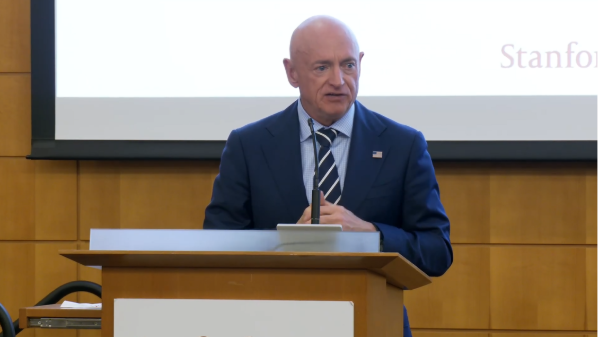
Senator Mark Kelly's address at Stanford University emphasized the strategic importance of American leadership in AI development. By focusing on innovation and ethical standards, Kelly highlighted the need for the U.S. to maintain its competitive edge in the global AI arena. His speech underscored AI's role in enhancing national security and economic growth, urging collaboration between academic institutions and the government to foster responsible AI advancements.
Sen. Mark Kelly on Artificial Intelligence and Innovation
In a detailed discussion, Senator Mark Kelly elaborated on the intersection of AI innovation and policy. He addressed the challenges of balancing technological progress with ethical considerations, particularly in areas like privacy and data security. Kelly advocated for robust frameworks that support innovation while safeguarding public interests, emphasizing the role of legislative action in shaping AI's future.
China’s AI use for cyber espionage shifts cyber focus from detection to trust

This article explores China's strategic deployment of AI in cyber espionage, shifting the paradigm from mere detection to fostering trust. The report suggests that AI's role in intelligence activities necessitates a reevaluation of cybersecurity protocols, with trust becoming a central theme. As AI systems become more sophisticated, the need for robust international standards to govern their use in espionage activities becomes increasingly apparent.
An $-an-Hour AI Agent Outperformed Human Hackers in Stanford Study
Stanford University's latest study reveals a groundbreaking AI agent capable of outperforming human hackers at a fraction of the cost. This finding not only highlights AI's potential in cybersecurity but also raises questions about future workforce dynamics and ethical considerations. The study's implications extend to how organizations might leverage AI for defense mechanisms, indicating a shift towards more AI-driven solutions in cybersecurity strategies.
Essential Geopolitics: The Role of AI in State-Sponsored Cyber Espionage Campaigns

This article discusses the strategic role of AI in state-sponsored cyber espionage, emphasizing its impact on global geopolitics. AI's ability to automate and enhance cybersecurity measures is seen as a double-edged sword, offering both defensive capabilities and offensive opportunities for state actors. The piece calls for a nuanced understanding of AI's geopolitical influence, urging policymakers to consider both the risks and benefits of AI in international relations.
Stanford Digital Economy Lab Releases “The Digitalist Papers, Volume : The Economics of Transformative AI”
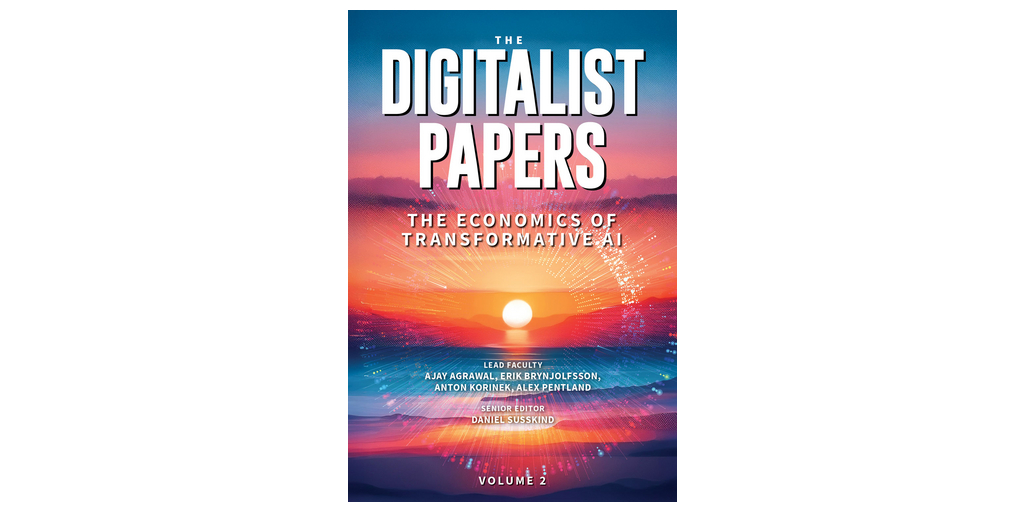
The Stanford Digital Economy Lab's latest publication explores the economic implications of transformative AI technologies. This volume delves into how AI is reshaping industries, influencing labor markets, and driving economic growth. By providing empirical data and theoretical insights, the report aims to inform policymakers and business leaders on the economic strategies needed to harness AI's potential effectively.
Stanford Study Sends Shockwaves with AI Hackers Close to Human-Level Mastery

In a startling revelation, Stanford's research indicates AI's rapid advancement in cybersecurity, nearing human-level hacking capabilities. This development not only challenges traditional security paradigms but also prompts a reevaluation of AI's role in digital defense strategies. The study's findings are a significant contribution to the ongoing dialogue about AI's potential to transform cybersecurity measures.
Summary / Insights
The recent developments in AI, particularly those emerging from Stanford University, underscore AI's transformative potential across various domains. From influencing geopolitical strategies to revolutionizing cybersecurity, AI's role is both expansive and complex. The balanced integration of innovation with ethical and regulatory frameworks will be pivotal in shaping AI's future, ensuring it serves as a tool for progress rather than a source of conflict.

Resources
Sources and references cited in this article.